Adv. Immunology 2023
Peers Alley Media,Canada


Primary goal of attending an international conference is to present a paper to the experts and influencers. It gives you a platform to exchange your interest-related thoughts, paving the way for possible future collaborations.
Use this platform to build connections with an elite group of wise men and women to enhance your intellect. Young entrepreneurs, this is a great platform to connect with your peers.
Knowledge is Power. Knowledge teaches skills. Skills define excellence. Use this platform to become cognizant of your interest area to achieve excellence in your domain.
Attending a conference give you opportunity to get your abstract or paper published in conference proceedings
Meet and greet a myriad of industry professionals and academia experts with common interest. Every meal will be an opportunity to meet and interact with fellow researchers, attendees and experts.
Expand your professional competency and learn useful tips and tricks of your industry in our skill-building workshops.
Explore insights on recent advancements, new equipment, new techniques, and unpublished data, learn from thought-leaders and get to network with a great line up of speakers.
Our exhibits floor offers the attendees with a dynamic display of the latest products with cutting-edge technology.
Investing in you is the best investment. Peers Alley conferences give the patrons with a feeling of the serendipity of real learning, skill development in strategic workshops, networking and start-up opportunities, thus, is value for money.
Attending the conference gives you much needed break from your regular duties. It also allows you to explore new cities, culture and meet new people. You will feel energized and rejuvenated to return to the university and continue with the job after attending the conference.
Conferences are vital forum for academic researchers and business leaders. "It involves multiple presentations, interactive breakout sessions, hands-on product demonstrations and unrivalled networking opportunities".
We have invited some of the world's most sought-after keynote speakers, experts, brand ambassadors, and industry leaders to share their thoughts and ideas with our conference guests.
Register Now
Theme: Advancing Neurological Care: Innovations in Early Detection and Precision Treatment for Nervous System Disorders
Neurology & Neurological Disorders Proceedings 



Dear Esteemed Participants and Distinguished Colleagues,
It is with great pleasure that we welcome you to the 8th Global Conclave on Neurology and Neurological Disorders" (NEURO Conclave 2027) taking place on June 21–22, 2027 in Singapore. This conference brings together world-renowned experts and thought leaders in neurology, I really found the conference both enriching and insightful., providing an excellent platform for collaboration and knowledge exchange.Read more...

Dear Valued Colleagues and Friends,
Translating purpose and mindset into positive impact through shared vision, compassion, and collaborative spirit established at Neuro Conclave 2026 in Singapore—where neurologists, clinicians, researchers, educators, advocates, public health leaders, and policymakers from around the world came together to advance evidence-based care, promote equity, foster innovation, and combat stigma—we are delighted to invite you to the 8th Global Conclave on Neurology and Neurological Disorders (Neuro Conclave 2027), to be held on June 21–22, 2027 in Singapore. Read more...

Dear Esteemed Participants and Distinguished Colleagues,
Welcome to NEURO Conclave 2027!
It was a pleasure to participate in NEURO Conclave 2026 and to meet colleagues from many different countries, all working to improve our understanding of neurological and neurodevelopmental conditions. What I appreciated most was the opportunity to exchange knowledge, discuss new ideas, and build international connections across research and clinical practice. I left the conference inspired by the diversity of perspectives and the openness to collaboration. Read more...

BioHealth Pain Management, USA

Psychoanalytic Institutes, USA

NeoNeuron LLC, USA

Yale University School of Medicine, USA

Peers Alley Media,Canada

Peers Alley Media,Canada
Peers Alley Media ,Canada

Peers Alley Media,Canada
Peers Alley Media,Canada

Peers Alley Media,Canada

Peers Alley Media

Peers Alley Media,Canada

Peers Alley Media,Canada

,Canada

,Canada

Peers Alley Media,Canada
Neurology is a field in medicine which deals with the study of the Nervous system and treatment of the respective disorders. The concerned areas of Neurology are the central nervous system (CNS), peripheral nervous system (PNS), brain, blood vessels, and spinal cord. Neurology is concerned to diagnose and treat the disorders of these parts of humans. The nervous system is considered a complex system that regulates body activities. Neurology count on the scientific study of the nervous system, Neuroscience.
A physician who practices Neurology or doctor specialized in Neurology is called Neurologists. They are trained to interpret or investigate and treat the disorders related to the network of nerve cells and fibers or neurological disorders. Neurologists start with a medical history and then with the neurological examination which encompasses the evaluation of cranial nerves, sensation, cognitive function, motor strength, reflexes, coordination, and movement. They treat disorders like:
Neurology is connected to Psychiatry and Oncology. Even there is a very thin line between Neurology and Psychiatry. The discipline of neurology is widening day by day because of the advancements of Neuroscience and other Medical specialties, which is helping to tackle the neurological disorders and other diseases.
Sub-tracks:
Market Analysis: The neurology market is set for robust growth from 2025 to 2030, driven by the rising prevalence of neurological disorders, continuous technological advancements, and increased healthcare investments. The overall neurology market is projected to expand with CAGRs ranging from 7.1% (2024-2029) to 7.72% (2025-2034). Significant growth is also anticipated in key segments: neurology clinical trials (6.39% to 7.10% CAGR), neurology devices (4.86% to 8.90% CAGR), and particularly high growth in neurotechnology (13.23% to 13.53% CAGR) due to innovations like brain-computer interfaces. Digital health in neurology stands out with a substantial projected CAGR of 20.5% (2024-2030). Other growing areas include interventional neurology (7.80% CAGR), neurological disorder diagnostics and treatment (5.68% CAGR, reaching US$18.903 billion by 2030), and neurological biomarkers (12.89% CAGR). These diverse growth rates collectively highlight the dynamic evolution of the neurology sector as it addresses the rising global burden of neurological conditions.
Tags
Seizures Conferences
Neurology Conferences 2026 USA
Neurological Disorders Conferences
Sleep Disorders Conferences
Mental Health Conferences
Peers Alley
Headache Conferences
Euro Neurology Conferences
Neurology Conferences 2027 Asia
Peers Alley Media
Psychiatry Conferences 2027
Psychology Conferences
Peers Alley Media Canada
Mental Health Conferences 2027
Neurology Conferences 2027 UK
Neuroscience is to address and research the function and structure of the nerve cells and fibers which comprises to form of the nervous system. It is a multifaceted and rapidly growing field of biology that looks into the function and structure of the brain and nervous system.
Neuroscience is a sphere where we study the combination of psychology and biology to the extent to understand the physical connection, psychological changes and study of neurological conditions with the brain, that how the brain perceives these changes and connections.
The sphere of Neuroscience encompasses cellular and molecular biology, development, evolution, biochemistry, physiology, anatomy and medical specialty of the nervous system, computational neuroscience, behavioral neuroscience, and cognitive neuroscience.
Neuroscience works closely with the field of engineering, linguistics, mathematics, medicine, psychology, physiology, computer science, and chemistry. Neuroscientists are the researchers who specialize in this branch of biology, Neuroscience, which deals with molecular, biochemistry, physiology and anatomy of the nervous system. They do their research by carrying out and framing the experiments to understand the function of the nervous system and its structure, especially associated with behavior and learning.
Neuroscience and its scope has been expanded exponentially, a consequence of new research being done in this field, from molecular and cellular studies of neurons and to do diagnostic imaging and imaging of brain responses to various changes. Neuroscience is contributing a lot to Neurology, Neurosurgery, Psychiatry and other Neuro-related disciplines.
Sub-tracks:
Market Analysis: The Neuroscience market is set for significant growth from 2025 to 2030, propelled by the rising prevalence of brain disorders, ongoing neurotechnology advancements, increased R&D, and greater government funding. While overall market CAGRs vary (3.9% to 10.34%), key segments show strong expansion. Neuroscience Clinical Trials are projected for 6.39% to 7.10% CAGRs, while the Neurotechnology market is a high-growth area, with CAGRs between 12.2% (for devices) and 14.4%, driven by innovations like brain-computer interfaces. Notably, the Digital Neuro Biomarkers market is poised for explosive growth at a 25.7% CAGR. These diverse growth rates underscore the dynamic and expanding nature of the neuroscience sector as it develops solutions for neurological conditions.
Tags
Neurology Conferences 2026 USA
Psychiatry Conferences 2027
Neurological Disorders Conferences
Epilepsy Conferences
Mental Health Conferences
Peers Alley
Neurology Conferences 2027
Peers Alley Media Canada
Sleep Disorders Conferences
Alzheimer's Disease Conferences
Neurology Conferences 2027 USA
Neurophysiology Conferences
CNS Conferences
Cerebrovascular Disease Conferences
Euro Neurology Conferences
Neuropsychiatry is an integral part of medicine and science which deals with mental disorders related to the nervous system. Neuropsychiatry is to study neurology and psychiatry in an integrated form. Neuropsychiatry is growing far from other fields of psychiatry and it is also interconnected with behavioral neurology and neuropsychology.
Neuropsychiatry helps the neuroscience field and is helping to give a better understanding of the psychiatry and neurological disorders in order to treat them in a far better way.
Neuropsychiatrists are the physician who has clinical experience and experience in psychiatry with knowledge of neurological disorders. Neuropsychiatrists primarily treat patients suffering from brain malfunctions. Neuropsychiatrists treats these condition with the help of some tools: functional magnetic resonance tomography (fMRI), clinical neurogenetics, magnetic resonance angiography, neuroimaging, electroencephalography, and neural network theory.
Neuropsychiatry addresses these various conditions under it: patients of Parkinson's with delusion and hallucinations, obsessive-compulsive disorder, schizophrenia, and other conditions as well.
Sub-tracks:
Market Analysis: The Neuropsychiatry market is poised for significant expansion from 2025 to 2030, driven by the increasing burden of brain disorders, continuous advancements in neurotechnology and diagnostics, rising R&D spending, and growing government support. While the overall market CAGRs generally range from 3.9% to 10.34%, key sub-segments like Neurotechnology (12.2% to 14.4% CAGR) and Digital Neuro Biomarkers (25.7% CAGR, including Psychiatric Digital Biomarkers at 24.4% CAGR) show much higher growth. This highlights a dynamic neuropsychiatry sector developing innovative solutions for neurological and psychiatric conditions, with a notable shift towards personalized and remote care.
Tags
Neurology Conferences 2026 USA
Euro Neurology Conferences
Peers Alley Media
Neurology Conferences 2027
Neuroscience Conferences 2026 Dubai
Neurology Conferences 2026
Epilepsy Conferences
Parkinson Disease Conferences
Neurology Conferences 2027 Asia
Neurology Conferences 2027 UK
Cerebrovascular Disease Conferences
Neurophysiology Conferences
Neurology Conferences
Stroke Conferences
Spinal Disorders Conferences
The central nervous system or CNS comprises the brain and spinal cord. It is part of our nervous system and it is termed as central because it is a center that receives information, coordinates it and influences the activity of the whole body. It controls our breathing, thoughts, heart rate, emotions, movement, body temperature, the release of some hormones and other parts as well.
The CNS composed of white and gray matter. This can be found in the brain which is encased by the skull. The outer cortex of the brain contains gray matter and white matter in the tract. White matter works as a connector which connects the various location of nerve cell bodies and carries nerve impulses between neuron. White matter consists of myelinated axons. Gray matter is made of neuropil, neuronal cell bodies, glial cells, synapses, and capillaries. The difference between gray matter and white matter is that the latter contains few myelinated axons and numerous cell bodies, while white matter contains few cell bodies and more long-range myelinated axon tracts.
There are various CNS diseases and conditions. CNS infection causes encephalitis and poliomyelitis, neurological disorders like ADHD, autism, Alzheimer's disease, Parkinson's disease, Multiple Sclerosis (MS), and other, genetic disorders as Krabbe's disease and Huntington's disease.
Sub-tracks:
Market Analysis: The global Central Nervous System (CNS) market is set for substantial growth between 2025 and 2030, with projections indicating a reach of USD 254.6 billion by 2030 at a CAGR of 7.7%. This expansion is primarily driven by the escalating global burden of neurological and mental health disorders, a rapidly aging population, and continuous advancements in diagnostics, therapeutics, and drug delivery systems. Key growth areas include CNS drugs (10.12% CAGR) and CNS biomarkers (7.67% CAGR), with neurodegenerative diseases and anticonvulsants both showing high growth at an 11.5% CAGR. While North America held the largest market share in 2024, Asia Pacific is anticipated to be the fastest-growing region with an 11.1% CAGR. The market's momentum is further supported by significant R&D investments, the integration of digital health solutions, and increasing awareness of CNS disorders. Despite this positive outlook, challenges such as the high cost and complexity of drug development, stringent regulatory standards, and reimbursement hurdles persist.
Tags
Neurology Conferences
Neuroscience Conferences 2026 Dubai
Peers Alley
Neurology Conferences 2026
Neurology Conferences 2027 Europe
Clinical Neurology Conferences
Neurophysiology Conferences
Peers Alley Media Canada
Mental Health Conferences
Alzheimer's Disease Conferences
Epilepsy Conferences
Peers Alley Media
Neurology Conferences 2027 UK
Neurology Conferences 2027 Asia
Peers Alley Conferences
Pediatric Neurology or Child Neurology covers the abnormalities of CNS, PNS, brain and spinal cord of the children. The disorders related to above in infants and adolescents are considered under this area of Neurology.
Some conditions under Pediatric Neurology or Child Neurology are:
Child neurologists are one who specializes in Child neurology to diagnose and treat various disorders that occurs in infants, children, and adolescents.
Sub-tracks:
Market Analysis: The Pediatric Neurology market anticipates significant growth from 2025-2030, driven by the increasing prevalence of pediatric neurological disorders, earlier diagnosis, and improved healthcare. The global pediatric neurology device market alone is projected to reach ~$3.34 billion by 2029 (5.7% CAGR), with neurostimulators being a key growth area. The broader Neurology Clinical Trials Market (including pediatric components) is also forecast to reach USD 8.81 billion by 2030 (7.10% CAGR), led by Asia-Pacific. This expansion is fueled by rising incidence of conditions like epilepsy and autism, advancements in diagnostics and therapies, increased R&D, and government support. Challenges include high treatment costs, stringent regulations, and a shortage of specialized neurologists.
Tags
Brain Cancer Conferences
Neurological Disorders Conferences
Mental Health Conferences
Cerebrovascular Disease Conferences
Epilepsy Conferences
Parkinson Disease Conferences
Euro Neurology Conferences
Neurodegenerative Disorders Conferences
Psychiatry Conferences
Child Psychology Conferences
Peers Alley Media
CNS Conferences
Neurology Conferences 2026
Peers Alley
Muscular Dystrophy Conferences
Neurophysiology is defined as the study of physiology and function of the nervous system. It is to study the functional properties of nerves, glia, and neural networks. Neurophysiology is a part of neuroscience and physiology. Electrophysiological or molecular biological tools are often used in Neurophysiology. Some other researchers define neurophysiology as a study of brain cells.
It is related to mathematical neuroscience, neurochemistry, electrophysiology, neuroanatomy, clinical neuroscience, and biophysics. Neurophysiology uses biological techniques for neurophysiological researches.
Sub-tracks:
Market Analysis: The neurophysiology market is poised for significant growth between 2025 and 2030, driven by the increasing global prevalence of neurological and neuromuscular disorders, continuous advancements in diagnostic and therapeutic devices, and rising investments in neuroscience research. While an exact overall CAGR for the entire neurophysiology market isn't consistently available, related segments show strong growth: neurophysiology electrodes are projected for a 7% CAGR (2025-2033), and the broader Neurology Devices Market at an 8.90% CAGR (2025-2030).
Tags
Peers Alley
Mental Health Conferences
Neurosurgery Conferences 2026
Spinal Disorders Conferences
Parkinson Disease Conferences
Neurology Conferences Europe
Neurology Conferences 2027
Neurodegenerative Disorders Conferences
Cerebrovascular Disease Conferences
Mental Health Conferences 2027
Neurology Conferences 2027 UK
Stroke Conferences
Neurological Disorders Conferences
Epilepsy Conferences
Psychiatry Conferences 2027
Neuroimmunology is the study of links between neuroscience and immunology both fields of medicine. It deals with relation to the central nervous system or nervous system with immunology. The term Neuroimmunology is coined in the 1960s. In various Neurological disorders, neuroinflammation and neuroimmune activation have played a major role in understanding the etiology of these disorders.
Neuroimmunologists are the individuals who are supposed to understand these two complex disciplines and draw various conclusions to find the exact causes of the change happening during various neurological disorders, neurological disease, or neurological injury. This research area is rapidly developing and providing us the basic and complex both information to advance the researches of Neurology and Neuroscience to treat neurological disorders in a better way to save many lives.
Sub-tracks:
Market Analysis: The neuroimmunology market is projected to grow with CAGRs between 6.5% and 9.7% from 2025-2030, driven by the rising prevalence of disorders like Multiple Sclerosis, Alzheimer's, and Parkinson's. This growth is further propelled by advancements in R&D, leading to novel therapies such as monoclonal antibodies, gene, and cell therapies. Increased investment from pharmaceutical companies and venture capitalists, alongside supportive regulatory initiatives, also accelerates the development and market entry of new drugs. Finally, improved diagnostic tools, particularly the rapid growth of digital neuro biomarkers, contribute significantly by enabling earlier and more accurate disease detection, which boosts treatment demand.
Tags
Peers Alley Conferences
Parkinson Disease Conferences
Psychiatry Conferences
Neurology Conferences 2027 Japan
Neurodegenerative Disorders Conferences
Dementia Conferences
Seizures Conferences
Neurology Conferences Europe
Neurosurgery Conferences 2026
Psychiatry Conferences
Mental Health Conferences
Brain Cancer Conferences
Headache Conferences
Sleep Disorders Conferences
Peers Alley Media Canada
Neuropathology, being an integral part of anatomic pathology, is to study the nervous system diseases. This study can be in smaller surgical biopsies or can be studied as whole-body autopsies. Neuropathology has been involved in and playing a key role in characterizing the pathogenesis of neurological disorders.
Neuropathology has played a key role in providing major insights into the pathophysiology of Multiple Sclerosis and neuropathology of neurodegenerative disorders in an adult include nonspecific and disease-specific changes.
Neuropathologists are the physician having specialization in autonomic pathology but they have undergone training of neuropathology for an additional two years. Neuropathologists can handle autonomic pathology, autonomic pathology testing on nervous system tissues as well as neurological or neuromuscular pathology.
Sub-tracks:
Market Analysis: While precise "Neuropathology CAGR 2025-2030" figures aren't readily available for a standalone market, its growth can be estimated by looking at related healthcare sectors. Broader neurology markets, like Neurology Monitoring and Clinical Trials, are projected to grow at around 6% to 6.4% CAGR. However, neuropathology is set to significantly benefit from rapid technological advancements. The Neurology Devices Market expects 7.2% to 8.9% CAGR, Neurotechnology a robust 13.53% CAGR, and AI in Pathology an impressive 26.5% CAGR. The Biomarkers Market, crucial for early detection, is also forecast for a strong 10.8% CAGR. Given these trends, the inferred CAGR for the neuropathology market from 2025-2030 likely falls within the 6% to 15% range. This growth is primarily driven by the increasing prevalence of neurological disorders, ongoing innovations in diagnostics (especially AI and molecular tools), the push for personalized medicine, increased R&D, and the global aging population.
Tags
Neurology Conferences 2027 Asia
Euro Neurology Conferences
Neurology Conferences 2027 UK
Neurology Conferences 2027 Japan
Psychiatry Conferences
Sleep Disorders Conferences
Neurological Disorders Conferences
Peers Alley Media
Stroke Conferences
Neuroscience Conferences 2026 Dubai
Peers Alley
Child Psychology Conferences
Spinal Disorders Conferences
Mental Health Conferences
CNS Conferences
Neurodegenerative disease is the group of condition or disease which mainly affect the neurons of the brain. The neurons are the building block of the brain and spinal cords or nervous system. Neurons are irreplaceable as they cannot replicate or reproduce after suffering damage which eventually death of the neuron.
Neurodegeneration is a loss in the structure and function of neurons.
Aging is the main cause of neurodegenerative disease. Neurodegenerative disease progress with age as the neurons become less functional. Oxidative stress, mitochondrial DNA mutation, and other factors lead a human body to age. Genetics, protein folding, DNA damage, mitochondrial dysfunction, programmed cell death, protein degradation pathways and other leads to the mechanism of neurodegenerative diseases. The cure of neurodegenerative disease is not yet discovered as causes of most of the cases are still a mystery.
Sub-tracks:
Market Analysis: The Neurodegenerative Disease and Neurodegeneration market is set for substantial growth from 2025-2030, driven by an aging global population, rising disease prevalence, and significant advancements in diagnostics and therapeutics. The overall Neurodegenerative Drugs Market is projected to grow with a CAGR of 5.0% to 7.66%, while the Diagnostics segment anticipates a 7.52% CAGR. Notably, the specialized Neurodegenerative Diseases - Exosomes market shows exceptionally high potential, with a projected 26.8% CAGR.
Tags
Euro Neurology Conferences
Psychiatry Conferences
Peers Alley Media
Child Psychology Conferences
Sleep Disorders Conferences
Peers Alley Conferences
Psychiatry Conferences 2027
Seizures Conferences
Peers Alley Media Canada
Alzheimer's Disease Conferences
Spinal Disorders Conferences
Epilepsy Conferences
Mental Health Conferences
Neurology Conferences 2027 Asia
Neurosurgery Conferences 2026
Neurological disorders are defined as disorders that affect the brain, spine and nerves throughout the human body. It is either associated with CNS or PNS or both. Structural, biochemical or electrical abnormalities can cause a wide range of neurological problems which eventually might lead to different types of mild to severe neurological disorders.
Neurological disorders have different causes and symptoms. Most of them start or emerge during the early stage of life or maybe diagnosed at birth. The symptoms of Neurological disorders vary in each disorder. Congenital causes, gene abnormalities, metabolic disorders, prenatal causes, nutritional deficiencies, complications during childbirth, acquired causes, immune disorders, traumatic brain injury, and toxins are some of the causes of Neurological disorders.
Some neurological disorders are:
Parkinson's disease
Amyotrophic lateral sclerosis or ALS
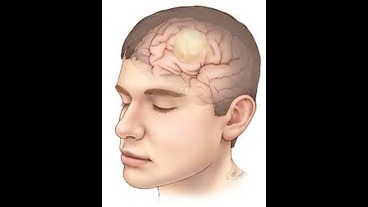
Brain tumors
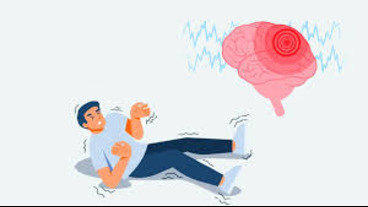
Epilepsy
Stroke
Peripheral Neuropathy
Key treatment methods of Neurological disorders:
Neuroimaging techniques to diagnose
Brain mapping
Cognitive therapy treatment
Pain management
Physiotherapy
Deep brain stimulation
There are various other methods to treat these lifelong neurological disorders.
Sub-tracks:
Market Analysis: The Neurological Disorders market is set for significant growth from 2025-2030, driven by rising global prevalence, an aging population, and continuous advancements in diagnostics and therapeutics. The Neurological Disorder Diagnostics Treatment Market alone is projected to grow at a CAGR of about 5.68%, reaching an estimated US$18.903 billion by 2030. This expansion is further bolstered by growth in related sectors like the Neuro Navigation Systems Market (6.04% CAGR), Neurology Devices Market (7.2% to 8.9% CAGR), and the broader Neurotechnology Market (13.53% CAGR). Additionally, the Neurological Biomarkers Market is estimated at around a 10% CAGR, while the Central Nervous System (CNS) Therapeutics Market is projected for a significant 10.46% CAGR (2025-2035). This strong momentum is broadly driven by ongoing breakthroughs in neuroscience, the integration of AI-enabled technologies, increasing demand for enhanced treatment options, and rising public and private investment in neurological research.
Tags
Cerebrovascular Disease Conferences
Neurology Conferences Europe
CNS Conferences
Dementia Conferences
Parkinson Disease Conferences
Neurosurgery Conferences 2026
Clinical Neurology Conferences
Peers Alley Media
Child Psychology Conferences
Psychiatry Conferences 2027
Headache Conferences
Peers Alley
Psychiatry Conferences
Peers Alley Media Canada
Neurology Conferences 2027 USA
The group of condition which changes or alters or hinders the normal pattern of sleep comes under Sleep disorders. This disorder can affect our overall health and make us prone to stress and anxiety. There are various causes for sleep disorders like medical conditions (heart disease, lung disease, and nerve disorder), mental disorder, genetics, not enough sleep, stress, anxiety, irregular sleep, medicines, and aging. Sometimes the reason for a sleep disorder is unknown as these disorders are very complex.
Depression, lack of concentration, fatigue in the daytime, difficulty in sleeping, and anxiety are the symptoms of sleep disorders. Some types of sleep disorders are insomnia, parasomnias, sleep apnea, and narcolepsy. For the diagnosis of sleep disorders, the doctor goes through the patient's medical history and some tests. These tests include genetic blood testing, electroencephalogram, polysomnography, breathing rate, and eye movements. Sleep disorders can be treated by good sleeping habits, medical treatments, by changing lifestyle, and relaxation techniques.
Sub-tracks:
Market Analysis: The global Sleep Disorder market is set for substantial growth from 2025 to 2030, projected to reach USD 32.92 billion by 2030 with a 7.12% CAGR. This expansion is fueled by rising sleep disorder prevalence, an aging population, increased awareness, and ongoing advancements in diagnostics and therapeutics. Key drivers include the growing burden of insomnia and obstructive sleep apnea (OSA), improved screening, novel pharmacological treatments (like dual-orexin receptor antagonists), and continuous innovation in device-based and digital solutions.
Specific segments also show strong growth: Sleep Apnea Devices Market (6.7-7.33% CAGR), Insomnia Treatment Market (4.2-5.4% CAGR), and Narcolepsy Therapeutics Market (7.45-8.04% CAGR), with histamine H3 antagonists specifically at 13.83% CAGR. The Sleep Software Market (9.05-10.1% CAGR) and Online Pharmacies for sleep disorder treatments (10.42% CAGR) further contribute to this robust market momentum.
Tags
Peers Alley Media
Neurology Conferences 2027 Asia
Peers Alley
Psychiatry Conferences
Neuroscience Conferences 2026 Dubai
Dementia Conferences
Muscular Dystrophy Conferences
Neurology Conferences 2027 USA
Euro Neurology Conferences
Brain Cancer Conferences
Seizures Conferences
Child Psychology Conferences
Sleep Disorders Conferences
Neurology Conferences 2027 UK
Neurology Conferences 2026
Movement disorders, a neurological condition, in which an abnormal increase or reduction in movement is observed, which is voluntary or involuntary. Movement disorder is divided into two categories:
Hyperkinetic movement disorders: It is the involuntary movement which hinders the normal movement of motor activity of the body. It refers to repetitive movement or dyskinesia.
Hypokinetic movement disorders: It is the slow motion of the body parts or motor activity. As it refers to hypokinesia - reduced amplitude of movement, akinesia – lack of movement, rigidity, and bradykinesia – slow movement.
Some movement disorders are:
Treatment of these disorders depends on movement disorders.
Sub-tracks:
Market Analysis: The Movement Disorders market is projected for substantial growth between 2025 and 2030, driven by increasing global prevalence, an aging population, and continuous advancements in diagnostics and therapeutics. The overall market is estimated to reach $11,067 million by 2030, reflecting a CAGR of 7.90% during the 2024-2030 period.Within this, individual segments show varied growth. The Parkinson's Disease Treatment Market is expected to grow at a CAGR of 3.58% to 7.45%. The Huntington's Disease Treatment Market is poised for significant expansion, with CAGRs broadly ranging from 7.8% to an impressive 23.8%, fueled by substantial R&D in disease-modifying therapies like gene therapies. The Dystonia Treatment Market is projected for a CAGR of 5.5% to 5.81%, with cervical dystonia specifically at 6.7% CAGR, driven by botulinum toxin injections.
For Essential Tremor Treatment, the overall market is forecast for a 5.3% CAGR, but Deep Brain Stimulation Devices for this condition show a robust 10.3% CAGR. The Restless Legs Syndrome (RLS) Treatment Market is estimated to grow at approximately 5.21% CAGR, potentially reaching up to 7%. This robust market momentum is supported by ongoing advancements in medical technology, including AI-based diagnostics and wearables, increased R&D, and rising awareness leading to earlier diagnoses.
Tags
Parkinson Disease Conferences
Clinical Neurology Conferences
Neurology Conferences Europe
Neurology Conferences 2027 Europe
Mental Health Conferences
Neurology Conferences 2026
Sleep Disorders Conferences
Child Psychology Conferences
Neurodegenerative Disorders Conferences
Brain Cancer Conferences
Psychiatry Conferences
Peers Alley Conferences
Cerebrovascular Disease Conferences
Neurology Conferences 2027
Neurological Disorders Conferences
Parkinson's disease, a movement disorder, is a progressive neurological disorder, the condition progresses over time. In Parkinson's disease, the cells which are responsible to secrete dopamine begin to die. Dopamine is responsible for the smooth functioning of the muscle of the body. Dopamine is secreted by the cells of the substantia nigra, a part of the brain.
Parkinson's disease symptoms including the change in voice, slurry voice, tremor, slow movements, anosmia, balancing problem, stiffness of arms, legs and trunks, facial expression start to change, and loss of sense of smell. These symptoms are due to a decrease in levels of dopamine leading to abnormal brain activity.
The cause which leads to low levels of dopamine is not yet clear. But there are many factors which lead to Parkinson's disease, maybe genetic factors and environmental causes. As there is no specific test to diagnose Parkinson's disease, a dopamine transporter test scan can be used.
Sub-tracks:
Market Analysis: The Parkinson's Disease market is projected to experience a Compound Annual Growth Rate (CAGR) of approximately 6.66% between 2025 and 2030, though forecasts vary among research reports. This variance stems from differing market scopes, with some analyses focusing solely on drug markets (e.g., Mordor Intelligence at 3.58%) while others include broader diagnosis and treatment (e.g., TowardsHealthcare.com at 8.9%). Other projections for the market range from 5.04% (Grand View Research) to over 8% (Fortune Business Insights, Global Market Insights Inc.). These figures are forecasts, and their accuracy can be influenced by methodology, included market segments, and evolving market dynamics.
Tags
Dementia Conferences
Epilepsy Conferences
Parkinson Disease Conferences
Neurology Conferences 2027 UK
Mental Health Conferences 2027
Seizures Conferences
Neurology Conferences 2027 Asia
Neuroscience Conferences 2026 Dubai
Clinical Neurology Conferences
Neurodegenerative Disorders Conferences
Psychiatry Conferences
Peers Alley Conferences
Cerebrovascular Disease Conferences
Headache Conferences
CNS Conferences
Neuromuscular disease encompasses various disease and disorders which affects the nerves that control muscle function and neuromuscular system. Neuromuscular disorders can generate difficulties with the nerves carrying information back to the brain, nerves that control voluntary muscles, and transmission between nerve and muscles. These disorders can make the muscles weak and may lose functioning as well.
Some signs and symptoms of neurological disorders or neurological disease are muscle loss, muscle weakness, double vision, trouble breathing and swallowing, numbness, balancing problem, and movement issues. Signs and symptoms for some of the neurological disorders can be visible in the infant stage as well. In general, there is no cure for these disorders. But prevention, prognosis, and management of these diseases vary according to the severity and types of these disorders.
Sub-tracks:
Market Analysis: The Neuromuscular Disease Therapeutics Market is set for substantial growth between 2025 and 2030, with various reports projecting robust Compound Annual Growth Rates (CAGRs). General market forecasts hover around 11-15%, with MarketResearch.com predicting a 15.0% CAGR and Technavio a 14.6% CAGR. Specialized segments anticipate even higher growth, such as the Duchenne Muscular Dystrophy (DMD) Treatment Market at 19.13% (Mordor Intelligence) and the market for Zilbrysq (zilucoplan) for generalized myasthenia gravis, which could reach an impressive 28.39% CAGR (Grand View Research). This vigorous expansion is primarily driven by increasing diagnosis rates, breakthroughs in gene therapies and other novel treatments, a strong pipeline of developing drugs, and supportive regulatory environments.
Tags
Parkinson Disease Conferences
Cerebrovascular Disease Conferences
Neurology Conferences 2026
Peers Alley Media
Neurology Conferences 2027
Neurology Conferences 2026 USA
Neurology Conferences 2027 Europe
Euro Neurology Conferences
Neurophysiology Conferences
Headache Conferences
Psychiatry Conferences 2027
Neurology Conferences
Neurosurgery Conferences 2026
Epilepsy Conferences
Dementia Conferences
Speech is the process of producing specific sounds that convey meaning to the listener. A speech disorder refers to the conditions in which an individual has problems in creating or forming the speech sounds needed to communicate with others. The act of speaking requires the specific coordination of multiple body parts, including the brain, neck, chest, and abdomen.
Speech disorders can affects both adults and children. Many children will experience a temporary delay in speech and language development. Most will eventually catch up. Others will continue to have difficulty with communication development.
Causes of speech disorders include:
Brain damage due to a stroke or head injury
Muscle weakness
Damaged vocal cords
A degenerative diseases
Dementia
Cancer that affects the mouth or throat
Autism
Down syndrome
Hearing loss
Sub-track
Market Analysis: The Speech Disorders market, primarily driven by speech therapy services, is set for significant growth from 2025 to 2030, with a projected CAGR generally ranging from 5.93% to 9.21% for the overall therapy services market. However, technology-focused segments show even greater potential; for example, the global speech and voice recognition market could see a remarkable 27.6% CAGR, while speech analytics is projected at 14.20% CAGR. This robust expansion is fueled by an increasing prevalence of speech disorders, greater public awareness, and key technological advancements, alongside an aging global population and supportive government initiatives.
Tags
Neuroscience Conferences 2026 Dubai
Headache Conferences
Neurology Conferences 2026 USA
Parkinson Disease Conferences
Neurology Conferences 2027 USA
Neurodegenerative Disorders Conferences
Neurology Conferences 2027 Japan
Peers Alley Media
Psychology Conferences
Peers Alley Media Canada
Spinal Disorders Conferences
Peers Alley
Euro Neurology Conferences
Neurology Conferences
Dementia Conferences
The damage of the protective covering (myelin sheath) that surrounds nerve fibers in brain, optic nerves and spinal cord leads to development of demyelinating disorders. The damaged myelin sheath makes the nerve impulses slow or even stop, causing neurological problems. Demyelination causes neurological deficits, such as vision changes, weakness, altered sensation, and behavioral or cognitive problems. Demyelination can occur at any age.
Symptoms of demyelinating diseases include
Loss of vision
Numbness or tingling of upper or lower limbs
Weakness of the arms or legs
Poor coordination/gait problem
Trouble walking
Difficulty in swallowing
Slurred speech
Deceased bowel or bladder control
Impaired memory
Mood or behavioral changes
Genetic mutations, infectious agents, autoimmune reactions, Vitamin B12 deficiency and other unknown factors results in dysmyelination.
Sub-track
Market Analysis: The Demyelinating Disorders market is experiencing varied Compound Annual Growth Rates (CAGRs) from 2025 to 2030, depending on the specific condition and market analysis. Projections for the overall Demyelinating Diseases Therapeutics Market range from 6.3% (2025-2034) to 10.7% (2024-2030). More specifically, the Chronic Inflammatory Demyelinating Polyneuropathy (CIDP) Market is expected to grow between 5.83% (reaching $3.50 billion by 2030 from $2.64 billion in 2025) and 7.50% (2025-2032). Furthermore, the Hereditary Central Nervous System Demyelinating Diseases Market is forecasted to see a 9.71% CAGR from 2025 to 2035. Keep in mind that these figures come from different market reports and may use varying methodologies, so always consult original sources for complete details.
Tags
Neurology Conferences 2027 UK
Peers Alley Media Canada
Neurology Conferences 2027 USA
Cerebrovascular Disease Conferences
Mental Health Conferences 2027
Peers Alley Conferences
Neurology Conferences 2026 USA
Dementia Conferences
Epilepsy Conferences
Psychiatry Conferences
Psychology Conferences
Peers Alley Media
Psychiatry Conferences 2027
Neurology Conferences
Mental Health Conferences
Cerebrovascular disorder refers to the condition in which blood flow in the brain is blocked or limited for temporarily or permanently. It includes all disorders in which an area of the brain is affected by ischemia or bleeding. Restrictions in blood flow may occur from vessel narrowing clot formation, blockage or hemorrhage. Cerebrovascular disease can develop from a variety of causes such as atherosclerosis, embolic arterial blood clot, cerebral venous thrombosis, blood vessel damage, and hypertension. There are also many less common causes of cerebrovascular disease, including those that are congenital or idiopathic and include CADASIL, aneurysms, amyloid angiopathy, arteriovenous malformations, fistulas, and arterial dissections.
Common symptoms include:
A severe and sudden headache
Hemiplegia
Hemiparesis
Confusion
Slurred speech
Vision loss on one side
loss of balance
Loss of conciousness
Sub-track
Market Analysis: The Cerebrovascular Disorders market is poised for substantial growth from 2025-2030, exhibiting varied CAGRs across its segments. The overall market may experience a 6.7% CAGR, potentially reaching $38.49 billion by 2033, with the broader treatment market projected at 5.83%, aiming for $7.60 billion by 2030. Key areas like Cerebral Infarction Treatment anticipate a 7.4% CAGR (to $20.51 billion by 2030) and its drug market an 8.2% CAGR (2025-2037). Neurovascular Devices expect a 5.75% CAGR (reaching $10.28 billion by 2030), while Interventional Neurology Devices are projected for a 6.65% CAGR (to $4.66 billion by 2030). Diagnostic segments also show robust expansion, with Acute Ischemic Stroke Diagnosis at 6.81% CAGR (to $5.59 billion by 2030) and Stroke Diagnostics and Therapeutics at 7.2% CAGR (to $76.23 billion by 2034). These diverse projections highlight the dynamic nature of this vital healthcare sector.
Tags
Neurology Conferences 2026 USA
Neurodegenerative Disorders Conferences
Child Psychology Conferences
Headache Conferences
Stroke Conferences
Neurology Conferences 2027 USA
Peers Alley Media Canada
Cerebrovascular Disease Conferences
Neurology Conferences 2026
Neurology Conferences Europe
Seizures Conferences
Psychiatry Conferences 2027
Neurology Conferences 2027 Asia
Peers Alley
CNS Conferences
Immune system protects the human body from disease and infection. However incase of autoimmune disease, immune system attacks healthy cells in the body by mistake. There are many systemic disorders with possible involvement of the nervous system with presumed inflammatory and autoimmune pathomechanisms. Abnormal inflammatory response is closely associated with in autoimmune diseases. These inflammations cause impaired functioning, resulting in neurological or psychiatric symptoms. Multiple sclerosis, myasthenia gravis, and Guillain-Barré syndrome are some of the most well known neurological diseases induced by abnormal autoimmunity.
The exact cause of immune-system misfire is unknown although some people are more likely to get an autoimmune disease than others. Certain autoimmune diseases, like multiple sclerosis and lupus is hereditary. Not every family member will necessarily have the disease, but they inherit a susceptibility to an autoimmune condition. As the incidence of autoimmune diseases is rising, researchers are also investigating environmental risk factors like infections and exposure to chemicals. Autoimmune disorders of the nervous system may affects both CNS and PNS, including the brain, spinal cord, peripheral nerves, neuromuscular junction and skeletal muscle.
Sub-track
Market Analysis: The Autoimmune and Inflammatory Disorders market is set for significant growth from 2025-2030, propelled by advancements in both treatments and diagnostics. The overall therapeutics market is projected to achieve a CAGR between 5.25% and 7.76%, potentially reaching $336.26 billion by 2030. The diagnostics market also anticipates strong growth, with CAGRs from 6.18% to 8.3%, aiming for $8.98 billion by 2031. Key growth drivers include IBD therapeutics (8.25% CAGR), Interferons (8.85% CAGR), and online therapeutic channels (9.61% CAGR). In diagnostics, localized autoimmune diagnostics (9.6% CAGR) and software/informatics (12.15% CAGR) are leading the expansion. These figures underscore the dynamic nature of this crucial healthcare sector.
Tags
Peers Alley Media Canada
Psychiatry Conferences
Dementia Conferences
Neurology Conferences 2027 Europe
Alzheimer's Disease Conferences
Seizures Conferences
Neurology Conferences 2027
Parkinson Disease Conferences
Neurology Conferences 2027 UK
Neurophysiology Conferences
Child Psychology Conferences
Neurology Conferences 2026
Stroke Conferences
Neurology Conferences 2027 USA
Peers Alley Media
Neuropathy, this term indicates damage or dysfunction of one or more nerves that typically results in numbness, tingling, muscle weakness and pain in the affected area. Neuropathy is mostly called as peripheral neuropathy. Peripheral nervous system is the network of nerves outside the brain and spinal cord. Neuropathy results when nerve cells, called neurons, are damaged or destroyed, as it disrupts the way the neurons communicate with each other and with the brain. Neuropathy can either affect one nerve (mononeuropathy) or nerve type, a combination of nerves in a limited area (multifocal neuropathy) or many peripheral nerves throughout the body (polyneuropathy).The peripheral nervous system is made up of three types of nerves, sensory nerves carry messages from the five senses (sight, hearing, smell, taste, touch) through the spinal cord to the brain. On the other hand motor nerves travel in the opposite direction of sensory nerves. They carry messages from brain to muscles. Motor nerves are responsible for movement coordination. Autonomic nerves are responsible for body functions by direct control, such as breathing, digestion, heart rate, blood pressure, sweating, bladder control and sexual arousal.
Health conditions that can cause peripheral neuropathy include
Sub-track
Market Analysis: The neuropathy market is set for strong growth, with a projected Compound Annual Growth Rate (CAGR) generally in the mid to high single digits between 2025 and 2030. While specific forecasts vary, the neuropathic pain market, for example, is expected to see a CAGR of 9.74% to 11.63%, and the diabetic neuropathy market is projected to grow by 7.24% to 10.4%. This robust expansion is fueled by several key factors: the rising global prevalence of chronic diseases like diabetes and cancer, an aging population, and increased R&D into new treatments, particularly non-opioid pain management solutions.
Tags
Cerebrovascular Disease Conferences
Peers Alley Conferences
Psychology Conferences
Spinal Disorders Conferences
Neurology Conferences 2027 Europe
Neurology Conferences Europe
Neurology Conferences 2026
Neurology Conferences 2026 USA
Parkinson Disease Conferences
Peers Alley
Neurosurgery Conferences 2026
Neurophysiology Conferences
Neuroscience Conferences 2026 Dubai
Peers Alley Media Canada
Neurology Conferences 2027 USA
Cognitive neuroscience investigates the cognitive function that emerges from the physiochemical activity of neurons in the brain. It is associated with the study of the biological processes and various aspects that trigger cognition, with an explicit focus on the neural connections in the brain which are involved with mental processes. This is definitely at the intersection of psychology and neuroscience. Research in this field mostly focuses on the neural mechanisms of perception, selective attention, memory, language, emotion and consciousness for the better understanding the patients with brain damage and also to understand how the healthy brain changes with aging.
Market Analysis: The cognitive neuroscience market is projected to experience strong growth from 2025 to 2030, with a Compound Annual Growth Rate (CAGR) expected to range from 6.94% to 8%. This growth surpasses that of the broader neuroscience market, which is forecasted to have a CAGR of 5.5% to 6.2%. The key drivers behind this expansion include the increasing prevalence of neurological and mental health conditions, an aging global population, and rising investment in research. The market is also benefiting from significant technological advancements in neuroimaging and the use of AI for improved diagnostics.
Tags
Neurosurgery Conferences 2026
Peers Alley Media Canada
Neurodegenerative Disorders Conferences
Stroke Conferences
Neurology Conferences 2026
Headache Conferences
Neurological Disorders Conferences
Cerebrovascular Disease Conferences
Neurology Conferences 2026 USA
Parkinson Disease Conferences
Seizures Conferences
Peers Alley Media
Psychiatry Conferences
Child Psychology Conferences
Neurology Conferences 2027
The term motor disorders refer to a group of disorders caused by the malfunctions or damage of the nervous system which results in involuntary or uncontrollable movements or actions of the body. These disorders manifest lack of movement coordination or an excess of involuntary movement.
Symptoms of motor disorders include
• Tremors
• Gait problems
• Spasms and dystonia
• Spasticity
• Cognitive and behavioral problems
• Swallowing and speaking difficulties
Pathological changes in certain areas of the brain are the foremost causes of most motor disorders. Besides that it could also cause due to some chronic diseases such as overactive thyroid, Iron deficiency, Neurodegenerative conditions etc. Some of the inherited genetic defects also lead to onset of motor disorders.
Sub-track
• Motor neuron disease (MND)
• Ataxia
• Dystonia
• Essential Tremor
• Huntington's Disease
• Multiple System Atrophy (MSA)
• Progressive Supranuclear Palsy (PSP)
• Rett Syndrome
• Spasticity
• Tourette Syndrome
• Wilson's Disease
• Physiotherapy
• Occupational therapy
• Deep brain stimulation
Market Analysis: The motor system disorders market, including conditions like ALS and Parkinson's disease, is poised for significant growth from 2025 to 2030. While an overall market CAGR isn't widely available, key segments reveal a strong upward trend. The neurotechnology market is projected to grow by 13.53% and neurological biomarkers by 12.9%. Additionally, assistive technologies are seeing a boom, with exoskeletons expected to have an impressive 29.4% CAGR and neuroprosthetics at 4.4%. This expansion is driven by the increasing prevalence of neurological disorders, an aging population, and a rise in R&D for new treatments and AI-powered assistive devices.
Tags
Peers Alley Media
Neurology Conferences 2027 Europe
Peers Alley
Neurology Conferences Europe
Neurology Conferences 2027 Japan
Neurology Conferences
Mental Health Conferences 2027
Neurology Conferences 2027 UK
Euro Neurology Conferences
Psychiatry Conferences
Seizures Conferences
Psychiatry Conferences 2027
CNS Conferences
Neurology Conferences 2027 USA
Neurodegenerative Disorders Conferences
The impact of neurological damage and disease on behaviour, memory, and cognition is studied in behavioural neurology, a specialisation of neurology. Neuropsychiatry and neuropsychology are two areas related to behavioural neurology. Three types of clinical syndromes are covered by behavioural neurology: 1) brain diseases impacting cognition and behaviour, both diffuse and multifocal 2) Neurobehavioral syndromes linked with localised brain lesions, and 3) neurological illnesses with neuropsychiatric symptoms. These syndromic categories can be split into neurodegenerative) and systemic toxic-metabolic brain illnesses based on their aetiology. A behavioural neurologist investigates and treats cognitive and behavioural problems caused by a brain illness or damage.
Sub-tracks:
• Cognitive Rehabilitation
• Geriatric Behavioral Neurology
• Childhood-Onset Neurobehavioral Disorders
• Neuropsychiatry
• Autoimmune and inflammatory encephalopathies
• Meningoencephalopathy
• Prion disorders
Market Analysis: The behavioral neurology market is poised for strong growth from 2025 to 2030, driven by the increasing prevalence of cognitive disorders. While an overall CAGR isn't available, related market segments highlight this upward trend. The cognitive neuroscience market is projected to grow at a 6.94% CAGR, with neurology clinical trials showing a 6.39% increase. Diagnostic tools are a major catalyst, as the neurological biomarkers market is set for a high 12.9% CAGR. The cognitive assessment and training segment, a key part of this field, is forecast to have an exceptional 27.02% CAGR. This expansion is fueled by an aging population, greater health awareness, and key technological advancements in neuroimaging and AI.
Tags
Peers Alley
Neurology Conferences Europe
Child Psychology Conferences
CNS Conferences
Neurological Disorders Conferences
Parkinson Disease Conferences
Psychiatry Conferences 2027
Dementia Conferences
Seizures Conferences
Peers Alley Media
Spinal Disorders Conferences
Neurology Conferences 2026 USA
Brain Cancer Conferences
Cerebrovascular Disease Conferences
Neurology Conferences 2027 Asia
Computational neuroscience is a branch of neuroscience that investigates brain function using mathematical techniques and theories. It is an interdisciplinary discipline that focuses on the construction, simulation, and analysis of multi-scale models and theories of brain function, ranging from molecules to cells and networks, and finally to cognition and behaviour. In order to understand how the nervous system processes information, it can also include various methodologies from electrical engineering, computer science, and physics. Computational neuroscience's ultimate goal is to explain how electrical and chemical signals in the brain are used to represent and interpret information. It covers biophysical computation mechanisms in neurons, computer simulations of neural circuits, and learning models.The study of brain dynamics can be separated further into two streams. One school of thought, epitomised by Hodgkin and Huxley's work, focuses on the biophysics of single neurons. The other is concerned with the dynamics of networks, namely phenomena that arise from the interconnections of neurons. As a result, there are three subspecialties in computational neuroscience: neural coding, neurobiophysics, and neural networks.
Sub-tracks:
• Computational Vision
• Neural Circuits and Neural Coding
• Neuro AI
• Statistical Analysis of Neural Data
• Neural Models and Theory
• Neuromorphic engineering, and Robotics
• Brain–computer Interfaces
• Neuroinformatics
Market Analysis : The computational neuroscience market is on track for substantial growth between 2025 and 2030, thanks to the fusion of technology and brain research. While a specific, all-encompassing growth rate for the market isn't widely available, the rapid expansion of related sectors points to a strong upward trend. For instance, the neuromorphic computing market is projected to grow at a remarkable 89.7% CAGR, and the neurotech devices market is expected to expand by 12.2%. This surge is largely driven by the increasing number of neurological disorders, a growing elderly population, and the use of cutting-edge technologies like AI and machine learning in diagnostics and treatments.
Tags
Peers Alley Media
Euro Neurology Conferences
Mental Health Conferences
Alzheimer's Disease Conferences
Clinical Neurology Conferences
Stroke Conferences
Peers Alley
Peers Alley Media Canada
Neurology Conferences 2027
Neurology Conferences 2026
Neurology Conferences 2027 Asia
Psychiatry Conferences
Psychology Conferences
Neurology Conferences
Sleep Disorders Conferences
Neurogenetics is a new field of science that aims to better understand the causes of brain and nerve illnesses by utilising current developments in genome sequencing. A branch of research aimed at better understanding the genetic roots of mental illnesses. The role of genetics in the development and function of the nervous system is studied in neurogenetics. It treats neural traits as phenotypes and is based on the observation that individuals' neurological systems, even within the same species, are not always identical. As the name implies, it incorporates elements from both neuroscience and genetics research, with a special focus on how an organism's genetic code influences its manifested features. Neurogenetics is used to investigate neurological illnesses, behaviour, and personality. Neurogenetics is also assisting in the advancement of the individualised clinical care paradigm. Physicians can build highly personalised treatment programmes for each patient based on a thorough understanding of their genetic profile and medical history.
Sub-tracks:
• Autism spectrum disorder
• Brain malformations
• Developmental delay
• Intellectual and cognitive disability
• Neurologic disorders in children
• Pediatric Genetic Counseling.
• Molecular diagnosis and therapeutic approaches
• Gentetic testing and screening
Market Analysis : The neurogenetics market is poised for significant growth from 2025 to 2030, driven by its specialized role in genomics and neurology. While a specific, singular CAGR for the entire market is not widely available, related fields show a strong upward trend. For instance, neurogenetic testing is projected to grow at a CAGR of 13.5% between 2025 and 2029, while neurological biomarkers are expected to see a 12.9% CAGR. The broader genomics market, which includes neurogenetics, is also experiencing rapid growth, with a projected CAGR of 9.4% to 22.5%. This expansion is fueled by the rising prevalence of neurological diseases, advancements in DNA sequencing, and the increasing demand for personalized medicine.
Tags
Neurodegenerative Disorders Conferences
Neurology Conferences 2027 Europe
Alzheimer's Disease Conferences
Euro Neurology Conferences
Neuroscience Conferences 2026 Dubai
Neurology Conferences 2027 Japan
Neurology Conferences Europe
Cerebrovascular Disease Conferences
Psychiatry Conferences
Seizures Conferences
Headache Conferences
Peers Alley Conferences
Neurology Conferences 2027
Neurology Conferences 2027 Asia
Sleep Disorders Conferences
Child psychology is a subfield of psychology, concerned with how a child's psychological development changes from conception and before, through infancy and childhood, to adolescence and adulthood.
Numerous ailments throughout life cause mental issues because, as we know, psychological well-being is the absence of mental illness. Few juveniles and children experience mental illness. If left untreated, these conditions have an effect on the healing process.
Some people have even questioned if mental illness is real. We'll discuss the most recent concerns with children's mental health as well as research on emotional wellness screening and assessment methods, how the environment affects children, the role of parents in their development, and the psychological characteristics of young children.
The significance of child psychology:
• To better comprehend a child
• To understand the psychologically based issue
• To effectively and meaningfully provide dental treatments
• To develop effective communication between the parent and the child
• To emphasise the value of basic and preventive care to the kid and parents
Child psychology focuses on five key topics:
• Development might have a significant impact on that in another. For instance, writing words involves both fine-motor coordination and linguistic processing abilities. Research has proven that development adheres to specific patterns or principles in addition to its various fields of application. How we care for, treat, and educate children today has been greatly impacted by our understanding of these concepts.
Three areas of Child Development include:
1. Physical development
2. Cognitive or intellectual development
3. Social and emotional development
• Milestones: Psychologists frequently use developmental milestones to assess a child's development in a number of crucial areas. They serve as developmental checkpoints to determine what the typical child can perform at a certain age. Understanding the developmental milestones for various ages benefits child psychologists in understanding typical child development and helps spot potential issues with delayed development.
Four Major Groups of Developmental Milestones:
1. Physical milestones
2. Cognitive or mental milestones
3. Social and emotional milestones
4. Communication and language milestones
• Behaviour
• Emotions
• Socialisation
Market Analysis: The child psychology market is experiencing strong growth, with a projected Compound Annual Growth Rate (CAGR) that varies depending on the specific segment. The overall market for child psychological counseling services is expected to grow at a CAGR of 7% to 11.5% through 2033. This growth is fueled by a rising awareness of mental health issues in children and an increase in conditions like anxiety, depression, and ADHD. A key driver of this trend is the rapid adoption of digital solutions, with the mental health apps market forecasted to grow at an even faster rate of 14.6% to 18.37% between 2025 and 2030. The differences in these projections highlight the influence of market scope and geography, with digital services seeing higher growth rates and certain regions, like Europe, emerging as key growth areas.
Tags
Peers Alley
Brain Cancer Conferences
Alzheimer's Disease Conferences
Neurological Disorders Conferences
Neurology Conferences 2027
Neurology Conferences 2027 Asia
CNS Conferences
Dementia Conferences
Neurology Conferences
Spinal Disorders Conferences
Neurology Conferences 2027 Japan
Sleep Disorders Conferences
Epilepsy Conferences
Stroke Conferences
Cerebrovascular Disease Conferences
Social cognitive neuroscience is the study of the neural mechanisms in the human brain that enable individuals to effectively comprehend themselves, understand others, and interact with others.
Social cognitive neuroscience is an emerging interdisciplinary field of study that aims to comprehend phenomena in terms of interactions between three levels of analysis:
• The social level, which is interested in the motivational,
• Social factors that affect behaviour and experience
• The cognitive level, which is interested in the information-processing mechanisms that give rise to social-level phenomena; and the neural level, which is interested in the brain mechanisms that instantiate cognitive-level processes.
Social cognitive neuroscience investigates social events and processes using cognitive neuroscience research techniques such as neuroimaging and neuropsychology.
According to the social cognitive theory, goals, outcome expectations, self-efficacy, and sociostructural variables all have a role in determining behaviour.
Cognitive neuroscience techniques include:
• Functional neuroimaging
• Electrophysiology
• Cognitive genomics
• Behavioral genetics
As a result, there are no effective treatments for either the illness that causes neurocognitive dysfunction or the problem itself. Although many drugs, including antidepressants and antipsychotic alternatives alert that address blackout and other activity symptoms, could help treat the condition. The symptoms and their effects are only suppressed; nonetheless, these are not the right answers. Targeting particular brain regions will be made easier with the use of recently created mental exercises like "computerised brain coaching programmes." Memory loss is not diagnosed in diseases like dementia if an underlying condition like an infection is to blame. Many methods, as opposed to just medicine, can be used to identify most knowledge-related ailments if they are delicate.
Market Analysis: As Social Cognitive Neuroscience is a research field and not a defined market, a direct Compound Annual Growth Rate (CAGR) isn't available. However, its foundational technologies are thriving. The broader Neuroscience Market is projected to grow at a CAGR of 6.18% to 10.34% from 2025 to 2030. This growth is driven by technological advances and an increase in neurological disorders. More specific, application-based markets also show strong growth. For instance, Neuromarketing is expected to see a CAGR of 8.89%, while the Cognitive Diagnostics Market is forecasted at 7.21%. The consistent expansion in these related areas indicates a clear and sustained upward trajectory for the field as a whole.
Tags
Neurology Conferences 2027 Europe
Child Psychology Conferences
Neurosurgery Conferences 2026
Headache Conferences
Neurodegenerative Disorders Conferences
Epilepsy Conferences
Psychiatry Conferences
Euro Neurology Conferences
Neurology Conferences 2027
Peers Alley
Neurology Conferences
CNS Conferences
Mental Health Conferences 2027
Neurology Conferences 2027 Asia
Cerebrovascular Disease Conferences
Neurophysics or neurobiophysics is the field of biophysics focuses on the development and application of physical strategies to learn more about the neurological system.
Neurophysics is an interdisciplinary field of study that integrates different branches of neuroscience with physics to better understand brain processes. Other physical measurements like EEG, which are primarily used to study electrical, mechanical, or fluidic properties, are combined with theoretical and computational methods in the methodologies used.
Neurophysics Therapy: The very advanced exercise-based therapeutic procedure known as neurophysics therapy. This method successfully treats a large number of disorders and has a high success rate.
The following is a list of some serious conditions that can be treated with neurophysics therapy.
• Arthritis
• Rehabilitation
• Migraine
• Chronic pain
• Degenerative disorders
• Depression
• Epilepsy
• Parkinson’s disease
• Hereditary spastic paraplegia
Additionally, practising neurophysics helps us stay healthy and perform better in daily life since it teaches us a technique for distributing stress throughout the body evenly and preventing it from being isolated.
Market Analysis: Neurophysics itself doesn’t have a defined market CAGR, but related fields are experiencing strong growth. The Neuroscience Market is projected to grow at a CAGR of 6.18%–10.34% (2025–2030), while the Neurotechnology Market is expected to grow even faster at 10.45%–13.53%. Notably, the Neuromorphic Computing segment is forecasted to surge with a CAGR of 89.7%, driven by advances in AI and brain-computer interfaces—highlighting a promising outlook for neurophysics.
Tags
Mental Health Conferences 2027
Neurology Conferences 2026 USA
Sleep Disorders Conferences
Parkinson Disease Conferences
Psychiatry Conferences 2027
Euro Neurology Conferences
Neurology Conferences 2026
Clinical Neurology Conferences
Psychology Conferences
Neurology Conferences Europe
Neurophysiology Conferences
Neurology Conferences 2027
Seizures Conferences
Dementia Conferences
Neuroscience Conferences 2026 Dubai
Nano-neurology is an interdisciplinary field that studies the relationship between nanotechnology and neuroscience. It entails studying and manipulating the nervous system at the molecular and cellular levels using nanoscale materials, equipment, and techniques. The basic goals of nano-neuroscience are to increase our understanding of the structure and function of the nervous system, develop new diagnostic tools, and discover novel therapeutics for neurological illnesses.
Here are some of the most important aspects of nano-neuroscience:
Imaging and Sensing: Nanotechnology allows for the development of high-resolution imaging techniques capable of displaying neural architecture and activity in unprecedented detail. This covers imaging techniques such as super-resolution microscopy and nanoparticle- based contrast agents.
Drug Delivery: Drugs or therapeutic compounds can be carried and delivered directly to specific parts of the nervous system using nanoparticles. This method of medicine delivery reduces negative effects while increasing therapeutic efficacy.
Neural Interfaces: Highly sensitive neural interfaces can be created using nano-sized materials and electrodes. These interfaces can precisely record brain impulses or trigger neurons for therapeutic purposes. They are critical for developing brain-computer interfaces (BCIs) and neuroprosthetic devices.
Regenerative Medicine: Nano-neuroscience contributes to tissue engineering and regenerative medicine by providing scaffolds and materials that encourage neural tissue growth and repair. This is critical in the treatment of disorders such as spinal cord injuries and neurodegenerative diseases.
Diagnostic Tools: Nanoscale biosensors and biomarkers can be utilized to detect and monitor neurological illnesses early on. They are capable of detecting specific proteins or compounds linked to neurodegenerative illnesses, offering crucial diagnostic information.
Neuropharmacology: Nanotechnology can help in medication development in neuropharmacology by making it easier to create nanoparticles that can penetrate the blood-brain barrier, which is a protective barrier that limits the entry of chemicals into the brain. This enables more effective drug administration for the treatment of neurological disorders.
Fundamental Research: Nano-neuroscience advances fundamental research by giving instruments for studying the complicated molecular and cellular processes that occur in the nervous system. This research contributes to the understanding of the mechanisms behind neurological disorders and normal brain function.
Therapeutic Approaches: Novel nanotherapies are being investigated for the treatment of disorders such as brain tumors, neurological diseases (such as Alzheimer's and Parkinson's disease), and stroke. Nanoparticles can be used to deliver medications, DNA, or even stem cells to specific parts of the brain or spinal cord.
Ethical and Safety problems:The use of nanotechnology in neuroscience presents ethical and safety problems, specifically the possibility of unintended repercussions or unexpected risks when modifying neural systems at the nanoscale.
Market Analysis: While exact figures for the Nano-Neuroscience CAGR (2025–2030) are not widely published, strong trends indicate robust growth. The broader neuroscience market is projected to grow at 4–6% CAGR, while related fields like nanotechnology and nanomedicine are expanding rapidly at 11–33% CAGR. Given nano-neuroscience's pivotal role in targeted drug delivery, diagnostics, neural interfaces, and regenerative therapies, experts estimate its CAGR to range between 8–15% or higher—fueled by advances in nanomaterials, enhanced delivery systems, and rising research investments.
Tags
Peers Alley
Psychology Conferences
Neurology Conferences
Dementia Conferences
Stroke Conferences
Seizures Conferences
Neuroscience Conferences 2026 Dubai
Alzheimer's Disease Conferences
Neurophysiology Conferences
Spinal Disorders Conferences
Mental Health Conferences 2027
Psychiatry Conferences
Peers Alley Media Canada
Clinical Neurology Conferences
Brain Cancer Conferences
Neurosurgery is a medical speciality that focuses on the surgical treatment of nervous system illnesses and ailments, including the brain, spinal cord, and peripheral nerves. Numerous advances in neurosurgery have been made throughout the years with the goal of improving patient outcomes, reducing invasiveness, and enhancing precision.
Here are some important neurosurgical breakthroughs:
Minimally Invasive Techniques: Neurosurgery has been transformed by less invasive techniques. Endoscopic brain surgery and minimally invasive spine surgery, for example, have smaller incisions, less tissue damage, and quicker recovery times.
Stereotactic radiosurgery: Techniques such as Gamma Knife and Cyber Knife enable surgeons to accurately deliver large doses of radiation to brain tumors or lesions without the need for open surgery.
Functional Neurosurgery: Deep brain stimulation (DBS) and responsive neuro stimulation (RNS) are functional neurosurgery procedures used to treat illnesses such as Parkinson's disease, epilepsy, and depression by implanting electrodes in specific brain areas and altering neural activity.
Neuro endoscopy: This procedure is used to treat problems such as hydrocephalus and some brain cancers. They utilize the use of a thin, flexible tube equipped with a camera to access and treat brain regions.
Intraoperative Imaging: Advanced imaging technologies, such as intraoperative MRI and CT scans, enable surgeons to see the brain and spinal cord in real time during surgery, improving precision and reducing the risk of complications.
3D Printing: 3D printing technology has permitted the development of patient-specific models and implants, increasing the precision of difficult surgeries and decreasing operative time.
Robot-Assisted Surgery: Neurosurgery has included robotics and automation to increase precision and dexterity in sensitive procedures such as tumor excision and spinal fusion.
Neuro prosthetics: Brain-computer interfaces (BCIs) and neuro prosthetic devices allow people with severe neurological disabilities to communicate and move by connecting the brain to external equipment.
Genomic Medicine: Genetic testing and customized medicine are increasingly being used in the diagnosis and treatment of neurological illnesses, allowing medications to be tailored to an individual's genetic profile.
Neurostimulation Devices: Implantable devices that modulate neural activity, such as spinal cord stimulators and vagus nerve stimulators, are used to manage chronic pain and neurological diseases.
Advanced Neuroimaging: Advances in neuroimaging, such as functional MRI (fMRI) and diffusion tensor imaging (DTI), provide insights into brain function and connection, assisting in surgical operation planning and monitoring.
Nanotechnology: Nanotechnology applications for drug delivery to the brain and the development of nanoscale devices that can interact with neurons for diagnostic and therapeutic purposes are being investigated.
Market Analysis: The Neurosurgical Innovations market is poised for strong growth from 2025 to 2030, especially in devices and minimally invasive systems. While the overall neurosurgery market is expected to grow at a modest 4–5% CAGR, the devices segment is projected to expand more rapidly at 8–13% CAGR. This growth is driven by rising neurological disorder cases, technological advancements such as robotic-assisted surgery and advanced neuroimaging, and the increasing adoption of minimally invasive techniques that improve patient outcomes.
Tags
Psychiatry Conferences
Neurology Conferences Europe
Neurodegenerative Disorders Conferences
Neuroscience Conferences 2026 Dubai
Neurology Conferences 2027 Asia
Peers Alley
Seizures Conferences
Clinical Neurology Conferences
Neurological Disorders Conferences
Mental Health Conferences 2027
Psychiatry Conferences
Neurology Conferences 2026 USA
Neurology Conferences 2027
Neurophysiology Conferences
Dementia Conferences
Neuroethics is an interdisciplinary discipline that investigates the ethical, legal, and social implications of neuroscience developments. It tackles questions and concerns about the use of neuroscientific information and technologies, as well as the ethical treatment of people whose brains are being studied or treated in clinical settings. Neuroethics is concerned with a wide range of issues, including:
Informed Consent: A crucial ethical aspect is ensuring that individuals engaging in neuroscience research or undergoing neurosurgery treatments completely understand the risks and benefits and freely give their informed consent.
Privacy: Advances in brain imaging and neurotechnology create worries about individuals' mental and neurological states being kept private. There are ethical concerns about who gets access to this information and how it should be protected.
Enhancement: The employment of neuroscientific procedures for cognitive improvement, mood modulation, or other objectives raises ethical concerns regarding justice and equity, as well as the possibility of societal pressure to enhance.
Neuroimaging and the Law: The use of brain imaging as evidence in court raises concerns about its reliability and the possibility of abuse, such as "neuroprediction" of criminal behavior.
Brain-Computer Interfaces (BCIs): While BCIs have the potential to increase human abilities, they also raise questions about privacy, autonomy, and unforeseen consequences.
Neurodiversity: This discipline explores the social and ethical aspects of understanding neurological diseases, opposes stigma, and promotes acceptance and support for neurodiverse people.
Brain Stimulation: The use of therapeutic treatments such as transcranial magnetic stimulation (TMS) and deep brain stimulation (DBS) raises ethical concerns concerning safety, consent, and the possibility of personality and identity changes.
Neuroscientific Behavior Explanations: Using neuroscience to explain human behavior might raise problems about individual responsibility, free will, and determinism.
Neuroethics in Education: When neuroscientific tools are employed for evaluation, intervention, or tracking student performance, ethical problems may arise.
Neuroscience and Identity: Understanding the neurological basis of personal identity and consciousness raises issues about the nature of self and personhood.
Global Health and Neuroscience: Ethical considerations in global health and neuroscience extend to questions of access to neuroscientific knowledge and tools, as well as the ethical conduct of research in international settings.
Market Analysis: While specific market CAGR for Neuroethics itself isn't directly available, its influence and demand are set to grow significantly from 2025-2030, driven by rapid advancements in the broader neuroscience and neurotechnology markets. These fields are experiencing high growth, with the overall neuroscience market projected at a 4-8% CAGR, and specialized areas like neurology devices and neuroprosthetics seeing even higher growth rates, sometimes exceeding 11-14%. As these innovations accelerate, so do the complex ethical, legal, and societal implications, increasing the crucial need for neuroethical analysis and guidelines. This will lead to a qualitative "growth" in the relevance and integration of neuroethics, likely paralleling or even surpassing the higher end of neuroscience market growth, as institutions, governments, and industries invest more in responsible development.
Tags
Mental Health Conferences 2027
Neurology Conferences 2027 USA
Neurophysiology Conferences
Headache Conferences
Neurology Conferences 2027 Europe
Cerebrovascular Disease Conferences
Muscular Dystrophy Conferences
Neurology Conferences
Dementia Conferences
Neurology Conferences 2026
Stroke Conferences
Psychiatry Conferences 2027
Neurology Conferences 2027 UK
Neurology Conferences 2027 Japan
Neuroscience Conferences 2026 Dubai
Precision psychiatry, also known as personalized psychiatry or precision medicine in psychiatry, is a new approach to mental health care that strives to match the diagnosis, treatment, and prevention of psychiatric diseases to the particular characteristics of each patient. This approach emphasizes that mental health diseases vary greatly in terms of their underlying causes as well as their reactions to therapy. Precision psychiatry aims to use discoveries in genetics, neurology, and data analytics to deliver more effective, customized therapy for individuals suffering from mental illnesses.
The following are major components and concepts related to precision psychiatry:
Genomic and genetic Factors: Specific genes and genetic variations have been linked to an elevated risk of different mental health conditions, including depression, schizophrenia, bipolar disorder, and autism. Precision psychiatry is the use of genetic data to predict susceptibility to mental health disorders and guide treatment decisions.
Biomarker Discovery: Researchers are working hard to develop biomarkers, or measurable biological indications, that can aid in the diagnosis of psychiatric diseases, the monitoring of disease progression, and the prediction of therapy responses. Neuroimaging data, blood indicators, and other physiological parameters are examples of biomarkers.
Neuroimaging: Neuroimaging techniques, such as functional magnetic resonance imaging (fMRI) and positron emission tomography (PET), have advanced, allowing clinicians to observe and examine brain function and structure. These methods can help guide treatment decisions by providing insights into the underlying neurobiology of psychiatric diseases.
Machine Learning and Data Analytics: Precision psychiatry depends on advanced data analysis tools, such as machine learning and artificial intelligence, to examine big datasets combining genetic, clinical, and neuroimaging data. These approaches can aid in the identification of trends and the prediction of individual treatment responses.
Tailored Treatment Plans: Precision Psychiatry strives to build individualized treatment programs based on an individual's unique genetic, neurobiological, and clinical profile, rather than using a one-size-fits-all approach to treatment. This may entail determining the best medication, counseling, or other therapies for a specific patient.
Early Intervention and Prevention: Precision Psychiatry also focuses on identifying individuals who are at risk of developing mental health illnesses before symptoms appear. Interventions can then be tailored to either prevent the disorder from developing or to lessen its severity.
Patient Involvement: Precision psychiatry frequently emphasizes the need of involving patients in treatment decisions and informing them about their own genetic and neurobiological traits. Patients who are better informed can take a more active role in their care.
Ethical Considerations: As with other aspects of precision medicine, there are ethical concerns about privacy, permission, and the potential misuse of genetic and neurobiological data. To protect patient rights, ethical rules and safeguards are required.
Research and Collaboration: Precision psychiatry is based on interdisciplinary collaboration between geneticists, neuroscientists, psychiatrists, psychologists, and other healthcare experts. Validation of biomarkers and treatment approaches also necessitates ongoing research.
Market Analysis: The Precision Psychiatry market is projected to witness strong growth from 2025 to 2030, with CAGR estimates ranging from 14.9% to 17.4% across major reports. Related segments like Personalized Psychiatry and Biomarkers in Psychiatry also show positive trends, with CAGRs of 11.3% and 7.11% respectively. Variations in figures stem from differing scopes and definitions, but the overall outlook remains highly promising.
Tags
Stroke Conferences
Neurology Conferences 2026 USA
Peers Alley
Psychiatry Conferences 2027
Parkinson Disease Conferences
Neurodegenerative Disorders Conferences
Psychology Conferences
Psychiatry Conferences
Neurology Conferences 2027 UK
Spinal Disorders Conferences
Brain Cancer Conferences
Neurophysiology Conferences
Headache Conferences
Euro Neurology Conferences
Seizures Conferences
The altering or modulation of brain activity through various approaches and treatments is referred to as neuromodulation. In recent years, this sector has experienced considerable improvements, leading to new therapy methods for a variety of neurological and neuropsychiatric diseases.
Here are some of the most important neuromodulation techniques and their applications:
Deep Brain Stimulation (DBS): DBS involves implanting electrodes in specific parts of the brain and delivering electrical impulses to control neuronal activity. It has been used to treat diseases such as Parkinson's, essential tremor, dystonia, and obsessive-compulsive disorder (OCD). Ongoing study is looking into its potential for treating additional illnesses such as depression and epilepsy.
Transcranial Magnetic Stimulation (TMS): TMS is a non-invasive technology that uses magnetic fields to stimulate specific sections of the brain's surface. It is an FDA-approved medication for depression and is also being studied for anxiety disorders, schizophrenia, and chronic pain.
Transcranial Direct Current Stimulation (TDCS): This technique includes applying a low electrical current to the scalp in order to regulate cortical excitability. It's being looked into as a possible treatment for depression, pain management, and cognitive enhancement.
Vagus Nerve Stimulation (VNS): To treat epilepsy and depression, a device that stimulates the vagus nerve is implanted. It's also being researched for its use in other ailments like anxiety disorders and Alzheimer's disease.
Spinal Cord Stimulation (SCS): SCS uses electrical spinal cord stimulation to treat chronic pain, particularly neuropathic pain syndromes such as failed back surgery syndrome and complicated regional pain syndrome.
Peripheral Nerve Stimulation (PNS): PNS is a technique that involves placing electrodes on peripheral nerves to relieve pain in disorders such as chronic migraine, peripheral neuropathy, and neuralgias.
Responsive Neurostimulation (RNS): RNS is a closed-loop device that monitors brain activity and delivers electrical stimulation in response to seizure activity. Its primary application is in the treatment of epilepsy.
Neurofeedback: Neurofeedback is a technology that uses real-time monitoring of brain activity, commonly electroencephalography (EEG), to give users with information about their brain state. It has implications in illnesses such as ADHD, anxiety, and post-traumatic stress disorder (PTSD) and can be used to train patients to self-regulate their brain activity.
Optogenetics: Optogenetics is a cutting-edge method that includes genetically altering neurons to make them light responsive. It enables researchers to selectively activate or inhibit certain brain circuits, which could lead to therapeutic applications in disorders such as Parkinson's disease, depression, and addiction.
Ultrasound Neuromodulation: Non-invasive ultrasonic techniques are being investigated in order to influence brain activity. When compared to other neuromodulation approaches, this technology has the potential for precision targeting and less adverse effects.
Market Analysis: The neuromodulation and new therapeutic approaches market is showing strong growth, with neuromodulation device CAGRs ranging from 8.5% to 13% through 2030. Emerging therapies are growing even faster—Gene Therapy (20.1%), Cell & Gene Therapy (19.45%), Immunotherapy (16.53%), Regenerative Medicine (18.1%), and Digital Therapeutics (up to 26.3%). This surge is fueled by rising neurological disorders, technological innovation, and increased R&D investments.
Tags
Neurodegenerative Disorders Conferences
Neurology Conferences 2027 UK
Muscular Dystrophy Conferences
Neurology Conferences 2027 USA
Child Psychology Conferences
Neurology Conferences 2027 Asia
Psychiatry Conferences
Dementia Conferences
Peers Alley
CNS Conferences
Neurophysiology Conferences
Neurological Disorders Conferences
Sleep Disorders Conferences
Parkinson Disease Conferences
Neurology Conferences Europe
The microbiome is the billions of microorganisms that live in various regions of the body, including the stomach, skin, and mouth cavity. Emerging evidence suggests a strong link between the gut flora and neurological health. The "gut-brain axis" relationship has consequences for a variety of neurological diseases and mental health.
Here are a few examples of how the gut microbiota can affect brain health:
Neurotransmitter Production: Gut bacteria can create neurotransmitters such as serotonin and dopamine, which are essential for mood regulation and brain function. Changes in the composition of the gut microbiota can influence the production of these neurotransmitters, thereby contributing to mood disorders such as sadness and anxiety.
Immune System Regulation: The gut microbiota is essential for immune system regulation. Multiple sclerosis and Parkinson's disease have both been linked to dysbiosis, or an imbalance in the gut microbiome. Chronic inflammation can harm neurons and hasten disease progression.
Metabolite Production: Gut bacteria digest food components and generate a variety of metabolites, some of which are neuroactive. Short-chain fatty acids (SCFAs) generated by gut bacteria, for example, have been proven to have neuroprotective properties.
Blood-Brain Barrier Integrity: The gut microbiota can affect the blood-brain barrier (BBB), which is a protective barrier that separates the bloodstream from the brain. A weakened BBB is linked to a variety of neurological diseases, and particular gut bacteria have been linked to its dysfunction.
Neurodevelopment: Emerging data suggests that the gut microbiome influences neurodevelopment in childhood. Microbiome disruptions during important developmental phases may lead to neurodevelopmental diseases such as autism spectrum disorder.
Stress Response: The gut-brain axis is also involved in the body's stress reaction. Stress can have an impact on the gut microbiota, and the gut microbiome can influence the body's reaction to stress. Dysregulation in this axis may contribute to stress-related diseases such irritable bowel syndrome (IBS) and post-traumatic stress disorder (PTSD).
Epilepsy and Seizures: Some research has suggested a link between the gut microbiome and epilepsy. Alterations in the gut microbiome composition may influence seizure susceptibility and response to antiepileptic medications.
Market Analysis: The Microbiome and Neurological Health market is poised for strong growth from 2025 to 2030, driven by increasing focus on the gut-brain axis. While exact CAGRs are limited, broader microbiome markets show growth between 15% and 30%, with Microbiome Therapeutics—relevant to neurology—projected as high as 33.6%. The Psychobiotics segment also shows steady growth (3.2%–9.45%). This momentum is fueled by rising neurological disorders and rapid advancements in microbiome research.
Tags
Neuroscience Conferences 2026 Dubai
Neurosurgery Conferences 2026
Brain Cancer Conferences
Psychology Conferences
Neurology Conferences
Alzheimer's Disease Conferences
CNS Conferences
Neurophysiology Conferences
Neurology Conferences 2027 Japan
Peers Alley Media
Neurology Conferences 2026 USA
Euro Neurology Conferences
Headache Conferences
Neurology Conferences 2026
Muscular Dystrophy Conferences
The COVID-19 pandemic, caused by the new coronavirus SARS-CoV-2, predominantly affects the respiratory system, but it can also impact the nervous system. According to new research, COVID-19 can cause a variety of neurological symptoms and problems.
COVID-19 has the following neurological consequences:
Smell and taste loss (Anosmia and Ageusia): The rapid loss of smell (anosmia) and taste (ageusia) is one of the most common neurological signs of COVID-19. These symptoms may appear early in the infection and may be among the earliest indications of COVID-19.
Headaches: Many COVID-19 patients describe headaches that range with intensity and length. Headaches may be caused by virus-related inflammation, fever, or other reasons.
Encephalopathy: Some people with severe COVID-19 develop encephalopathy, which is characterized by impaired brain function. Confusion, disorientation, and other cognitive problems might result from this.
Seizures: While seizures are uncommon, they have been reported in some COVID-19 patients. These seizures could be caused by the virus's direct influence on the brain or by fever and metabolic abnormalities.
Ischemic and Hemorrhagic Strokes: COVID-19 has been related to an increased risk of ischemic strokes (caused by blood clots) and hemorrhagic strokes (induced by bleeding in the brain). These strokes can develop in those who have severe COVID-19.
Neuropathy: Some patients have reported peripheral neuropathy symptoms such as tingling, numbness, and pain in the extremities. The processes at work are currently being studied.
Guillain-Barré Syndrome (GBS): GBS is a rare but deadly neurological condition linked to COVID-19. It is an autoimmune disorder in which the immune system assaults the peripheral nerves, causing weakening, numbness, and, in extreme cases, paralysis.
Meningitis and Encephalitis: Although uncommon, cases of viral meningitis (inflammation of the membranes protecting the brain and spinal cord) and viral encephalitis (inflammation of the brain) have been recorded in some COVID-19 individuals.
Psychiatric Symptoms: COVID-19 can also have psychological and psychiatric impacts, such as anxiety, depression, and post-traumatic stress disorder (PTSD), which might be considered neurological symptoms.
Long COVID and Brain Fog: Some people who have healed from acute COVID-19 continue to have neurological symptoms, which is known as "long COVID." This can include persistent brain fog, weariness, and cognitive impairments.
Market Analysis: Pinpointing a specific CAGR for “Neurological Implications of COVID-19” is difficult, but its impact is significantly accelerating growth across related healthcare sectors. From 2025–2030, Rare Neurological Disease Treatment (8.6%), Neurofeedback Systems (7.72%), Neurological Biomarkers (12.9%), and Neurology Monitoring (6%) are all experiencing strong growth. The neurological segment of Home Healthcare is also rising within its broader 10.21% CAGR. Notably, the Digital Health Market, vital for managing neurological conditions, is projected to grow at 21.2% CAGR through 2034. Overall, COVID-19’s neurological effects are fueling robust growth across these sectors.
Tags
Peers Alley Conferences
Dementia Conferences
Mental Health Conferences
Alzheimer's Disease Conferences
Seizures Conferences
Child Psychology Conferences
CNS Conferences
Psychology Conferences
Neurology Conferences 2027
Peers Alley
Peers Alley Media
Neurology Conferences 2027 Europe
Brain Cancer Conferences
Mental Health Conferences 2027
Peers Alley Media Canada
Neurosurgery is a procedure that diagnoses and treats neurological disorders, injury and disease. Neurological surgery uses invasive techniques to investigate, diagnose and treat the neurological problem. This medical specialty treats any neurological disease which has affected any portion of the brain, peripheral nervous system (PNS), central nervous system (CNS), extra-cranial cerebrovascular system, and spinal cord.
A neurosurgeon is the individuals who have done their specialization course in neurosurgery. They learn how to treat various disorders on CNS, PNS, brain and spinal cord. Some important conditions treated by neurosurgeons are:
Some neurosurgery methods are:
Sub-tracks:
Market Analysis: The neurosurgery market is set for significant growth from 2025 to 2030, driven by the increasing burden of neurological disorders and rapid technological advancements in minimally invasive surgical techniques, robotics, AI, and advanced imaging. While the overall neurosurgery market is projected to grow at a 4.45% to 4.86% CAGR, specialized segments show even higher rates. For instance, Minimally Invasive Neurosurgical Systems are expected to see an 11.5% CAGR, reflecting a strong shift towards less invasive procedures. The Neurosurgery Devices Market is forecast for a robust 12.94% CAGR, potentially reaching USD 27.29 billion by 2030, with Neurosurgical Surgical Equipment growing at 8.7% CAGR and Neuro-navigation Systems at 7.9% CAGR. This expansion is also fueled by an aging global population and growing healthcare investments, despite challenges like high costs and a shortage of skilled neurosurgeons.
Tags
Epilepsy Conferences
Neurology Conferences 2027 Europe
Cerebrovascular Disease Conferences
Dementia Conferences
Brain Cancer Conferences
Neurosurgery Conferences 2026
Parkinson Disease Conferences
Neuroscience Conferences 2026 Dubai
Psychiatry Conferences
Alzheimer's Disease Conferences
Mental Health Conferences 2027
Peers Alley Media Canada
Mental Health Conferences
Psychiatry Conferences 2027
Psychiatry Conferences
Pain disorder is in which patients suffer from extreme or chronic pain in one or more parts of the body. It is believed to be caused by psychological stress. Pain disorder is also classified as a mental disorder as a psychological factor plays important role maintenance, severity, and worsening of pain. Sometimes the pain is so severe it often refrains patients form proper functioning.
Pain disorder symptoms include hopelessness, despair feeling from intuition, sleep disturbance, fatigue, worsening of social and personal relationships, depression, anxiety, and disability. There are several causes of pain: trauma, abuse, emotions, psychodynamic theory, social causes, and communication. The behavior during pain put the psychological aspect of pain in the spotlight.
Pain disorders treatment or pain management involves sleep therapy, psychotherapy, and medication. Pain management center runs a pain control program, which is a multifaceted program using the blend of behavior, cognitive, group therapies to treat patients without conventional medical procedures.
Sub-tracks:
Market Analysis: The Pain Disorder and Management market is set for steady growth from 2025 to 2030, driven by rising chronic pain cases, an aging population, and advancements in treatment. The overall market is projected to grow at a 3.59%–5.39% CAGR, while the Pain Management Devices segment shows stronger growth at 9.3%–9.7%, fueled by innovations like neurostimulation. In contrast, Pain Management Drugs are expected to grow at a moderate 4.1%–7.6% CAGR due to a shift toward non-opioid options. The Chronic Pain Treatment segment is also expanding, with a 7.4%–7.88% CAGR, supported by increasing cases of neuropathic pain and arthritis, rising healthcare spending, and greater public awareness.
Tags
Neurology Conferences Europe
Psychology Conferences
Peers Alley Conferences
Peers Alley Media
Neurodegenerative Disorders Conferences
Euro Neurology Conferences
Child Psychology Conferences
Mental Health Conferences
Seizures Conferences
Neuroscience Conferences 2026 Dubai
Neurosurgery Conferences 2026
Neurology Conferences 2027 Asia
Neurology Conferences 2026
Psychiatry Conferences
Cerebrovascular Disease Conferences
The nervous system getting affected by cancer is one of the severe conditions. The study of cancers of the nervous system is called Neurooncology. Neuro-Oncology is a branch of medicine concerned with the neoplasms of the brain and spinal cord. In the end, it becomes lethal in most cases. It does study, investigation, identification, and treatment for malignant and benign spinal cord and brain tumors.
Neuro-Oncology deals with various tumors like primary tumors of the Central nervous system (CNS) and metastatic tumors of CNS, and their numerous factors causing them at first place. Some worst cancer forms are gliomas of the pons, gliomas of the brainstem, glioblastoma multiforme, and astrocytoma.
The diagnosis of these brain tumors depends heavily on the diagnostic imaging or imaging of the brain. For diagnosis, Magnetic Resonance Imaging (MRI) and Computed Tomography (CT) are mainly used and other tests include Positron Emission Tomography (PET), Myelography and Angiography. The main treatment includes chemotherapy, surgery, radiotherapy, corticosteroids, cancer pain management, and neurosurgical interventions.
Neuro-Oncologists – they are the physician trained to investigate, interpret, diagnose and to treat patients with a brain tumor and tumors of the nervous system.
Sub-tracks:
Market Analysis: The neuro-oncology and brain tumor market is set for significant growth, with a projected Compound Annual Growth Rate (CAGR) between 7.3% and 9.8% from 2025 to 2030. This expansion is driven by the rising incidence of brain tumors and advancements in diagnostics and innovative therapies like targeted treatments and immunotherapy. Specific segments, such as brain tumor therapeutics, are expected to see even higher growth, potentially exceeding an 11% CAGR. This robust outlook highlights the market's strong trajectory in the coming years.
Tags
Alzheimer's Disease Conferences
Neurology Conferences 2026 USA
Peers Alley Conferences
Neurology Conferences 2027 UK
Psychology Conferences
Seizures Conferences
Sleep Disorders Conferences
Neurology Conferences
Neurosurgery Conferences 2026
Neurology Conferences 2027 Asia
Dementia Conferences
Psychiatry Conferences
Neurophysiology Conferences
Neuroscience Conferences 2026 Dubai
Neurology Conferences 2027 Japan
Neuroimaging is an essential part of diagnosis and to study in the area of Neurology and Neuroscience. It is an addition to a clinical and cognitive evaluation in the assessments of cognitive, behavioral and neurological disorders. Neuroimaging or brain imaging is to image the structure, function, and pharmacology of the nervous system mainly the brain and spinal cord.
Neuroradiologists are the one who specializes in neuroimaging techniques. Neuroimaging or brain imaging is a new discipline in medicine, neuroscience, and psychology to study the changes during various neurological and psychological conditions.
Neuroimaging can be classified into two major parts:
1. Structural Imaging: It deals with the structure of the nervous system and to diagnose intracranial disease and injury
2. Functional Imaging: It is used for research purposes: neurological and psychology and building brain-computer interface through cognitive neuroscience. It is also used to diagnose metabolic disease on a finer scale.
Sub-tracks:
Market Analysis: The neuroimaging market is anticipated to experience robust growth from 2025 to 2030, with various reports projecting a Compound Annual Growth Rate (CAGR) ranging from 6% to 9.2%. This expansion is largely driven by a confluence of factors, including the increasing global prevalence of neurological disorders such as Alzheimer's, Parkinson's, stroke, and epilepsy, which necessitate advanced imaging for diagnosis and treatment planning. Significant technological advancements are also propelling the market forward, with innovations in higher-resolution MRI, faster CT scans, functional imaging techniques (fMRI, PET, MEG), and the emergence of portable and wearable neuroimaging devices. The integration of artificial intelligence (AI) and machine learning is further revolutionizing the field by enabling more efficient image analysis, pattern recognition, and early anomaly detection. Additionally, increased research and development investments, a growing aging global population more susceptible to neurological conditions, and a rising emphasis on early detection are all contributing to the escalating demand for neuroimaging services and technologies. Trends like precision neuroimaging, multimodal imaging approaches, and the development of brain-computer interfaces are expected to shape the future landscape of this dynamic market.
Tags
CNS Conferences
Parkinson Disease Conferences
Spinal Disorders Conferences
Headache Conferences
Neurological Disorders Conferences
Neurology Conferences 2027 Japan
Neurology Conferences 2027 Asia
Neurology Conferences 2026 USA
Clinical Neurology Conferences
Seizures Conferences
Child Psychology Conferences
Neurosurgery Conferences 2026
Neurology Conferences 2027 Europe
Dementia Conferences
Neurology Conferences 2027
Stroke, a medical emergency, occurs when blood flow or arteries carrying blood to the brain is interrupted or blocked. It leads to a gradual decline of oxygen and nutrient in the brain leading to the rapid death of brain cells in minutes. Stroke is of two types: Ischemic, reduce blood flow and Haemorrhagic, internal bleeding. High blood pressure is one of the main risks of stroke and other risks include smoking, high cholesterol, obesity, and diabetes.
Signs of a stroke include paralysis, numbness, headache, trouble with speaking and understanding, confusion, and loss of coordination. Stroke diagnosis involves a physical exam to see balance, numbness, coordination, weakness or sign of confusion. Test through which we can diagnose stoke is MRI, CT scan, blood test, cerebral angiogram, echocardiogram, and carotid ultrasound. Prevention of stroke includes reducing the risks by doing exercise, controlling high blood pressure and diabetes, maintain a healthy weight, lowering the amount of cholesterol, taking anticoagulants or anti-platelet drugs.
Sub-tracks:
Market Analysis: The global stroke market is poised for strong growth between 2025 and 2030, with a projected Compound Annual Growth Rate (CAGR) of 6% to 8.5%. This expansion is driven by the rising incidence of stroke, an aging population, and an increase in risk factors. Significant advancements in diagnostic imaging, minimally invasive surgical techniques, and AI-powered solutions are also fueling the market. Notably, the stroke rehabilitation segment is expected to see even higher growth, with a projected 11.24% CAGR from 2025 to 2034. Increased awareness, early diagnosis, and continuous R&D investments further contribute to this robust market trajectory.
Tags
Neurology Conferences 2027 USA
Neurological Disorders Conferences
Neurology Conferences 2027 Japan
Neurology Conferences 2027 UK
Neurology Conferences
Mental Health Conferences
Dementia Conferences
Neurology Conferences Europe
Peers Alley Media Canada
Psychiatry Conferences
Neurology Conferences 2026 USA
Seizures Conferences
Neurosurgery Conferences 2026
Sleep Disorders Conferences
Spinal Disorders Conferences
Epilepsy, a chronic disorder, is a central nervous system disorder in which seizures occur frequently. In epilepsy, brain activity becomes abnormal leading to recurrent seizures, unusual behavior, loss of awareness, and sensations. Epilepsy can happen to anyone irrespective of gender, race, and age.
The major symptom of Epilepsy is seizures. There are mainly two types of seizures: focal seizure and generalized seizure. The other symptoms include the sudden fall of a person with no reason, unresponsiveness, and convulsion with no temperature, inappropriate repetitive movements, blackout, and confused memory. Epilepsy caused by the effect of genes or the surrounding environment. Acquired epilepsy causes include stroke, tumors, brain trauma, and infection in the brain. The genetic cause of epilepsy is more common among young people and in older people, brain tumors and stroke are more common. The exact cause of Epilepsy in most of the cases is unknown.
Epilepsy can be observed by electroencephalogram, computed tomography (CT) scan, magnetic resonance imaging (MRI), and neuroimaging. These techniques can give a better picture to understand the abnormalities of the brain during a seizure, and to look at the minute changes in the structure of the brain.
There is no proven cure of epilepsy, being alert and proper care the consequences of epilepsy and seizures can be averted. Some antiepileptic drugs are in the market to keep seizures in check. We can reduce the chance of seizures by a healthy daily routine.
Sub-tracks:
Market Analysis: The epilepsy market is projected to experience steady growth from 2025 to 2030, with a CAGR ranging between 3.3% and 9%. Epilepsy drugs alone could reach over USD 15 billion, growing at 3.9% to 8.35%. Monitoring devices are expected to expand at around 5.2%, while the tele-epilepsy segment shows the highest growth, with CAGRs of 15.9% to 16.3%, reflecting the rise of remote care. Notably, India’s epilepsy drug market may grow at 9%, with the Asia-Pacific region emerging as a key driver in tele-epilepsy expansion.
Tags
Neurology Conferences 2027 UK
Neurological Disorders Conferences
Peers Alley
Neurology Conferences 2026
Brain Cancer Conferences
Child Psychology Conferences
Neurology Conferences Europe
Parkinson Disease Conferences
Neurosurgery Conferences 2026
Psychology Conferences
Neurophysiology Conferences
Neurology Conferences 2027 USA
Euro Neurology Conferences
Neurology Conferences 2026 USA
Epilepsy Conferences
Multiple Sclerosis (MS) is a chronic, unpredictable disease that leads to the loss of information exchange in the brain and between the brain and body. MS affects the central nervous system principally spinal cord, optic nerves, and the brain. In Multiple Sclerosis, damaging of insulating covers of nerve cells by demyelinating of these covers in the brain and spinal cord.
In MS, symptoms are like numbness, tingling, dizziness and fatigue, sexual dysfunction, muscle weakness, ataxia, acute or chronic pain, change in sensation, vision problems, tremor, memory problems, and muscle spasms. Signs and symptoms may vary in MS and it depends on the level of the damage to nerve cells.
Multiple Sclerosis is an autoimmune disorder, in which the immune system attacks the myelin sheath which protects the nerve cells leads to communication problems in the body. The main cause behind this is not yet found. But it is believed that it is a result of accumulated genetic and environmental factors. Some cause may be genetic, geographical, infection, and acquired factors as well.
Multiple Sclerosis has no cure. Medication helps to prevent new attacks or to stabilize functioning after an attack.
Sub-tracks:
Market Analysis: The Multiple Sclerosis (MS) market is expected to grow steadily between 2025 and 2030, with a CAGR ranging from 3.2% to 10.06%. The global MS therapeutics market could reach USD 29–39 billion by 2030, driven by rising prevalence and advancements in treatment options. The Primary Progressive MS segment is showing notable momentum with a projected 14.8% CAGR. Regional growth, particularly in India and the Asia-Pacific, is supported by active R&D in disease-modifying therapies, including new oral and innovative drug classes.
Tags
Peers Alley Conferences
Neurology Conferences 2027 Europe
Stroke Conferences
Muscular Dystrophy Conferences
Neurological Disorders Conferences
Peers Alley Media
Peers Alley Media Canada
Neurodegenerative Disorders Conferences
Psychology Conferences
Parkinson Disease Conferences
Mental Health Conferences 2027
Neurology Conferences 2027 Asia
Headache Conferences
Child Psychology Conferences
Neurology Conferences 2026 USA
Alzheimer's disease is a neurodegenerative disorder that leads to the death of brain cells. It progresses over time and worsens at the end. Alzheimer's is the cause of 60-70% of dementia. Dementia is a neurological condition in which the ability to think and remember small things becomes so severe that is starting to affect their daily routine.
The most common symptoms of Alzheimer's and dementia are forgetting becomes very often, difficulty in remembering some events occurs, and in some severe cases, patients suffer difficulty in remembering recent events and conversations. Alzheimer's disease and dementia patients develop hindrances in making judgments, reasoning, thinking, decision and performing daily tasks.
The precise cause of Alzheimer's and dementia are not fully understood but most of the researchers think that it is a result of various factors: genetics, environmental, and lifestyle. The risk factors associated with Alzheimer's and dementia are age, syndrome, sex, trauma, lifestyle, social engagement, and family genetics.
As these diseases are progressive, not even a single cure proves to revert this process. Patients affected with this disease need help from others.
Sub-tracks:
Market Analysis: The Alzheimer's Disease and Dementia market is set for strong growth between 2025 and 2030, with CAGRs ranging from 5.57% to 20%. This surge is driven by an aging population and advancements in diagnostics and therapies. The dementia treatment market is projected to exceed $28 billion by 2030, with Alzheimer's diagnostics growing at an 11.03% CAGR due to increased biomarker use. The Lewy Body Dementia treatment market is also expanding rapidly, with a 10.6% CAGR, supported by rising R&D, emerging therapies like lecanemab and donanemab, and improved early detection tools.
Tags
Neuroscience Conferences 2026 Dubai
Neurology Conferences 2027 Japan
Clinical Neurology Conferences
Mental Health Conferences
Peers Alley Conferences
Neurology Conferences 2027 Europe
Muscular Dystrophy Conferences
Dementia Conferences
Parkinson Disease Conferences
Neurology Conferences 2027 Asia
Neurology Conferences 2027 UK
Cerebrovascular Disease Conferences
Peers Alley
Brain Cancer Conferences
Psychology Conferences
Case studies can be defined as the intensive study of any particular individual, community or group in which the researcher analyses several variables to derive a conclusion. Case studies are the best way to study any particular field by getting a practical overview of the respective case. Case studies do not have any set of procedures to follow. It helps another person to gain practical knowledge and help them to enhance or improve their own ability to perform the same task with better precision.
Clinical trials are the study that concludes how safe the treatments, tests, and medicine are.
Sub-tracks:
Market Analysis: The clinical trials market is projected to grow significantly between 2025 and 2030, with a CAGR of 6.5% to 11.4%. Key drivers include increased R&D spending, rising chronic disease rates, and advances in AI and virtual trials—expected to grow up to 14.6%. Emerging markets are also fueling growth due to cost benefits and large patient pools, with the market estimated to surpass $123 billion by 2030.
Tags
Neuroscience Conferences 2026 Dubai
Dementia Conferences
Neurology Conferences
Brain Cancer Conferences
Parkinson Disease Conferences
Neurology Conferences 2027 Asia
Neurology Conferences 2026
Peers Alley Media Canada
Clinical Neurology Conferences
Spinal Disorders Conferences
Neurology Conferences 2027 Japan
Neurophysiology Conferences
Neurodegenerative Disorders Conferences
Psychiatry Conferences
Stroke Conferences
These are the approach taken to eradicate or treat a particular disease. Neurology integrated with neuroscience provides an ample amount of useful data to innovate or develop new ways of treatment of various neurological diseases and disorders.
Sub-tracks:
Market Analysis: The market for novel treatment strategies is expected to grow rapidly from 2025 to 2030, led by gene therapy with a projected CAGR of over 20% and a market value exceeding $24 billion. Regenerative medicine and immunotherapy are also set for strong double-digit growth, driven by rising R&D investment, personalized medicine, and advances like CRISPR and AI. Growing demand for targeted therapies amid increasing chronic disease prevalence is fueling this expansion.
Tags
Neurology Conferences 2027 Europe
Peers Alley Conferences
Seizures Conferences
Neurology Conferences 2026
Epilepsy Conferences
Brain Cancer Conferences
Neurology Conferences 2027 Japan
Neurodegenerative Disorders Conferences
Neuroscience Conferences 2026 Dubai
Neurology Conferences 2027
Psychology Conferences
Muscular Dystrophy Conferences
Stroke Conferences
Clinical Neurology Conferences
Psychiatry Conferences
Headache is describes as a painful sensation in any part of the head, the pain can be dull or sharp and it may also occur with other symptoms. Headache and facial pain are common complaints in OPD facilities. Headaches are treated with medication, stress management and biofeedback.
Trigeminal neuralgia is the most common term associated with a chronic facial pain condition that affects the trigeminal nerve, which carries sensation from face to brain. Trigeminal neuralgia pain most commonly affects only one side.
Primary headaches are those that aren’t due to any underlying medical condition. It includes
Cluster headaches.
Migraine.
New daily persistent headaches (NDPH).
Tension headaches.
Secondary headaches are mostly symptoms of other diseases, such as:
Disease of blood vessels in the brain.
Head injury.
High blood pressure (hypertension).
Infection.
Medication overuse.
Sinus congestion.
Trauma.
Tumor.
Market Analysis: The headache and facial pain treatment market is projected to grow steadily from 2025 to 2030, with a CAGR ranging from 3.59% to 9.70%. Growth is driven by rising chronic pain cases, an aging population, and increasing demand for non-invasive, non-opioid solutions. Technological advances in pain management devices, expected to grow at up to 9.70% CAGR, are also fueling market expansion.
Tags
Cerebrovascular Disease Conferences
CNS Conferences
Neurosurgery Conferences 2026
Peers Alley
Mental Health Conferences 2027
Mental Health Conferences
Seizures Conferences
Psychology Conferences
Muscular Dystrophy Conferences
Euro Neurology Conferences
Neurology Conferences 2027 Asia
Neurology Conferences 2027 USA
Epilepsy Conferences
Neurology Conferences 2027 Europe
Stroke Conferences
Early diagnosis and proper screening of neurological disorders is the key for better prognosis and cure. Investigating the damage caused to the nervous system is extremely complicated and complex. Most of the similar symptoms happen in different disorders. There are many disorders which doesn't have definitive causes, markers, or tests, that makes a diagnosis even harder.
To confirm a neurologic condition such as brain injury, tumors, hydrocephalus, aneurysm, epilepsy or stroke, a range of neurologic tests are performed.
Sub-track
Market Analysis: The neurological disorder diagnostics and screening market is poised for strong growth between 2025 and 2030, driven by rising disease prevalence, an aging population, and advances in neuroimaging, biomarkers, and AI. Key segments like neurological diagnostics and neurodegenerative disease diagnostics are projected to grow at CAGRs of 7.5% and 7.52% respectively, while the broader neurology devices market is expected to expand at a CAGR of 8.14% through 2034.
Tags
Neurology Conferences Europe
Neurology Conferences 2026 USA
Seizures Conferences
Peers Alley Media
Brain Cancer Conferences
Sleep Disorders Conferences
Cerebrovascular Disease Conferences
Neurophysiology Conferences
Peers Alley Media Canada
Neurology Conferences 2027 Asia
Spinal Disorders Conferences
Euro Neurology Conferences
Neurology Conferences 2026
Headache Conferences
Mental Health Conferences
Neuropharmacology refers to the study of the effects of drugs on the nervous system, this field involve the study and research on the actions of medications for psychiatric and neurologic disorders as well as those of drugs of abuse. Neuropharmacology also uses drugs as tools for better understanding of normal nervous system functioning. The main objective of neuropharmacology is to apply mechanisms of drugs to develop effective treatments and preventive measures for nervous system abnormalities. It helps to understand how drugs affect cellular function in the nervous system. Behavioral and molecular are the two different parts of neuropharmacology . Behavioral neuropharmacology focuses on the study of how drugs affect human behavior and molecular neuropharmacology involves the study of neurons and their neurochemical interactions, with an aim of developing drugs that helps in improving neurological function.
The study of neurotransmitters, psychopharmaceuticals and neuropeptides, that control and influence the physiology of the nervous system is known as Neurochemistry. Research in this field is focused on the biochemistry and molecular biology of organic compounds in the nervous system, and their roles in neural processes like cortical plasticity, neurogenesis, and neural differentiation. Neurochemicals are basically oxytocin, serotonin, dopamine and other neurotransmitters and neurotransmitter-regulating substances. This particular field investigates how neurochemicals influence the operation of neurons, synapses, and neural networks.
Market Analysis: The markets for neuropharmacology and neurochemistry are set for strong growth from 2025 to 2030, with a positive compound annual growth rate (CAGR) driven by the rising prevalence of neurological disorders, an aging population, and increased R&D. The broader CNS therapeutics market is expected to grow at a CAGR of about 6.5%, while the overall neuroscience market is projected to see a CAGR of around 5.6% to 6.18%. A more specific segment, the neurological disorder drugs market, is anticipated to grow at a CAGR of 4.5% between 2025 and 2031. This expansion is further fueled by technological advancements that are leading to more effective and targeted treatments.
Tags
Neurology Conferences 2026 USA
Peers Alley Conferences
Peers Alley Media
Neurophysiology Conferences
Neurology Conferences 2027 UK
Alzheimer's Disease Conferences
Spinal Disorders Conferences
Psychiatry Conferences
Euro Neurology Conferences
Neurology Conferences 2027 Europe
Mental Health Conferences 2027
Neurology Conferences 2027 USA
Neurodegenerative Disorders Conferences
Mental Health Conferences
Neurosurgery Conferences 2026
The term neuroregeneration refers to the regrowth or repair of nervous tissues, cells or cell products. Research in this field in going on to understand the basic mechanisms involved in neurodegeneration or neurologic injury. However, due to the complex structures of the nervous system, the regeneration process becomes extremely challenging. The brain, spinal cord and peripheral nerves which are susceptible to various types of injury ranging from trauma to neurodegenerative diseases that cause progressive deterioration is unfortunately often irreversible, and a very little spontaneous regeneration, repair or healing occurs.
Stem cell therapies hold promising future in terms of neurological treatment. Neural stem cells (NSCs) has the potential to replace lost tissue after nervous system injury. Hence, stem cells can promote host neural repair in part by secreting growth factors. Stem cells holds a great promise for treating many neurological disorders, researches showed that it can reduce the total damage to peripheral nerves and improving tissue regeneration. Neurological disorders such as Parkinson's disease, Huntington's disease, amyotrophic lateral sclerosis (ALS), Alzheimer's disease, multiple sclerosis (MS), stroke, and spinal cord injury are caused by a loss of neurons and glial cells in the brain or spinal cord.
Researchers have successfully generated neurons and glial cells from stem cells.Investigators have done extensive research to develop and carry out stem cell-based brain transplantation therapies.Stem cell research is in progress for the development of novel therapies to cure a wide range of neurological disorders.
Market Analysis: The stem cell and neuroregeneration markets are set for rapid growth between 2025 and 2030, driven by rising clinical trials, R&D investment, and an aging population. Stem cell therapy is projected to grow at a CAGR of 11.41%–14.27%, while neuroregeneration therapies are expected to see around 12.5% growth through 2032, reflecting strong momentum in regenerative medicine.
Tags
Neurology Conferences 2026
Parkinson Disease Conferences
Child Psychology Conferences
Headache Conferences
Psychiatry Conferences
Mental Health Conferences
Neurology Conferences Europe
Euro Neurology Conferences
Neurological Disorders Conferences
Peers Alley Media Canada
Neurology Conferences 2027 USA
CNS Conferences
Neuroscience Conferences 2026 Dubai
Epilepsy Conferences
Clinical Neurology Conferences
Operations on the bones, discs, and soft tissues of the spine with the goal of reducing pressure on the spinal cord or spinal nerve roots, or the removal of masses inside the spine, are referred to as spinal neurosurgery. Pressure on the lower spinal nerve roots in the lumbar spine or the upper spinal nerve roots in the cervical spine is the most common reason for considering spinal neurosurgery. This frequently occurs in the foramen, which is the region where the nerves exit the spine and are held. Spinal stenosis is a word used to describe an issue that occurs in the space known as the central canal.Unfortunately, resecting masses from around the spinal cord or within the dura itself is another rationale for spinal neurosurgery. These masses may not be cancerous, but because they can compress the spinal cord, they are frequently treated using spinal neurosurgery.
Sub-tracks:
• Degenerative Diseases
• Spinal Deformity and Malformations
• Vertebral Tumors
• Spin injury and Trauma
• Spinal Infectious Diseases
• Craniocervical Junction Anomalies
• Spinal Cord Tumors
• Intradural Extramedullary Spinal Tumors
Market Analysis : The spinal neurosurgery market is expected to grow steadily between 2025 and 2030, driven by an aging population and advances in surgical technology. The global spinal surgery devices market is projected to grow at a 5.69% CAGR, while the broader neurosurgery market is set to expand at a 4.45% CAGR through 2034. Notably, non-fusion devices are expected to grow faster than fusion devices, with projected rates of 4.76% and 4.01%, respectively.
Tags
Seizures Conferences
Parkinson Disease Conferences
Neurology Conferences 2027 Japan
Psychology Conferences
Brain Cancer Conferences
Muscular Dystrophy Conferences
Euro Neurology Conferences
Dementia Conferences
Sleep Disorders Conferences
Epilepsy Conferences
CNS Conferences
Psychiatry Conferences
Neurology Conferences 2026
Neurosurgery Conferences 2026
Peers Alley
Pediatric neurosurgery is a branch of neurosurgery that treats children with operable neurological problems. It involves surgical treatments involving the nervous system, brain, and spinal cord. Pediatric neurosurgeons work with children from the time they are born until they reach adolescence. They have chosen to make paediatric care the centre of their medical practise, and they have understood the particular nature of paediatric medical and surgical care via extensive training and practise. Pediatric neurosurgeons deal with a variety of neurosurgical issues that aren't always the same as those addressed by adult or general neurosurgeons. It is critical to have specialised expertise in paediatric disorders as they pertain to paediatric neurosurgery problems.
Sub-tracks:
• Hydrocephalus and CSF Dynamics
• Cranial congenital malformations
• Spinal dysraphisms
• Supratentorial Tumors
• Posterior Fossa Tumors
• Spinal Tumors
• Pediatric Trauma
• Pediatric Vascular Diseases
Market Analysis : The pediatric neurosurgery market is set for steady growth from 2025 to 2030, with a projected CAGR in the mid-to-high single digits. This rise is fueled by the growing incidence of pediatric neurological disorders like epilepsy and hydrocephalus, along with advancements in surgical technologies. Notably, the cranial fixation and stabilization systems segment is expected to grow at a strong 7.45% CAGR, while the broader pediatric neurology devices market is projected to expand at around 5.12%. Increased focus on early diagnosis and intervention further supports this upward trend.
Tags
Neurophysiology Conferences
Brain Cancer Conferences
Neurosurgery Conferences 2026
Alzheimer's Disease Conferences
Neurology Conferences 2027 Europe
Psychiatry Conferences
Mental Health Conferences
Child Psychology Conferences
Clinical Neurology Conferences
CNS Conferences
Neurology Conferences 2026 USA
Mental Health Conferences 2027
Seizures Conferences
Psychology Conferences
Cerebrovascular Disease Conferences
Points within the brain are located using an external, three-dimensional frame of reference, usually based on a Cartesian coordinate system, in functional neurosurgery. Because the disease paradigms handled in functional neurosurgery are continually changing and evolving, it stands out among other neurosurgical disciplines. The basic idea is that functional neurosurgery does not necessarily treat a structural issue, but rather alters central nervous system circuits to bring about a change within or outside the nervous system. This is a strong indication of the breadth of functional neurosurgery's use. Movement disorders such as Parkinson's disease, essential tremor, and dystonia have been transformed through functional neurosurgery.Advances in the understanding of the physiology of the target structures and the pathophysiological underpinnings of movement problems have occurred concurrently with the development of deep brain stimulation. In order to influence brain function, functional neurosurgery entails careful surgical targeting of anatomic components. The technique of stereotactic neurosurgery is used to locate surgical targets within the brain in relation to an external frame of reference. The term "stereotactic" refers to the accurate location of objects deep within the brain using a three-dimensional coordinate system and an imaging technique such as computed tomography scanning or magnetic resonance imaging. Other neurosurgical operations, such as the biopsy of deep brain tumours, frequently employ these techniques.
Sub-tracks:
• Deep brain stimulation for movement disorders
• Epilepsy
• Pain
• Spasticity
• Neuromodulation
• Restorative Techniques
Market Analysis : The Stereotactic and Functional Neurosurgery market is poised for strong growth from 2025 to 2030, with a projected CAGR in the mid-to-high single digits, driven by rising demand for minimally invasive procedures and advanced technologies. While the overall stereotactic surgery devices market is expected to grow at 4.28% CAGR, the functional neurosurgery segment is forecasted to expand at a faster 8.37% CAGR, largely due to increased treatments for conditions like Parkinson’s disease. Additionally, the neuromodulation devices market is projected to grow at 8.51%, supported by the rising prevalence of neurological disorders and ongoing innovation in targeted, less invasive therapies.
Tags
Neurology Conferences 2027 Asia
CNS Conferences
Neurosurgery Conferences 2026
Euro Neurology Conferences
Neurology Conferences 2026
Neurophysiology Conferences
Peers Alley Media Canada
Dementia Conferences
Headache Conferences
Psychiatry Conferences
Neurology Conferences 2026 USA
Psychiatry Conferences 2027
Sleep Disorders Conferences
Epilepsy Conferences
Seizures Conferences
Blood vessels that are damaged, injured, or deformed can cause bleeding or circulation difficulties, which can lead to strokes, headaches, and other symptoms. Neurovascular surgery treats abnormalities with the blood arteries of the brain, spine, and spinal cord using open or minimally invasive surgical procedures. The subject of neurovascular surgery is becoming increasingly complicated and technological, embracing classic surgical approaches as well as endovascular and neurointerventional techniques. Clinicians in the Neurovascular programme specialise in the treatment of all vascular disorders of the brain and spinal cord using a variety of therapeutic strategies such as surgery, endovascular interventional treatments, stereotactic radiation, and rehabilitation.
Sub-tracks:
• Aneurysms and Subrachnoid Hemorrhage Pathophysiology
• Arteriovenous Malformations
• Cerebral Ischemia and Revascularization
• Spontaneous Intracerebral Hemorrhages
• Endarterectomy
• Endovascular Neurosurgery
• Open Neurovascular Surgery
• Hybrid Surgery & Advanced Technology
• Cerebrovascular Surgery
• Ischemic Stroke and Vascular Insufficiency
• Cerebral and Spinal Aneurysms
• Cerebral and Spinal Arteriovenous Fistulae and Malformations
• Vascular Tumors
• Revascularization techniques
• Vascular Stereotactic Radiosurgery
Market Analysis : The neurovascular surgery market is set for robust growth from 2025 to 2030, with a global CAGR projected between 5.79% and 8.6%. This rise is fueled by the growing incidence of strokes and aneurysms, an aging population, and advancements in minimally invasive technologies. Key segments like neurothrombectomy devices may see even faster growth at 10.86%. While the U.S. market is expected to grow at 4.75%, emerging markets like India show stronger potential, especially in neurovascular catheters, with an anticipated 8.4% CAGR. Global hospital adoption of advanced neurovascular devices continues to drive this upward trend.
Tags
Neurology Conferences 2027
Neurology Conferences
Peers Alley Conferences
Headache Conferences
Muscular Dystrophy Conferences
Dementia Conferences
Epilepsy Conferences
Neurology Conferences Europe
Cerebrovascular Disease Conferences
Euro Neurology Conferences
Psychiatry Conferences
Psychology Conferences
Sleep Disorders Conferences
Spinal Disorders Conferences
Neurology Conferences 2026 USA
The use of electrophysiological technologies to monitor the functional integrity of particular brain regions during surgery is known as intraoperative neurophysiological monitoring (IONM) or intraoperative neuromonitoring. During the procedure, various intraoperative neurophysiological monitoring techniques evaluate the function of the brain, brainstem, spinal cord, cranial nerves, and peripheral nerves. They are extremely useful in detecting and preventing brain injury. Intraoperative monitoring is increasingly commonplace in medical practise, and it's used to assess the risk of brain impairment during a variety of surgical operations. IONM makes use of a wide range of physiological principles, each with its own set of applications that are frequently combined in the same procedure to improve patient outcomes.The adoption of various neuromonitoring techniques throughout the extra surgical procedure has increased as the benefits of monitoring became clear. IOM has been used to try to avoid or reduce substantial postoperative deficits by minimising neurological injury during surgery, identifying critical brain structures in the operational field, and so on.
Sub-tracks:
• Neuromonitoring
• Electroencephalography (EEG)
• Electromyography (EMG)
• Somatosensory evoked potential (SSEP)
• Motor evoked potential (MEP)
• Brainstem auditory evoked potential (BAEP)
• Visual evoked potential (VEP)
Market Analysis : The global Intraoperative Neurophysiology (IONM) market is expected to grow at a CAGR of 5.5% to 8.9% from 2025 to 2030, driven by the increasing need for real-time neural monitoring in complex surgeries. Factors such as an aging population, efforts to reduce surgical risks, and advancements like AI integration are accelerating growth. While North America remains the largest market, the Asia-Pacific region is projected to grow the fastest due to rising healthcare spending and infrastructure improvements. Outsourced monitoring services are also expected to see higher-than-average growth.
Tags
Brain Cancer Conferences
Neurophysiology Conferences
Psychology Conferences
Psychiatry Conferences 2027
Cerebrovascular Disease Conferences
Neurology Conferences Europe
Peers Alley
Peers Alley Conferences
Neurological Disorders Conferences
Psychiatry Conferences
Euro Neurology Conferences
Neurology Conferences 2027 Japan
Peers Alley Media Canada
Neurology Conferences 2026
Neurology Conferences 2027 Europe
The peripheral nervous system (PNS) is a network of 43 motor and sensory nerves that connects the brain and spinal cord (the central nervous system) to the rest of the body. The brain and spinal cord are connected to the rest of the body by peripheral nerves. Peripheral nerve problems damage one or more nerves and can impair communication from the brain to the rest of the body. People with peripheral nerve problems, such as acute nerve injuries, entrapment neuropathies, and nerve sheath tumours, undergo peripheral nerve surgery to restore function and reduce pain and impairment. It entails rerouting healthy nerves to take over the function of nerves that have been damaged, diseased, or otherwise compromised by your injury, disease, or condition.43 pairs of peripheral nerves extend from the spinal cord, similar to electrical lines, and provide movement, motor coordination, and sensation throughout the body. Carpal tunnel syndrome, ulnar nerve compression, peroneal nerve compression in the knee, meralgia parasthetica, and tarsal tunnel syndrome are the most common problems of this sort. Surgery works wonders for nerve entrapment. Recovery is swift, and patients can resume their normal routines.
Sub-tracks:
• Traumatic nerve injury
• Carpal tunnel syndrome and surgery
• Thoracic outlet syndrome
• Ulnar nerve neuropathy
• Guillain-Barre syndrome
• Schwannoma and Neurofibroma
• Brachial plexus surgery
• DREZ procedure
• Nerve repair or nerve graft
• Nerve entrapment surgery
• Nerve sheath tumor surgery
• Nerve transplant surgery
• Open decompression surgery
Market Analysis : The global peripheral nerve surgery market is expected to grow at a strong CAGR of 5.3% to 7.8% from 2025 to 2030, with segments like nerve conduits projected to rise even faster at 10.3%. Growth is driven by increasing traumatic injuries, an aging population, and rising cases of conditions like diabetic neuropathy. Advances in biomaterials and therapies, along with a focus on improved patient outcomes, further support market expansion. While North America leads in market share, the Asia-Pacific region is set to grow the fastest due to higher healthcare spending and a large patient base.
Tags
Parkinson Disease Conferences
Spinal Disorders Conferences
Peers Alley Conferences
Neurology Conferences 2027 Europe
Peers Alley Media Canada
Stroke Conferences
Mental Health Conferences
Seizures Conferences
Cerebrovascular Disease Conferences
Neurology Conferences Europe
Peers Alley
Neurology Conferences 2027 UK
Mental Health Conferences 2027
Neurology Conferences 2026 USA
Neurology Conferences 2027 Asia
Robotics is a fast-moving discipline that is changing neurosurgery in combination with breakthroughs in artificial intelligence and machine learning. Robotic surgery has the potential to eliminate mechanical errors, save operating hours, and give the same or better resective margins than minimal-access surgery. This will result in great surgical outcomes with the fewest possible problems. Because of the physical complexity of the brain and the space limits inherent in neurosurgical procedures, we can observe some encouraging steps in this direction, but there is still a long way to go. The NeuroMate robot was the first FDA-approved robotic equipment intended exclusively for neurosurgery usage. There are various robotic technologies available for spinal surgery that provide tool guiding and implant placement confirmation.ROSA Brain, an advanced surgical tool, is used in robot-assisted neurosurgery to do minimally invasive surgeries in the brain. Robotic operating surgical assistant (ROSA) is an acronym for robotic operating surgical assistant. It combines a robotic arm with the ability to take comprehensive brain images of your child.
Market Analysis : The neurosurgical robotics market is set to experience a significant compound annual growth rate (CAGR) of about 17.52% from 2025 to 2030. This growth is driven by the increasing number of neurological disorders and a rising demand for minimally invasive procedures that offer patients less pain and faster recovery. Key advancements in technology, such as the development of specialized robotic systems and the integration of AI with real-time imaging, are boosting the market by improving the precision and accuracy of these complex surgeries.
Tags
Peers Alley Conferences
Peers Alley
Alzheimer's Disease Conferences
Neurology Conferences 2027 USA
Spinal Disorders Conferences
Psychiatry Conferences
Stroke Conferences
Neurology Conferences 2027 Europe
Mental Health Conferences
Neurology Conferences 2027 UK
Neurology Conferences
CNS Conferences
Neurology Conferences 2026 USA
Neurology Conferences Europe
Neurosurgery Conferences 2026
The term "brain surgery" is a catch-all term for a variety of medical operations involving the treatment of structural problems in the brain. Head and brain surgery is a very difficult procedure. Tumors, blood clots, aneurysms, epilepsy, and Parkinson's disease are among the disorders for which brain surgery is utilised. There are several different kinds of brain surgery. The type of treatment depends on the brain area and the condition being treated. Surgeons can now operate on parts of the brain without making a single incision in or near the head because to advances in medical technology. Brain surgery is used to treat physical problems with the brain. These can be caused by a birth flaw, a disease, an injury, or a variety of other issues.
Sub-tracks:
• Biopsy
• Craniectomy
• Minimally invasive endonasal endoscopic surgery
• Stereotactic radiosurgery
• Endoscopic brain surgery
• Laser interstitial thermal therapy
• Deep brain stimulation (DBS)
• Craniotomy
• Posterior fossa decompression
• Thrombectomy and cerebral aneurysm repair
Market Analysis : Brain surgery is evolving with a shift toward less invasive, more precise, and personalized approaches. The brain tumor market is projected to grow at a CAGR of 7.3%–7.89% (2025–2030), driven by robotic-assisted and minimally invasive techniques, real-time imaging tools like intraoperative MRI, and AI-powered surgical planning. Emerging innovations like targeted therapies and brain-computer interfaces are further enhancing outcomes and expanding possibilities for patients with paralysis.
Tags
Neurology Conferences 2027 Japan
Psychiatry Conferences
Alzheimer's Disease Conferences
Neurology Conferences 2026 USA
Neurology Conferences 2026
Neurology Conferences 2027 Europe
Child Psychology Conferences
Euro Neurology Conferences
Stroke Conferences
Dementia Conferences
Psychiatry Conferences
Neurophysiology Conferences
Neurology Conferences
Mental Health Conferences
Neurological Disorders Conferences
The face and the cranium, which surround the brain, are made up of bones and cartilage that make up the skull. The base of the skull is a busy and convoluted location with numerous openings through which the spinal cord, numerous blood arteries, and nerves all travel. Noncancerous and cancerous growths, as well as anomalies on the underside of the brain, the skull base, or the top few vertebrae of the spinal canal, may be removed by skull base surgery. Skull base surgery is a form of specialty surgery that treats problems at the base of the skull. Reaching these locations without cutting through the skull and retracting the brain is a problem in skull base surgery.
Sub-tracks:
• Pituitary tumors
• Meningiomas
• Chordomas and Schwannomas
• Trigeminal neuralgia
• Vestibulocochlear nerve disorders
• Craniopharyngiomas and Pineal Region Tumors
• Hemifacial spasms
• Craniostenosis
• Cerebro-spinal fluid fistulas
• Cerebral aneurysms
• Arteriovenous Malformations (AVMs)
• Approaches and Reconstructive Techniques
• Endoscopic Techniques Traditional or open skull base surgery
• Endoscopic or minimally-invasive skull base surgery
• Advanced Microscopic, Laser and Ultrasonic Techniques
Market Analysis : The Skull Base Surgery market is set for strong growth, with the cranial implants segment projected to grow at a CAGR of 6.5%–10.16% from 2025 to 2030. This is driven by minimally invasive and endoscopic techniques, advanced imaging like intraoperative MRI, and the rise of 3D printing for customized implants. The 3D-printed surgical model market alone is expected to grow at 15.2% CAGR (2023–2030). AI is also increasingly used to enhance surgical planning and provide real-time guidance.
Tags
Dementia Conferences
Peers Alley Media Canada
Neurology Conferences Europe
Peers Alley Media
Seizures Conferences
Neurology Conferences
Psychology Conferences
Headache Conferences
Stroke Conferences
Neurology Conferences 2027 USA
Neurology Conferences 2027 Asia
Neurology Conferences 2027 Europe
Neurology Conferences 2027 Japan
Neurological Disorders Conferences
Peers Alley Conferences
A abrupt injury to the head or spine causes neurotrauma. Concussions, traumatic brain injuries, skull fractures, spinal column fractures, and spinal cord injuries are all part of this category. Traumatic brain injury can be classified as either primary or secondary, depending on whether it is caused by the force associated with the neurotrauma or develops as a result of the neurotrauma. Neurotrauma is still a leading source of morbidity and mortality in the United States. Primary neurologic injury prevention is a major public health priority. The goal of critical care for a patient who has suffered a neurotrauma is to prevent further damage. Potential neuroprotection medicines still require a lot more investigation.
Sub-tracks:
• Mild TBI, Blast Injuries and Sports-related Concussion
• Moderate to Severe TBI
• Chronic Subdural Haematoma
• Traumatic Spinal Cord Injury
• Neuro Intensive care
• Preclinical studies
• Pediatric trauma
• Quality assessment
• Patient safety
• Rehabilitation
• Prehospital management
• Neuroimaging
• Neurocritical Care for TBI and SCI
Market Analysis : The trauma and critical care markets are set for robust growth between 2025 and 2030, driven by rising demand for specialized care, an aging population, increasing chronic illnesses and injuries, and ongoing medical technology advancements. Trauma care centers are projected to grow at a 7.6% CAGR, critical care devices at 9.0%, critical care diagnostics at 6.11%, and ICU equipment at 4.7%.
Tags
Neurodegenerative Disorders Conferences
Peers Alley Conferences
Seizures Conferences
Stroke Conferences
Neuroscience Conferences 2026 Dubai
Psychiatry Conferences
Psychology Conferences
Parkinson Disease Conferences
Neurology Conferences 2027 UK
Neurology Conferences 2027 Europe
Neurology Conferences
Neurology Conferences 2027 USA
Child Psychology Conferences
Spinal Disorders Conferences
Mental Health Conferences
Neuroimaging techniques are used in the field of radiology known as neuroradiology to recognise and categorise abnormalities of the spine, head and neck, and central and peripheral nervous systems. Neuroradiology has the ability to identify a variety of medical disorders, including arteriovenous malformations, tumours, aneurysms, and strokes.
Neuroradiology is becoming more important in the diagnosis of neuropathologic illnesses as current technology develops. Cross-sectional imaging, particularly computed tomography (CT) and magnetic resonance (MR) imaging, has revolutionised diagnostic procedures for disease of the central and peripheral nervous systems.
Modern, sophisticated imaging techniques like functional MRI, diffusion tensor imaging, and perfusion imaging can provide extra, helpful information that can aid in diagnosis and therapy response monitoring. Therefore, the neuroradiologist and neuropathologist should collaborate to provide knowledge that is clinically useful. The practising neuropathologist can tremendously benefit from being conversant with neuroradiology imaging tests and fundamental neuroimaging patterns.
Market Analysis: The neuroradiology market is projected to grow strongly from 2025 to 2030, driven by an aging population, rising neurological disorders, and advanced imaging innovations. Interventional neuroradiology is expected to see a 6.0–7.2% CAGR, neurology devices 8.90%, and Radiology Information Systems (RIS) 9.12%, fueled by the increasing adoption of minimally invasive treatments and the focus on early, accurate diagnosis.
Tags
Neurosurgery Conferences 2026
Mental Health Conferences 2027
Brain Cancer Conferences
Neurology Conferences
Psychology Conferences
Peers Alley Conferences
Neurology Conferences 2027
Neurodegenerative Disorders Conferences
Clinical Neurology Conferences
Stroke Conferences
Peers Alley Media Canada
Peers Alley
Neurological Disorders Conferences
Headache Conferences
Psychiatry Conferences 2027
Neurorobotics is a new transdisciplinary research field that combines the fields of robotics, artificial intelligence, and neurology.
Neurorobotics is the design and manufacture of robot bodies that mimic the structure and function of the nervous system while incorporating an embedded brain and embedded control systems.
Neurorobots can be categorised into a number of major groups depending on their intended function. Research on motor control, memory, action selection, and perception regularly make use of neurorobots.
• Locomotion and motor control
• Learning and memory systems
• Action selection and value systems
• Sensory perception
Neurorobotics helps neuroscientists test numerous hypotheses about how the brain functions since it gives them a clean slate to do so in a regulated setting. Robots are more specialised and allow for more direct examination of the problem at hand, despite being simplified copies of the systems they replicate.
Furthermore, they have the advantage of always being visible, whereas it is more challenging to observe a significant amount of an animal's brain when it is moving, especially individual neurons.
The development of neuroscience has led to new neurological therapies. Pharmaceuticals and neurological rehabilitation fall within this category. Understanding the complicated workings of the brain is necessary for progress. Due to the risk involved with cranial procedures, studying the brain is challenging, especially in humans. The kind of testing and investigations that can be run to better understand neurological processes are made possible by neurorobots.
The following characteristics describe a neurorobot:
• It performs a behavioural action.
• It is located in a real-world setting.
• It is capable of recognising environmental stimuli and responding to them.
• Its behaviour is managed by a synthetic neurological system whose architecture and dynamics, to some extent, correspond to those of the brain.
Market Analysis: The neurorobotics market is set for exceptional growth from 2025 to 2030, with forecasts of up to a 47.90% CAGR, driven by rising demand for neurorehabilitation devices amid an aging population and increasing neurological disorders. Key segments like robotic exoskeletons and brain-computer interfaces, along with AI and virtual reality integration, are fueling this surge, supporting early, accurate diagnosis and treatment of conditions such as stroke and Parkinson’s disease.
Tags
Neurology Conferences 2027 UK
Psychology Conferences
Sleep Disorders Conferences
Neurology Conferences 2026
Child Psychology Conferences
Stroke Conferences
Neurodegenerative Disorders Conferences
Neurology Conferences 2026 USA
Neurology Conferences Europe
Mental Health Conferences
Peers Alley
Neurological Disorders Conferences
Neurology Conferences 2027 Europe
Psychiatry Conferences 2027
Psychiatry Conferences
Advanced imaging techniques are a group of cutting-edge methods and technologies that are used to observe and study objects, chemicals, or biological structures in greater detail and with higher resolution than traditional imaging methods. These methods have applications in medicine, biology, materials science, and physics.
Here are some examples of advanced imaging techniques:
Magnetic Resonance Imaging (MRI): Functional MRI (fMRI): Maps brain activity by measuring changes in blood flow.
Diffusion Tensor Imaging (DTI): This imaging technique visualizes white matter tracts in the brain.
MRS (Magnetic Resonance Spectroscopy): This technique provides chemical information about tissues.
Computed Tomography (CT):
Dual-Energy CT: Determines the energy absorption of different materials.
Cone Beam CT: A 3D imaging technique used in dentistry and orthopedics.
Positron Emission Tomography (PET): A hybrid imaging technique that combines PET with CT (PET-CT) or MRI (PET-MRI).It is used to investigate metabolic and functional processes in the body.
Single-Photon Emission Computed Tomography (SPECT): This technique is similar to PET, except it employs different radioactive tracers.
Contrast-Enhanced Ultrasound (CEUS): Improves image quality by using microbubble contrast agents.
Elastography: A technique for measuring tissue stiffness that can be used to diagnose liver fibrosis and breast lesions.
Optical imaging:
Confocal Microscopy: This technique generates high-resolution 3D images of biological specimens.
Multiphoton Microscopy: Enables deep tissue imaging while causing little photodamage.
Optical Coherence Tomography (OCT): A high-resolution imaging technique used in ophthalmology and dermatology.
Nuclear Magnetic Resonance (NMR): Solid-State NMR: Investigates the atomic structure of solid materials.
Electron Microscopy :
Transmission Electron Microscopy (TEM): This technique produces ultra-high-resolution images of thin sections of specimens.
SEM (Scanning Electron Microscopy): Creates 3D pictures of specimen surfaces.
X-ray Imaging:
Phase-Contrast Soft tissue contrast in X-ray pictures is improved.
X-ray Fluorescence (XRF): Maps the element distribution in a sample.
Functional Near-Infrared Spectroscopy (fNIRS): This technique measures variations in blood oxygenation in the brain and is valuable for cognitive research.
Structured Illumination Microscopy (SIM) and Stimulated Emission Depletion Microscopy (STED) provide sub-diffraction-limit resolution.
Magnetic Particle Imaging (MPI): High-contrast imaging with superparamagnetic nanoparticles, primarily in preclinical research.
Elastography: A technique for measuring tissue stiffness in order to diagnose various disorders such as liver fibrosis and breast cancer.
Cryo-Electron Microscopy (Cryo-EM): A technique for examining the three-dimensional structures of biological macromolecules like proteins and viruses at near-atomic resolution.
MSI (Mass Spectrometry Imaging): This technique combines mass spectrometry with spatial data to map the distribution of molecules in tissues.
Market Analysis: The advanced imaging market is projected to grow at a CAGR of 4.18%–11.3% from 2025 to 2030, driven by AI- and ML-enhanced diagnostics, a rising burden of chronic diseases, and an aging global population. Growth is further supported by innovations such as portable imaging devices for greater accessibility and hybrid imaging systems that deliver more comprehensive diagnostic data.
Tags
Neurology Conferences 2026
Neurology Conferences Europe
Peers Alley Conferences
Neurology Conferences 2027 USA
Seizures Conferences
Psychology Conferences
Neurology Conferences 2027 Asia
Spinal Disorders Conferences
Muscular Dystrophy Conferences
Stroke Conferences
Neurology Conferences
Epilepsy Conferences
Peers Alley Media
Headache Conferences
CNS Conferences
Precision medicine, also known as personalized medicine, is a medical treatment and healthcare method that tailors medical decisions, practices, interventions, and therapies to individual patients based on their unique characteristics. These variables may include genetic make-up, genomic data, environmental factors, lifestyle decisions, and other patient-specific information. Personalized medicine seeks to improve the efficacy and safety of medical therapies while minimizing adverse effects.
Among the key components and principles of customized medicine are:
Genomic Data: Genetic and genomic data, including DNA sequencing, are critical components of customized treatment. Healthcare providers can identify genetic differences that may predispose an individual to certain diseases, change their reaction to specific treatments, or influence their overall health by evaluating an individual's genetic composition.
Tailored Treatment Plans: Personalized medicine involves creating treatment plans that are unique to each patient. This may include selecting drugs, doses, and treatment regimens based on a specific individual's genetic and clinical profile.
Risk Assessment: Genetic testing and other diagnostic technologies can assist determine a person's risk of developing certain diseases. This data enables proactive techniques such as early diagnosis and prevention.
Pharmacogenomics: is the study of how a person's genetic composition effects their reaction to drugs. It can assist healthcare providers in selecting the most appropriate medications and dosages, lowering the risk of adverse reactions or treatment failure.
Disease prevention: Personalized medicine emphasizes disease prevention by identifying an individual's unique risk factors and adapting interventions that reduce those risks. Lifestyle suggestions, for example, might be adjusted to an individual's genetics and environmental circumstances.
Cancer Treatment: Personalized medicine has significantly influenced cancer therapy. It involves discovering the genetic alterations that are causing a patient's cancer and then selecting targeted medicines that selectively target those mutations. This method has the potential to improve treatment outcomes while reducing adverse effects.
Data Integration: Personalized medicine is based on the integration of multiple forms of patient data, such as genetics, clinical history, imaging, and environmental factors. To make sense of this complicated information, advanced data analysis and computational techniques are frequently applied.
Patient Engagement: Patients are frequently actively involved in their healthcare decisions in personalized medicine. They may be encouraged to undergo genetic testing, share lifestyle information, and work with healthcare specialists to develop individualized treatment strategies.
Ethical and privacy concerns: Because customized medicine is strongly reliant on genetic and personal data, ethical and privacy concerns are crucial. Patient data security and informed consent are critical features of this discipline.
Research and Innovation: Personalized medicine is a developing subject that benefits from going on research and technological improvements. New discoveries in genetics, biomarkers, and treatment techniques continue to change personalized medical practice.
Market Analysis: The personalized medicine market is projected to grow at a CAGR of 8%–14.03% from 2025 to 2030, fueled by advances in Next-Generation Sequencing (NGS) and AI for precise diagnostics and tailored treatments. Rising chronic disease rates, an aging population, strong R&D investments, supportive policies, and the shift toward patient-centric care are further driving its rapid adoption.
Tags
Dementia Conferences
Muscular Dystrophy Conferences
Neurology Conferences 2027 Asia
Neurosurgery Conferences 2026
Mental Health Conferences
Peers Alley Media Canada
Spinal Disorders Conferences
Neurology Conferences Europe
Epilepsy Conferences
Stroke Conferences
Psychiatry Conferences
Psychiatry Conferences 2027
Parkinson Disease Conferences
Neurology Conferences 2027 Japan
Peers Alley
Neuroinformatics is a multidisciplinary area that develops and applies computational tools and data management approaches to enhance neuroscience research. It combines neuroscience, computer science, and information technology to enable the collection, organization, analysis, and sharing of data pertaining to the anatomy and function of the nervous system. Neuroinformatics is critical to furthering our understanding of the brain and its problems.
Here are some of the most important aspects of neuroinformatics:
Data Integration and Management: Neuroinformatics is the development of databases and data management systems that store and organize massive volumes of neuroscientific data, such as MRI, fMRI, and PET brain imaging data, electrophysiological recordings, genetic information, and clinical data. These databases enable researchers to share and collaborate on data.
Data Analysis and Visualization: Neuroinformatics tools include software and algorithms that are used to handle and analyze neuroimaging and electrophysiological data. These technologies aid scientists in identifying patterns, correlations, and abnormalities in brain data. Complex brain structures and functions are shown using advanced visualization techniques.
Platforms for Neuroinformatics: Several platforms and efforts for neuroinformatics have been formed to give researchers with access to standardized datasets, software tools, and resources. The Human Brain Project and the Allen Brain Atlas are two examples. By encouraging collaboration and data exchange, these platforms hope to accelerate brain research.
Brain Atlases and Mapping: Neuroinformatics helps to create detailed brain atlases and mapping projects. These atlases contain detailed anatomical and functional information about the brain, allowing researchers to explore and investigate brain structures and regions.
Modeling and stimulation: Computational models and simulations are critical in neuroscience for testing ideas and understanding brain functioning. Neuroinformatics is concerned with the creation of neural network models and simulations that imitate the behavior of neurons and brain circuits.
Connectomics: is the study of the brain's connectivity patterns, including neural network mapping. Neuroinformatics is critical in processing and evaluating large-scale connectome data, which helps us comprehend brain connectivity.
Neuroimaging Informatics: In neuroimaging investigations, neuroinformatics tools are used to preprocess, analyze, and visualize data from techniques such as MRI, fMRI, and diffusion tensor imaging (DTI). These instruments aid in the identification of brain structures and functional regions.
Critical applications: Neuroinformatics is utilized in clinical neuroscience to help in the diagnosis and treatment of neurological disorders. It can aid in the integration of patient data, medical imaging, and genetic information in order to improve patient care and provide tailored treatment strategies.
Ethical and privacy considerations: Working with sensitive brain data poses ethical and privacy concerns. To preserve individuals' privacy and rights, neuroinformatics researchers work on building secure and ethical norms for data sharing and preservation.
Machine Learning and AI: In neuroinformatics, machine learning and artificial intelligence techniques are rapidly being used to automate data analysis, find trends, and forecast outcomes. These technologies have the potential to speed neuroscience breakthroughs.
Tags
Psychiatry Conferences 2027
CNS Conferences
Neurodegenerative Disorders Conferences
Spinal Disorders Conferences
Psychology Conferences
Peers Alley Media
Muscular Dystrophy Conferences
Neurology Conferences 2026
Mental Health Conferences
Neurology Conferences
Mental Health Conferences 2027
Cerebrovascular Disease Conferences
Neurology Conferences 2026 USA
Neurology Conferences 2027 Europe
Child Psychology Conferences
Gene therapy is a medical treatment that includes replacing or modifying faulty genes with healthy ones in order to treat or prevent genetic disorders and certain diseases. It is a promising topic of biotechnology and medicine with the ability to address the molecular origins of numerous hereditary disorders.
The following are some important characteristics of gene therapy:
Gene Therapy Types:
Somatic Gene Therapy (SGT): This involves modifying the genes within an individual's body cells other than their reproductive cells (germ line). It tries to treat or reduce the symptoms of a disease in the individual being treated but has no effect on their offspring.
Germline Gene Therapy: This therapy focuses on the genetic material found in reproductive cells (sperm and egg cells) or very early embryos. It has the capacity to pass on genetic alterations to future generations. Germline gene therapy is very controversial due to ethical and safety concerns, and it is now prohibited in a number of nations.
Methods of Delivery:
Viral vectors: Most gene therapy techniques rely on viruses to deliver therapeutic genes into the patient's cells. Viruses are modified to remove disease-causing qualities while still carrying the desired genes.
Non-viral Vectors: Some approaches use non-viral methods means to transport genes, such as liposomes or nanoparticles.
Applications:
Monogenic disorders: Gene therapy has showed promise in treating single-gene disorders such as cystic fibrosis, muscular dystrophy, and certain types of inherited blindness.
Cancer: It can be used to modify a patient's immune cells so that they can target and destroy cancer cells (for example, CAR-T cell therapy).
hereditary Diseases: Gene therapy has the potential to treat hereditary diseases such hemophilia, sickle cell anemia, and thalassemia.
Neurodegenerative disorders: Research on gene treatments for disorders such as Parkinson's and Huntington's disease is ongoing.
Rare Diseases: Although there is no cure for many rare genetic disorders, gene therapy gives hope for some of these conditions.
Challenges:
Safety: It is critical to ensure the safety of gene therapy since unintended genetic changes can have unpredictable consequences.
Efficacy: Not all gene therapies are equally effective, and their success might vary depending on factors such as the precise genetic mutation, the method of administration, and the patient's immunological reaction.
Ethical Issues: Germline gene therapy poses ethical concerns due to the possibility of hereditary changes and unintended consequences.
Cost and Accessibility: Gene therapies can be expensive and may not be available to everyone, raising affordability and fair distribution difficulties.
Regulation: To assure the safety and efficacy of gene therapy products, regulatory agencies in various countries, such as the United States Food and Drug Administration (FDA), actively monitor and regulate them.
Market Analysis: The gene therapy market is projected to grow significantly between 2025 and 2030, with a Compound Annual Growth Rate (CAGR) generally ranging from 15% to 23%. This strong growth is fueled by several key factors. Rapid advancements in gene-editing technologies like CRISPR, a growing number of genetic and chronic diseases, and a robust pipeline of new therapies in clinical trials are all major drivers. Additionally, increased investment in biopharmaceutical research and supportive regulatory policies are helping to accelerate market expansion.
Tags
Neurology Conferences 2026
Psychiatry Conferences
Neurology Conferences 2027
Neurology Conferences 2027 Japan
Neurological Disorders Conferences
Peers Alley Media
Neurology Conferences 2027 Asia
Neurology Conferences 2027 UK
Parkinson Disease Conferences
Sleep Disorders Conferences
Stroke Conferences
Mental Health Conferences
Headache Conferences
Mental Health Conferences 2027
Neurology Conferences 2026 USA
A neural interface is a technology that allows direct connection between the brain and external equipment such as computers or robotic systems. It is also known as a Brain-Computer Interface (BCI) or Brain-Machine Interface (BMI). Medical applications, assistive technology, and even enhancing human capacities can all benefit from these interfaces.
Here are some of the most important aspects of brain interfaces and BCIs:
Neural Interface Types:
Invasive BCIs: These procedures involve implanting electrodes or microelectrode arrays directly into brain tissue. Invasive BCIs have a high degree of precision and are frequently employed in research and medical applications.
Non-invasive BCIs: These interfaces do not require surgical implantation and typically detect brain activity using external sensors. Non-invasive BCIs that are commonly used include electroencephalography (EEG) and functional magnetic resonance imaging.
Medical Applications: BCIs have been used to help people who are paralyzed or have significant motor limitations. They can help individuals manipulate robotic limbs, connect with computers, and restore some of their freedom.
Research: BCIs are critical instruments for investigating brain functioning and recording brain activity in research. They're used in neuroscience, psychology, and cognitive science.
Augmentation: Some BCIs are designed to improve human capacities, such as memory, cognition, or sensory perception. These are still in the early stages of development.
Control and communication:
Brain-computer interfaces (BCIs) can convert brain signals into commands for external devices. A person with motor neuron disease, for example, may utilize a BCI to control a computer cursor or a robotic arm just by thinking about the desired movements.
BCIs can also enable two-way communication by allowing users to transmit and receive data via brain signals. This is especially crucial for those who have locked-in syndrome or other diseases that limit their capacity to move or communicate.
Limitations and difficulties:
Non-invasive vs. invasive: Invasive BCIs provide more precision but come with surgical risks and are more difficult to adopt. Non-invasive BCIs are less dangerous, but have inferior spatial resolution.
Training and Adaptation: Users frequently require training to use BCIs efficiently, and the technology may not be appropriate for everyone.
Ethical and privacy concerns have emerged as BCIs progress, raising concerns about privacy, security, and the potential exploitation of brain data.
Future Prospects:
Ongoing research attempts to increase BCI safety, accuracy, and use.
Market Analysis: The neural interface and Brain-Computer Interface (BCI) market is projected to grow at a 10–18% CAGR from 2025 to 2030, driven by rising neurological disorders, advancements in AI, gene-editing, and signal processing, and expanding applications in healthcare, gaming, and defense. Increased private and public investments, along with a more streamlined regulatory landscape, are further accelerating adoption and product approvals.
Tags
Seizures Conferences
Stroke Conferences
Neurology Conferences 2027 Europe
Peers Alley Media Canada
Neurology Conferences 2027 USA
CNS Conferences
Sleep Disorders Conferences
Psychiatry Conferences
Cerebrovascular Disease Conferences
Peers Alley
Clinical Neurology Conferences
Neurology Conferences 2027 UK
Neurology Conferences 2026
Peers Alley Media
Neurology Conferences 2027 Japan
Neurorehabilitation is a multidisciplinary approach to treating and recovering people who have neurological illnesses or injuries. Its primary goal is to assist patients in regaining functional abilities, independence, and a higher quality of life after diseases such as strokes, traumatic brain injuries (TBIs), spinal cord injuries, Parkinson's disease, multiple sclerosis, and other neurological disorders.
Here are some important components of neurorehabilitation:
Multidisciplinary Group: A team of healthcare professionals, including neurologists, physical therapists, occupational therapists, speech therapists, neuropsychologists, social workers, and rehabilitation nurses, is typically involved in neurorehabilitation. Each team member brings specialized knowledge to bear on various areas of the patient's needs.
Assessment and Goal Setting: The rehabilitation process starts with a thorough evaluation of the patient's physical, cognitive, emotional, and social functioning. Based on this evaluation, rehabilitation goals are developed in consultation with the patient and their family, with a focus on particular functional gains and milestones.
Physical Therapy: Physical therapy is an essential component of neurorehabilitation. It aids in the recovery of patients' mobility, strength, balance, and coordination. Gait training, exercises, and the use of assistance devices such as walkers or wheelchairs are examples of techniques.
Occupational therapy: assists patients in relearning or adapting daily routines such as dressing, cooking, and grooming. Therapists help patients develop their fine motor skills, cognitive abilities, and adaptive methods in order to increase their independence.
Speech and Language Therapy: Speech therapists work with individuals who have communication problems as a result of neurological issues. They also assist people who have difficulty swallowing (dysphagia) in improving their ability to eat comfortably.
Cognitive Rehabilitation: is provided by neuropsychologists and other professionals to address memory, attention, problem-solving, and other cognitive impairments caused by neurological injuries or disorders.
Psychological and Emotional Support: Neurorehabilitation understands the need of addressing the psychological and emotional issues that frequently accompany neurological diseases. Psychologists and social workers provide counseling and support to patients and their families in order to help them cope with the emotional effects of these diseases.
Community reintegration: Rehabilitation frequently includes training to assist patients in reintegrating back into their communities. This could include putting abilities to use in real-world situations and dealing with social issues.
Assistive equipment and Technology: To increase the patient's independence, neurorehabilitation may include the use of assistive equipment such as mobility aids, communication devices, and adaptive technology.
Patient and Family Education: A major element of neurorehabilitation is educating patients and their families about the nature of the neurological disorder, treatment alternatives, and coping strategies.
Long-term Care and Support: Individuals with chronic neurological diseases may require continuous care and support in order to sustain functional progress and effectively manage symptoms.
Research and Innovation: Advances in neurorehabilitation techniques and technologies continue to evolve as a result of continuing study and innovation in the field.
Market Analysis: The neurorehabilitation market is expected to grow at a 9–14% CAGR from 2025 to 2030, driven by the rising prevalence of stroke and brain injuries, especially among the aging population. Advances in neurorobotics, wearable sensors, BCIs, telerehabilitation, and virtual reality are enhancing therapy effectiveness and accessibility, while growing awareness and funding continue to boost market expansion.
Tags
Parkinson Disease Conferences
Neuroscience Conferences 2026 Dubai
Sleep Disorders Conferences
Psychiatry Conferences 2027
Peers Alley Media Canada
Spinal Disorders Conferences
Alzheimer's Disease Conferences
Dementia Conferences
Neurological Disorders Conferences
Mental Health Conferences
Euro Neurology Conferences
Peers Alley Media
Brain Cancer Conferences
Neurology Conferences 2027 UK
Neurodegenerative Disorders Conferences
Regenerative medicine and stem cell treatment are cutting-edge fields of medical science that hold enormous promise for treating a wide range of diseases and injuries. They are primarily concerned with utilizing the body's innate ability to repair and replace damaged or diseased tissues.
Here is an overview of these two disciplines:
1. Regenerative Medicine:
Regenerative medicine is a vast interdisciplinary area that incorporates ideas from biology, chemistry, physics, engineering, and medicine to restore, replace, or regenerate damaged tissues and organs in the body.
Regenerative medicine's essential components include:
Cell-based therapy: Cell-based therapy is introducing cells into the patient's body, such as stem cells or specialized cells, in order to encourage tissue regeneration.
Tissue engineering: In the lab, scientists use a combination of cells, scaffolds, and growth factors to create artificial tissues and organs.
Biomaterials: The creation of materials that are compatible with the body in order to facilitate tissue regeneration and repair.
Gene therapy: Gene therapy is the process of altering or replacing faulty genes in order to remedy genetic illnesses.
Regenerative medicine has the potential to transform the treatment of ailments such as heart disease, diabetes, and spinal cord injuries, among others. It is especially important in the field of organ transplantation, since it may one day eliminate the need for donor organs by developing lab-grown alternatives.
2. Stem Cell Therapy: A subgroup of regenerative medicine that focuses on the use of stem cells to treat various diseases and injuries is stem cell therapy. Stem cells are special in that they can develop into several cell types in the body.
Stem cells are classified into various types:
Embryonic stem cells are pluripotent stem cells that can develop into any cell type in the body and are derived from early-stage embryos.
Adult stem cells: Adult stem cells are multipotent or tissue-specific stem cells present throughout the body in diverse tissues and organs. They can only differentiate into a few different cell types.
Induced pluripotent stem cells (iPSCs): Adult cells that have been reprogrammed to become pluripotent, comparable to embryonic stem cells, are known as induced pluripotent stem cells (iPSCs).
The extraction and manipulation of stem cells to treat specific illnesses is known as stem cell therapy.
For example:
Hematopoietic stem cell transplantation: This procedure is used to treat blood problems and certain types of cancer.
Mesenchymal stem cell therapy: Mesenchymal stem cell treatment has been used to treat a variety of musculoskeletal and inflammatory diseases.
iPSC-based therapy: This type of therapy is used for customized medicine and disease modeling.
Market Analysis: The regenerative medicine and stem cell therapy market is expected to grow rapidly at a 15–25% CAGR from 2025 to 2030, driven by rising chronic disease prevalence, advances in gene editing and 3D bioprinting, and increasing public and private investments. Supportive regulatory policies fast-tracking innovative treatments are further fueling this strong market expansion.
Tags
Peers Alley Media
Headache Conferences
Peers Alley Conferences
Brain Cancer Conferences
Peers Alley
Neurophysiology Conferences
Peers Alley Media Canada
Seizures Conferences
Neurology Conferences 2027
Neurological Disorders Conferences
Alzheimer's Disease Conferences
Neurology Conferences
Neuroscience Conferences 2026 Dubai
Neurodegenerative Disorders Conferences
Euro Neurology Conferences
Telemedicine in neurology refers to the use of telecommunication technology to assist patients with neurological diseases with remote medical care, consultation, and monitoring. Neurology is a medical speciality that focuses on nervous system problems, which include the brain, spinal cord, nerves, and muscles. Telemedicine in neurology has grown in importance, particularly in situations where access to neurological care is limited or patients are unable to conveniently travel to a healthcare institution.
Here are some major characteristics of telemedicine in neurology:
Consultations and Diagnosis: Telemedicine enables neurologists to conduct virtual consultations with patients in order to assess symptoms, examine medical history, and provide preliminary diagnoses.
Neurologists can use diagnostic techniques such as video conferencing to watch patient movements, speech, and other neurological indicators that can aid in diagnosis.
While some neurological diseases may still necessitate in-person exams and tests, telemedicine can assist in determining the urgency of the problem and directing patients to the right care.
Follow-Up Care: Patients with chronic neurological diseases including epilepsy, multiple sclerosis, or Parkinson's disease can benefit from telemedicine follow-up consultations.
Through virtual consultations, neurologists can monitor disease development, change medications, and address any concerns or side effects, improving patient convenience and adherence to therapy regimens.
Second opinions:Telemedicine allows patients to obtain second opinions from specialized neurologists without having to travel long distances.
This is especially useful in complex neurological conditions or when patients seek more information about their treatment options.
Remote Monitoring: Some neurological diseases, such as epilepsy, necessitate constant monitoring, such as seizure activity tracking.
Patients can use wearable gadgets and smartphone apps to record and transmit data to their neurologists, who can subsequently make therapy adjustments as needed.
Education and Counseling: Telemedicine can be used to educate and counsel patients and caregivers about neurological diseases, medications, and lifestyle modifications.
Virtual support groups and instructional seminars are also available.
Telestroke Programs: Telestroke programs are specialized telemedicine initiatives that link rural hospitals or clinics with stroke specialists.
By administering clot-busting drugs or arranging for transfer to a stroke center when necessary, timely evaluation and treatment of stroke patients via telestroke can greatly improve outcomes.
Rural and Underserved Areas: Telemedicine in neurology can help patients in rural or underserved areas have access to neurological care when professional neurologists are rare.
Market Analysis: The telemedicine in neurology market is expected to grow at a 10–20%+ CAGR from 2025 to 2030, driven by rising neurological disorders, improved access through high-resolution video and wearable diagnostics, and the need to address neurologist shortages, especially in rural areas. Cost-effectiveness, convenience, supportive regulations, and expanding telehealth reimbursements are further accelerating adoption.
Tags
Neurology Conferences 2027 Japan
Neuroscience Conferences 2026 Dubai
Euro Neurology Conferences
Brain Cancer Conferences
Epilepsy Conferences
Neurophysiology Conferences
Neurodegenerative Disorders Conferences
Neurology Conferences Europe
Neurology Conferences 2026
Neurology Conferences 2027
Clinical Neurology Conferences
Peers Alley Media Canada
Headache Conferences
Neurology Conferences 2027 Asia
Mental Health Conferences
The scope of this report is to discuss the market of Neurology and Neurosurgery:
The Neurology and Neurosurgery market is set for significant growth between 2025 and 2030, driven by rising neurological disorders, an aging population, and continuous technological advancements. Key drivers include innovations in neuroimaging, minimally invasive surgery, AI platforms, and personalized care.
Market segments show strong CAGRs: Neurology Devices (4.86-8.90%), Neurosurgery (3.1-4.45%), and Neurosurgery Devices (7-12.94%). Neurology Services and Neurological Disorder Diagnostics Treatment are expected to grow at 5.54% and 5.68% respectively. Neurotechnology is projected for a robust 13.19-15.32% CAGR, while Digital Health in Neurology shows the highest potential at 20.5-22.5% CAGR.
North America leads the market, with Asia Pacific as the fastest-growing region. Challenges include high costs, complex regulations, and a shortage of skilled professionals.
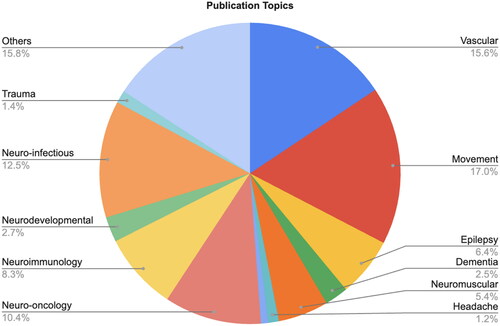
Target Audience:
Neurologists | Neurosurgeons | Neuroscientists | Neuroradiologists | Physicians | Neuromuscular Specialist | Adult & Pediatric Neurologist | Neuroimmunologists | Medical Students, Researchers, Residents (Neurosurgery, Neurology, Psychiatry, Radiology, and Rehab) | Nurses | Nurse Practitioners | Physician Assistants | Professors | Academicians | Associations | Organizations | Hospitals | Medical Labs | Research Laboratories | Drug Development Companies | Research Institutes and Members | Scholars | Manufacturing Companies | Training Institutes | Healthcare Workers and Druggist | Industries
Neurology Market Overview in USA :
The U.S. Neurology market is poised for significant growth between 2025 and 2030, driven by the increasing prevalence of neurological disorders, an aging population, and continuous advancements in diagnostics and treatment. The U.S. maintains a dominant global position due to its robust healthcare infrastructure and high R&D investment.
Key segments show strong Compound Annual Growth Rates (CAGRs): the overall U.S. Neurology market is projected at an 8.31% CAGR (2025-2034), while U.S. Neurology Devices anticipate a 7.4% CAGR (through 2035). The global Neurosurgery Devices market (heavily influenced by the U.S.) expects a 12.89% CAGR (2025-2030).
Notably, Digital Health in Neurology shows the highest potential, with a 19.7% CAGR (2024-2030), fueled by telemedicine and AI. Despite this positive outlook, the market faces challenges including high costs, complex regulations, and a shortage of specialists.
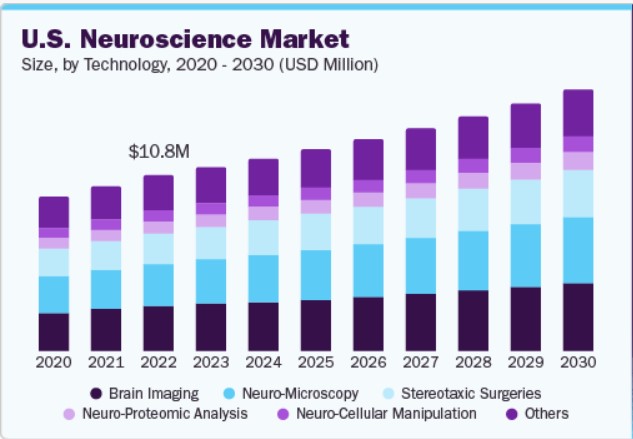
The U.S. Neurology market's robust growth from 2025-2030 is primarily fueled by the increasing prevalence of neurological disorders like Alzheimer's (affecting 6.9 million Americans aged 65+ in 2024), Parkinson's, stroke, and epilepsy, compounded by an aging population. This demand is met by continuous technological advancements in neuroimaging, minimally invasive surgical techniques, robotic-assisted neurosurgery, and neurostimulation, which enhance diagnostics and treatment efficacy.
Additionally, significant R&D investments, the rising adoption of digital health solutions like telemedicine and AI, and supportive reimbursement policies contribute to market expansion. However, the sector faces challenges including high treatment costs, complex regulatory processes, and a shortage of specialized neurologists and neurosurgeons.
Neurology Market Overview in Europe :
The Neurology market in Europe is projected for significant growth from 2025 to 2030, driven by the escalating burden of neurological disorders, a rapidly aging population, and continuous advancements in diagnostic and therapeutic technologies. Europe's well-established healthcare systems also play a crucial role in facilitating the adoption of innovative solutions.
Various segments within this market are expected to see impressive Compound Annual Growth Rates (CAGRs) during this period: the Europe Neurology Devices market is poised for an 8.1% CAGR (2024-2030), with neurostimulation being a key growth area, while the Europe Neurology Monitoring market anticipates a 5.62% CAGR (2025-2030).
The broader Europe Neuroscience market is projected at a 5.3% CAGR (2023-2030). Furthermore, the global Neurosurgery Devices market, significantly influenced by Europe, is expected to grow at a robust 12.89% CAGR (2025-2030), and Neuro-navigation Systems in Europe are set for a 6.04% CAGR (2025-2030).
A particularly dynamic segment is Digital Health in Neurology in Europe, which is forecast for a remarkable 22.7% CAGR (2024-2030), propelled by advancements in AI, telemedicine, and remote monitoring. This overall market expansion is primarily fueled by the high prevalence of neurological disorders, the increasing susceptibility of Europe's aging population to these conditions, continuous technological innovation, strong healthcare infrastructure, and the growing adoption of digital health solutions.
Despite this positive trajectory, the European Neurology market faces challenges, including the high cost of advanced treatments, complex and fragmented regulatory landscapes across member states, and a persistent shortage of specialized neurologists and neurosurgeons.
Europe Digital Health in Neurology Market, 2018-2030 (US$M)
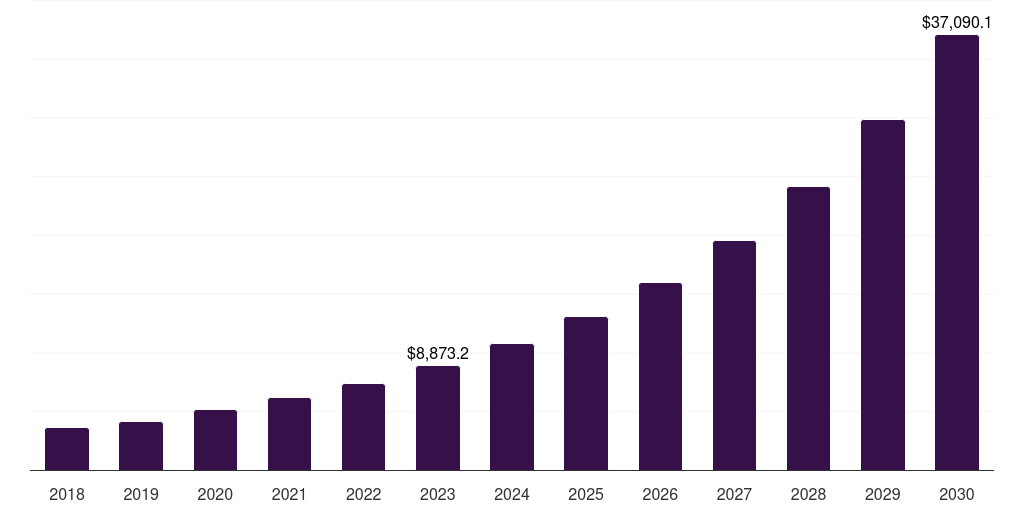
Neurology Market Overview in Asia :
The Asia Pacific Neurology market is set for exceptionally rapid growth between 2025 and 2030, positioning itself as the fastest-growing global region in multiple segments. This surge is primarily driven by the escalating prevalence of neurological disorders, a rapidly aging population, increasing healthcare expenditure, and a concerted effort to enhance healthcare infrastructure, particularly in emerging economies like China, India, and South Korea.
Significant Compound Annual Growth Rates (CAGRs) are projected across various segments, including the Asia Pacific Neurological Biomarkers Market at 13.9% (2025-2030), and the APAC Neurology Devices Market at 9.07% (2022-2030). Asia Pacific is also poised to be the fastest-growing region for Neurological Disorder Diagnostics Treatment (5.68% CAGR, 2025-2030), Neurology Clinical Trials (6.56% CAGR through 2030), and Neurotechnology (15.46% CAGR through 2030), notably influenced by China's BCI strategy.
The Digital Health in Neurology market in Asia Pacific stands out with a remarkable 23.5% CAGR (2024-2030), fueled by advancements in AI and telemedicine. This overall expansion is underpinned by the increasing burden of neurological diseases, the susceptibility of the region's aging population, improving healthcare infrastructure and spending, rapid technological adoption, and supportive government initiatives.
Asia Pacific Neurology Devices Market, 2018-2030 (US$M)
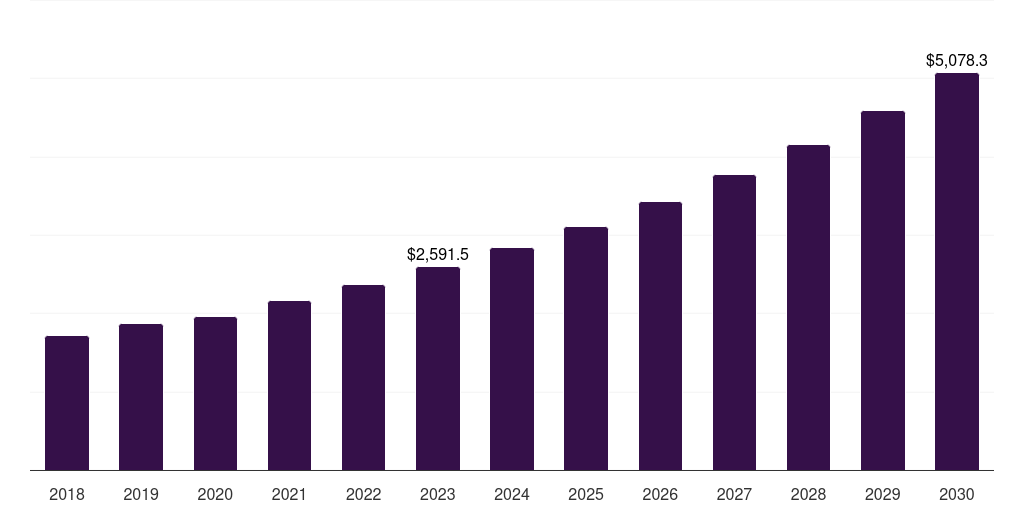
Despite this promising outlook, challenges such as high treatment costs, the need for a skilled workforce, and regulatory complexities across diverse Asian countries remain.
Neurology Market Overview in Middle East :
The Neurology market in the Middle East and Africa (MEA) is projected for significant growth between 2025 and 2030, driven by a rising prevalence of neurological disorders, a growing population, substantial government healthcare investments, and a strong emphasis on modernizing infrastructure and adopting advanced technologies.
Key segments are poised for considerable growth: the MEA Neurology Devices Market is expected to reach US$ 433.3 million by 2030 with a 5.9% CAGR (2024-2030). Notably, the Digital Health in Neurology market in the MEA region shows exceptional potential, forecast to reach US$ 5,105.3 million by 2030 with a remarkable 22.8% CAGR (2024-2030), with the UAE leading this growth.
This expansion is fueled by the increasing incidence of conditions like stroke, epilepsy, and Alzheimer's, coupled with robust government initiatives (e.g., Saudi Vision 2030), increasing technological adoption in areas like AI-based diagnostics and robotic surgery, and growing public awareness. However, the market still faces challenges, including the high cost of advanced treatments, a shortage of specialized medical professionals, and fragmented regulatory landscapes across different countries in the region.

50 Neurological Treatments that are commonly used in the field of Neurology:
Antiepileptic medications (AEDs): Are used to control seizures in people with epilepsy.
Deep Brain Stimulation (DBS): This treatment is used to treat Parkinson's disease and essential tremor.
Stroke Thrombolysis: Stroke thrombolysis is the treatment of ischemic strokes with clot-busting medicines.
Brain Surgery: To remove brain tumors or treat epilepsy.
Physical Therapy: Physical therapy is used to restore movement and function following neurological injury.
Neuromuscular Blocking Agents: Used in surgery to relax muscles.
Intravenous Immunoglobulin (IVIG): Used to treat autoimmune neuromuscular diseases.
Ventricular Shunting: A procedure that drains extra cerebrospinal fluid to cure hydrocephalus.
Botulinum Toxin (Botox): This substance is used to treat illnesses such as dystonia and migraines
Gamma Knife Radiosurgery: Targeted radiation therapy for brain malignancies.
Neuromodulation: Transcranial magnetic stimulation (TMS) is one example of neuromodulation.
Medications for Multiple Sclerosis: Multiple Sclerosis medications include disease-modifying treatments (DMTs).
Anticoagulants: These medications prevent blood clots that can lead to strokes.
Neurorehabilitation: Neurorehabilitation is a comprehensive therapy for the recovery of neurological injuries.
Carotid Endarterectomy: A procedure used to remove plaque from the carotid arteries.
Corticosteroids: These medications are used to alleviate inflammation in illnesses such as multiple sclerosis.
Nerve Blocks: Nerve blocks, such as epidural or peripheral nerve blocks, are used to relieve pain.
Antiparkinsonian Medications: Used to treat Parkinson's disease symptoms.
Lumbar Puncture (Spinal Tap): Used in some circumstances for diagnosis and therapy.
Antidepressants and anxiolytics: Are used to treat mood problems caused by neurological diseases.
Intrathecal Baclofen Pump: Used to treat severe spasticity caused by disorders such as cerebral palsy.
Biofeedback Therapy: This therapy assists patients in gaining control over physiological functioning.
Vestibular Rehabilitation: Is used to treat balance and dizziness issues.
Palliative care: Is used to improve the quality of life of those suffering from severe neurological disorders.
Gene Therapy: Gene Therapy is a new therapy method for certain genetic neurological illnesses.
Stem Cell Therapy: Stem cell therapy is being researched for several neurological illnesses in attempt to improve tissue restoration.
Gene Editing: CRISPR technology is being used to change genes in specific neurological diseases.
Fecal Microbiota Transplantation (FMT): Is being researched for its potential advantages in neurological illnesses associated with the gut-brain axis.
Neuro prosthetics: Implantable devices that restore lost neurological function, such as brain-computer interfaces, are known as neuro prosthetics.
The ketogenic: Diet is used to treat epilepsy and is being researched for other neurological diseases.
Virtual Reality Therapy: Neurorehabilitation and pain management are aided by virtual reality therapy.
Targeted Therapies for Brain Tumors: Treatments that are tailored to the patient's genetic profile.
Neuromuscular Electrical Stimulation (NMES): Aids in muscle recovery following injury or surgery.
Intracranial Pressure Monitoring: Monitoring intracranial pressure is critical in the treatment of serious brain injuries and hydrocephalus.
Cognitive Behavioral Therapy (CBT): Used to treat the psychosocial elements of neurological illnesses.
Nanotechnology in Drug Delivery: Improves drug delivery precision to the brain.
Brain-Computer Interfaces (BCIs): Enables direct connection between the brain and external devices.
Transcranial Direct Current Stimulation (tDCS): Is being researched for the treatment of mood disorders and cognitive enhancement.
Optogenetics: The use of light to regulate individual neurons, which is being investigated for various neurological investigations.
Minimally Invasive Spinal Surgery: Less invasive techniques for the spine.
Extracorporeal Shock Wave Therapy (ESWT): Is being researched for the treatment of neuropathic pain.
Custom Implant 3D Printing: Creating patient-specific implants for cranial and spinal surgery.
Telemedicine and remote monitoring: These technologies improve access to neurological care and follow-up.
Neurofeedback Training: Assists individuals in regulating brain activity for a variety of functions.
Non-Invasive Brain Stimulation: Techniques such as transcranial electrical stimulation (tES) are examples of non-invasive brain stimulation.
Immunotherapies for Autoimmune Neurological Disorders: Examining the involvement of the immune system.
Exoskeletons: Mobility and rehabilitation aids following spinal cord injury.
Neuro pharmacogenomics: Personalized pharmacological treatment based on genetic characteristics is known as neuro pharmacogenomics.
Microbiome Manipulation: Exploring the gut-brain relationship for neurological health through microbiome manipulation.
Biomarker Detection: Advances in detecting early symptoms of neurological illnesses in order to intervene more effectively.
General overview of Neurologists salaries across the Globe:
Neurologists pay can vary greatly depending on factors such as geography, years of experience, the country's specific healthcare system, and the need for neurologists in that region.
Here is a broad breakdown of neurologists' wages around the world:
The United States: Neurologists annual salaries in the United States often range from $250,000 to $400,000 or more, depending on criteria such as location and sub-specialization.
Canada: Neurologists in Canada earn an average annual compensation of CAD 300,000 to CAD 400,000 or more.
United Kingdom: Neurologists pay in the United Kingdom vary depending on experience and location within the National Health Service (NHS). Neurologists in the United Kingdom can make between £80,000 and £150,000 per year on average.
Australia: Neurologists in Australia earn a good living. Neurologists in Australia earn an average annual pay of AUD 150,000 to AUD 300,000 or more.
Germany: Neurologists salary in Germany can vary depending on the healthcare sector (public or private). Neurologists in Germany might make between €80,000 and €150,000 per year on average.
India: Neurologists salary in India might vary widely depending on factors such as geography, experience, and the type of healthcare facility. Neurologists in India might make anything from INR 10 lakhs to INR 30 lakhs or more per year on average.
South Africa: Neurologists in South Africa are often paid well. Neurologists in South Africa earn an average annual compensation of ZAR 800,000 to ZAR 2 million or more.
Middle East: Neurologists salaries in Middle Eastern nations such as the UAE and Saudi Arabia can be fairly appealing, ranging from $150,000 to $300,000 or more per year, including benefits.
different Countries: Neurologists salary in different countries might vary greatly, thus it is critical to assess the region and its healthcare system.
Neurology and Neurosurgery societies:
USA:
American Academy of Neurology / American Neurological Association (ANA) / Society for Neuroscience / Child Neurology Society / World Federation of Neurology / Florida Society of Neurology / American Association of Neurological Surgeons / Congress of Neurological Surgeons (CNS) / American Board of Psychiatry and Neurology / Neurosurgical Society of America (NSA) / Western Neurosurgical Society / Society of Neurological Surgeons / World Federation of Neurosurgical Societies / International Society for Pediatric Neurosurgery / Epilepsy Foundation / American Epilepsy Society / Epilepsy Society / American Clinical Neurophysiology Society / Child Neurology Society / American Clinical Neurophysiology Society / American Academy of Pediatrics / Epilepsy Association / Professional Stroke Organizations / Academy of Neurologic Physical Therapy / North American Neuro-Ophthalmology Society / Neurocritical Care Society / American Osteopathic Board of Neurology and Psychiatry / Alzheimer Association / American Headache Society / Massachusetts Neurologic Association / The American Society of Neuroimaging / North American Neuromodulation Society / Professional Stroke Organizations / World Stroke Organization / Epilepsy Center of Northwest Ohio / Dravet Syndrome Foundation / Citizens United for Research in Epilepsy / National Association of Epilepsy Centers / American Parkinson Disease Association / Brooklyn Parkinson Group / Capital Area Parkinson's Society / Central Ohio Parkinson Society / Hawaii Parkinson Association / Houston Area Parkinson Society / Michael J. Fox Foundation for Parkinson's Research / Muhammad Ali Parkinson's Center & Movement Disorders Clinic / National Parkinson Foundation / Parkinson Alliance / Parkinson Association of the Rockies / Parkinson's Disease Foundation / Parkinsons Institute and Clinical Center / Parkinson's Resource Organization / International Federation of Clinical Neurophysiology
Europe:
European Academy of Neurology / European Neurological Society / European Pediatric Neurology Society: EPNS / European Association of Neurosurgical Societies / European Stroke Organisation / Stroke Alliance for Europe / European Stroke Organisation / Epilepsy Alliance Europe Task Force / International League against Epilepsy / British Epilepsy Association / British Pediatric Neurology Association / Epilepsy Action / International Bureau for Epilepsy / National Institute of Neurological Disorders and Stroke / Movement Disorder Society / European Parkinson's Disease Association / Cure Parkinson's Trust / Neuroförbundet / Párkinson Albacete / Párkinson Alicante / Deutsche Parkinson Vereinigung / Jung & Parkinson / Kompetenznetz Parkinson / Verein Parkinson Nurses und Assistenten / Parkinson Slovácko / Parkinson Selbsthilfe Österreich / Parkinsonline (PON) Austria / Alzheimer Europe / Alzheimer's Disease International / Federation of European Neuroscience Societies / European Association for NeuroOncology / Federazione Alzheimer Italia / Alzheimer Society of Ireland / Hungarian Alzheimer Society
Asia:
Neurology Asia / Federation of Asian-Oceanian Neuroscience Societies / Asian Ocean Association of Neurology / Asian Society for Neuro-Oncology / Neurological Society of India / Indian Academy of Neurology / Indian Society of Neuro-Oncology / Mongolian Neuroscience Society / Australasian Neuroscience Society / Asian Australasian Society of Neurological Surgeons / Parkinson's Disease Society / Parkinson's Disease Foundation / Parkinson's Disease and Movement Disorder Society / Parkinson's Disease Patients Welfare Society / Taiwan Parkinson Association / Parkinson’s Support Group / Yayasan Peduli Parkinson Indonesia / Malaysian Parkinson's Disease Association / Japanese Society of Psychiatry and Neurology / Japanese Society of Neurology / Japan Neuroscience Society / Japan Neurosurgical Society / The Neurospinal Society of Japan / Taiwan Neurosurgical Spine Society / Alzheimer's & Related Disorders Society of India / Alzheimer's Association Japan / Jordan Alzheimer’s Association / Alzheimer's Association of Israel / Iran Dementia & Alzheimer's Association / Alzheimer's Indonesia / Hong Kong Alzheimer's Disease Association / Dementia Care Foundation Bangladesh / Qatar Alzheimer’s Society / Korean Association for Dementia / Foundation Alzrus / Saudi Alzheimer's Disease Association / Japanese Society of Child Neurology
Middle East and other regions:
Emirates Neurology Society / Society for Arab Neuroscientists / Saudi Neurology Society / Pan Arab Union of Neurological Societies / Israel Society for Neuroscience (ISFN) / Iranian Neurological Association / OMAN Neurology Society / Bahrain Medical Society / Bahrain Neurological Association / Egyptian Society of Neurology, Psychiatry and Neurosurgery / African Academy of Neurology / Neurological Association of South Africa / Society of Neuroscientists of Africa / Southern African Neuroscience Society: SANS / Australian and New Zealand Association of Neurologists / Neurosurgical Society of Australasia / Australasian Neuroscience Society Inc / Australia and New Zealand Child Neurology Society (ANZCNS) / Australian Neuroscience Society / Tikvah4Parkinson / Africa Parkinson's Disease Foundation / Parki̇nson Hastaliği Derneği̇ / Parkinson's Disease & Related Movement Disorders Association of South Africa / Alzheimer's Family Support Group / Corporación Alzheimer Chile / Dementia Australia / Saudi Alzheimer's Disease Association / Qatar Alzheimer’s Society / Oman Alzheimer’s Society / Jordan Alzheimer’s Association / Alzheimer's South Africa
Hospitals:
North America:
Hospital for Sick Children / Providence Health & Services / Hartford Hospital / Scripps Health System San Diego / Nationwide Children's Hospital / Massachusetts General Hospital / University of Michigan Health System / Brigham and Women's Hospital / Children's Hospital Boston / Society of Cardiovascular and Interventional Radiology / Group Health Cooperative Health Care System Seattle / National Jewish Medical and Research Center / Baylor Health Care System / Peacehealth / Intermountain Healthcare / Houston Methodist / University of Utah Health Care / M D Anderson Cancer Center / Texas Health Resources Inc. / Mayo Clinic / Scott and White Memorial Hospital / Ochsner Health System / Cleveland Clinic / Nebraska Medical Center / Memorial Sloan Kettering Cancer Center / Deer's Head Hospital Center / Navy Medicine / H Lee Moffitt Cancer Center & Research Institute / St Louis Children's Hospital / Allina Health / Gwinnett Medical Center Lawrenceville Georgia / Dartmouth Hitchcock Medical Center / Memorial Hermann Northeast Hospital / University of Chicago Hospitals / University of Virginia Health System / Cincinnati Children's Hospital Medical Center / Mercy / Edmond Medical Center / MedStar Health / Sanford Health (Union Hospital Mayville North Dakota) / University of North Carolina Healthcare / Northwestern Medicine / Arizona State Hospital / Mount Sinai Medical Center New York / Lahey Clinic / Children's Mercy Hospitals and Clinics / University of Kentucky Healthcare Good Samaritan Hospital / Fox Chase Cancer Center / Beth Israel Deaconess Medical Center / Banner Health / Partners Healthcare System / Texas Heart Institute at St Luke's Episcopal Hospital / Vancouver Island Health Authority / Advocate Health Care / Children's Healthcare of Atlanta Pediatric Hospital / Inova Health System Northern Virginia / Froedtert Hospital and Medical College of Wisconsin / Tricare Military Health System / Johns Hopkins Medicine / Henry Ford Hospital / Edward Hospital & Health Services / UCLA University of California Los Angeles Health System / Indiana University Health / BayHealth Medical Center / Baptist Health System / Children's Hospital of Philadelphia / St Jude Children's Research Hospital / Georgia Regents Health System / London Health Sciences Centre / Munson Healthcare (Mercy Hospital Cadillac) / Kaiser Permanente / Long Island Jewish Medical Center / Nemours Healthcare for Children / Aurora Health Care / Carolinas Healthcare System / Seattle Children's Hospital and Medical Center / University Hospitals of Cleveland Ohio / New York Presbyterian / Lower Manhattan Hospital / Lifebridge Health / William Beaumont Hospital / Hospital for Special Surgery / University of Pittsburgh Medical Center / University of Maryland Medical Center / Santé Montérégie / Sutter Health Hospitals / University Health Network / University of Iowa Hospitals and Clinics / Fairview Health Services / Rex Healthcare / Vancouver Coastal Health / City of Hope Duarte – California / Kennedy Krieger Institute / Childrens Hospital Los Angeles / University of Wisconsin Health / Alberta Health Services / Fraser Health / Emory Healthcare / Cedars Sinai Medical Center / Dana Farber Cancer Institute Boston / Centre for Addiction & Mental Health
Europe:
HELIOS Kliniken Gruppe / Guy's and St Thomas' Hospital NHS / Rigshospitalet / Norrbottens Lans Landsting / Hôpitaux de Rouen / Kantonsspital St.Gallen / Oslo University Hospital / Sahlgrenska University Hospital / Erasmus Medisch Centrum Universitait Medisch Centrum Rotterdam / Universitätsklinikum Dusseldorf / Centre Hospitalier Universitaire Vaudois Lausanne / NHS Greater Glasgow and Clyde / Johanniter Krankenhaus / Universitätsklinikum Carl Gustav Carus Dresden / Royal Berkshire NHS Foundation Trust / Universitätsklinikum und Medizinische Fakultät Tübingen / Universitätsklinikum Freiburg / University Clinic Heidelberg Universittsklinikum Heidelberg / Inselspital Universitatsspital Bern / Universitätsklinikum Aachen Aör / L’Institut Curie / Karolinska Institute & University Hospital / Clalit Health Services / Assistance Publique Hôpitaux de Paris / Hôpitaux Universitaires de Geneve / Uniklinik Köln - Klinikum der Universitat Zu Köln / Universitätsklinikum Jena Klinikum der Friedrich Schiller Universität / Universitair Medisch Centrum Utrecht / Instytut Psychiatrii i Neurologii / UniverstätsSpitals Zürich / Istituto Oncologico Veneto / Leiden University Medical Center / Leids Universitair Medisch Centrum / Universitair Ziekenhuis Leuven / Institute of Cancer Research Royal Cancer Hospital / Universitätsklinikum Hamburg Eppendorf / Universitair Medisch Centrum Groningen / Tel Aviv Sourasky Medical Center / Universitätsklinikum Ulm / Hirslanden Privatklinikgruppe / NHS Fife / Universitätsklinikum Münster / Rhön-Klinikum AG / Klinikum der Johannes Gutenberg Universität Mainz / Asklepios Klinikum Bad Abbach / Universitätsklinikum Magdeburg / Klinik und Poliklinik für Hals Nasen Ohrenheilkunde Ludwig Maximilians Universität München / Centre Hospitalier Universitaire de Lyon hôpitaux de Lyon / Krankenhaus der Stadt Dornbirn / Universitätsklinikum Erlangen / Vu Medical Center Amsterdam
Asia:
Dokkyo Medical University Hospital / Sun Yat-sen University First Affiliated Hospital / Cancer Institute & Hospital Chinese Academy of Medical Sciences / Taipei Veterans General Hospital / Institute of Medical Science University of Tokyo / National Taiwan University Hospital / Clalit Health Services / Assaf Harofeh Medical Center Tel Aviv University Sackler Faculty of Medicine / Mahatma Gandhi Institute of Medical Sciences & The Kasturba Hospital / Tata Memorial Centre / Chang Gung Memorial Hospital / Sankara Nethralaya Hospital / Fortis Healthcare / Sri Ramachandra University & Medical Centre / Sri Venkateswara Institute of Medical Sciences / Jaslok Hospital & Research Centre / Hospital Authority / Buddhist Tzu Chi General Hospital / King Faisal Specialist Hospital & Research Centre / Beppu National Rehabilitation Center for Persons with Severe Disabilities / Schneider Children's Medical Center of Israel / Changhua Christian Hospital Changhua City / Assuta Medical Centers Assuta Hospital / National Cancer Center Hospital / Sheba Medical Center / L.R.S Institute of Tuberculosis & Respiratory Diseases / National Center of Neurology and Psychiatry / Japan Hospital Association / Kyoto University Hospital / Barzilai Medical Center / Beijing Hospital / Guangdong Provincial TCM Hospital / Max Healthcare / Jilin University Bethune Hospital - First Hospital of Jilin University / Apollo Hospitals / Hadassah Medical Organization / Xinqiao Hospital Third Military Medical University / National Hospital Organization / Peking Union Medical College Hospital Beijing / National Center for Child Health and Development National Children's Medical Center Research Institute / Rambam Health Care Campus / Tel Aviv Sourasky Medical Center / Beijing Maternity Hospital / Guangzhou City Twelfth People's Hospital / Anhui Provincial Hospital / Amrita Institute of Medical Sciences and Research Centre / M.V Hospital for Diabetes and Diabetes Research Centre
Middle East and other regions:
National Guard Health Care Service / Royal Children's Hospital / Hadassah Medical Organization / Assaf Harofeh Medical Center Tel Aviv University Sackler Faculty of Medicine / Kbb Istanbul / Group Florence Nightingale Hastanesi / Dar Al Fouad Hospital / Babol University Hospitals / Hospital Clínico de la Universidad de Chile / Royal Adelaide Hospital / Hospital San José Tec de Monterrey / Riyadh Military Hospital / Arab Contractors Medical Centre / Diani Beach Hospital Kenya / As Salam International Hospital / Mater Health Services Brisbane / ACIBADEM / Neuropsychiatric Hospital Aro Abeokuta / Clalit Health Services / Auckland District Health Board / Austin Health / Memorial Hospital / Assuta Medical Centers Assuta Hospital / Ege University Medical School & Hospital / Instituto do Coração do Hospital das Clinicas / Cancer Institute / Institut Pasteur de Madagascar / INCA Instituto Nacional de Câncer / Ankara Saglik Müdürlügü / Baskent Universitesi Adana Hastanesi / Hospital El Cruce / Vkv Amerikan Hastanesi / Baker Heart Research Institute / Gambro Healthcare / Netcare Group / Hospital Italiano de Buenos Aires / Haydarpasa Gata Arastirma Hastanesi / Centre Hospitalier Mohammed VI Marrakech / Sheba Medical Center / Hunter New England Health / Medical Park / Children's Hospital Trust / Baskent Universitesi Istanbul Tip Fakültesi / Sydney Adventist Hospital / Grupo Médica Sur / St John of God Health Care / Hospital Israelita Albert Einstein / Ganzouri Specialized Hospital / Children's Hospital at Westmead / King Edward Memorial Hospital for Women / Hamad Medical Corporation / Tel Aviv Sourasky Medical Center / Department Health & Human Services of Tasmania Royal Hobart Hospital / Hospital de Clinicas de Porto Alegre / Life Healthcare Hospital Group / Rajaei Cardiovascular, Medical & Research Center / Clínica Alemana de Santiago de Chile / Edna Adan Maternity Hospital / Hospital de Câncer de Barretos Fundaçao Pio XII / Clínica las Condes / Rambam Health Care Campus / Melomed Hospital Holdings / Royan Institute Research and Clinical Center for Infertility and Reproductive Health / King Faisal Specialist Hospital & Research Centre
Universities and Institutes:
Europe:
University of Trieste / University of Milan / Netherlands Institute for Neuroscience / University of Birmingham / University of Cambridge / Maastricht University / Maastricht University / Keele University / University of Bordeaux / Instituto Internacional de Estudios En Seguridad Global / Sapienza University of Rome / University of Groningen / UCL (University College London) / University of Pierre and Marie Curie / Imperial College London / King's College London, University of London / University of St Andrews / The European Institute for Theoretical Neuroscience / University of Amsterdam / Nottingham Trent University / University of Pavia / University of Bristo / Max Planck Society / Radboud University / University of Bordeaux / Inserm - French National Institute of Health and Medical Research / University of Gothenburg / Utrecht University / Université Laval / University of Oxford / Instituto Superior de Estudios Psicológicos / University of Sheffield / University of Edinburgh / University of Bonn / Vrije Universiteit Amsterdam / Oxford Brookes University / VU University Amsterdam / Plymouth University / Irish Institute of Clinical Neuroscience / University of Nottingham / Dublin Neurological Institute / European Neuroscience Institute Göttingen / Leiden University / Brain and Spine Foundation / Umg – Universität / Neurological Institute Foundation Casimiro Mondino / Charité - Universitätsmedizin Berlin / Bristol University / University College London / Bournemouth University / Karolinska Institute / Universitat Pompeu Fabra Barcelona / Esco E-Universitas / Netherlands Institute for Neuroscience / University of Groningen / Radboud University / Irish Institute of Clinical Neuroscience / Dublin Neurological Institute / University of Split / University of Zagreb / European University Cyprus / Johannes Kepler University Linz / Juraj Dobrila University of Pula / University of Osijek / University of Rijeka / Bezmialem Vakif University / Biomedical University of Rome / Bogomoletz Institute of Physiology, Kiev / Bosnia and Herzegovina / Brighton and Sussex Medical School / Bristol Medical School / Bukovinian State Medical University / Bülent Ecevit University / Çanakkale Onsekiz Mart University / Cardiff University School of Medicine / Celal Bayar University / CEU San Pablo University / Charles University / Christian-Albrecht University of Kiel / Claude Bernard University Lyon / Crimea State Medical University / Çukurova Üniversitesi / Cumhuriyet University / D'Annunzio University of Chieti–Pescara / Danylo Halytsky Lviv State Medical University / David Tvildiani Medical University / Dicle University / Dnipropetrovsk State Medical Academy / Dokuz Eylul University / Donetsk National Medical University / Dumlupınar University / Dundee Medical School / Durham University School of Medicine and Health / Düzce University / Eberhard Karl University of Tübingen / Emilia-Romagna / Erasmus Universiteit Rotterdam / Erciyes University / Ernst Moritz Arndt University of Greifswald / Eskişehir Osmangazi University / Fatih University / Fırat University / First Pavlov State Medical University of St. Peterburg / François Rabelais University / Free and Hanseatic City of Hamburg / Free Hanseatic City of Bremen / Friedrich Schiller University Jena / Friedrich-Alexander University of Erlangen and Nürnberg / Friuli-Venezia Giulia / Gazi Üniversitesi / Gaziosmanpaşa University / Georgia-Augusta University of Göttingen / Giresun University / Glasgow Medical School / Goce Delčev University of Štip / Gomel State Medical University / Gothenburg University, Institute of Medicine / Gülhane Military Medical Academy / Hacettepe University / Harran University / Heidelberg-Mannheim / Heinrich-Heine University of Düsseldorf / Henri Poincaré University / Hull York Medical School / Humanitas University/ I.M. Sechenov First Moscow State Medical University / Imperial College School of Medicine / İnönü University / International University of Goražde / Istanbul Bilim University / Istanbul Medipol University / Istanbul University Cerrahpaşa / Istanbul University Istanbul / Ivane Javakhishvili Tbilisi State University / Ivano-Frankivsk National Medical University / Izhevsk State Medical Academy / Jean Monnet University / Johann Wolfgang von Goethe University of Frankfurt am Main / Johannes Gutenberg University of Mainz / Joseph Fourier University / Julius Maximilian University of Würzburg / Justus-Liebig-Universität Gießen / Karadeniz Technical University / Karl Landsteiner University of Health Sciences / Karolinska Institutet / Katholieke Universiteit Leuven – Faculty of Medicine / Keele University School of Medicine / Kharkiv Medical Academy of Post-graduate Education / Kharkiv National Medical University / King's College London School of Medicine and Dentistry / Kırıkkale University / Koç University / Kocaeli University / Kursk State Medical University / Kyiv Medical University / ithuanian University of Health Sciences / Liverpool Medical School / Ludwigs-Maximilians University of Munich (LMU) / Lugansk State Medical University / Maltepe University / Manchester Medical School / Marche Polytechnic University / Marmara University / Martin-Luther University of Halle and Wittenberg / Masaryk University / Mecklenburg-Western Pomerania / Medical University of Białystok / Medical University of Gdańsk / Medical University of Graz / Medical University of Hannover / Medical University of Innsbruck / Medical University of Łódź / Medical University of Lübeck / Medical University of Lublin / Medical University of Plovdiv / Medical University of Silesia in Katowice / Medical University of Sofia / Medical University of Varna / Medical University of Vienna / Medical University of Warsaw / Medical University Pleven / Mersin University / Mevlana University / Miguel Hernández University of Elche / Mustafa Kemal University / National O.O. Bogomoletz Medical University / National University of Ireland / Near East University Faculty of Medicine / Necmettin Erbakan University / New Vision University / Newcastle University Medical School / North Rhine – Westphalia / Northern Ireland / Northern State Medical University / Norwegian University of Science and Technology / Norwich Medical School at the University of East Anglia / O.O. Bogomolets National Medical University / Odessa National Medical University / Ondokuz Mayıs University / Örebro University / Oryol State University Medical Institute / Otto-Guericke-University of Magdeburg / Ovidius University / Palacký University of Olomouc / Pamukkale Üniversitesi / Paracelsus Medical University / Paris 12 Val de Marne University / Paris 13 University / Paris Descartes University / Paris Diderot University / Paris-Sud 11 University / Paul Sabatier University / Pavol Jozef Šafárik University – Košice / Peninsula College of Medicine and Dentistry / People's Friendship University / Petre Shotadze Tbilisi Medical Academy / Philipps University of Marburg / Pierre and Marie Curie University / Pomeranian Medical University in Szczecin / Poznań University of Medical Sciences / Queen's University Belfast Medical School / Radboud University Nijmegen / Republic of Macedonia / Rhenish Friedrich Wilhelm University of Bonn / Rhenish Westphalian Technical University of Aachen / Rhineland-Palatinate / Riga Stradiņš University / Rostov-on-Don State Medical University / Royal College of Surgeons in Ireland / Ruprecht Karl University of Heidelberg / Russian Education Center REC-Russian Education Center / Saba University School of Medicine / Saint Camillus International University of Health and Medical Sciences / Saint George's Medical School in Cyprus / Saint Petersburg State Medical Academy / Schleswig-Holsatia / School of Clinical Medicine, University of Cambridge / Selçuk University / Semmelweis University of Medical Sciences / Sheffield Medical School / Slovak Medical University – Bratislava / Smolensk State Medical Academy / Sofia University – Faculty of Medicine / Southampton Medical School / St George's, University of London / St. Cyril and Methodius University / St. Petersburg State University / St. Theresa's Medical University of Yerevan / State University of Tetovo / Süleyman Demirel Üniversitesi / Sumy State University / Swansea University Medical School / Tbilisi State Medical University, Georgia / Technical University of Munich (TU) / Ternopil State Medical University / The International Academy of Ecology and Medicine / The National Hospital / The State Medical and Pharmaceutical University "Nicolae Testemiţanu" / Titu Maiorescu University / Trakia University of Stara Zagora / Trakya University / Transylvania University of Brașov / Turgut Özal University / Tver State Medical University / UCL Medical School / Ufuk University / Ukrainian Medical and Dental Academy / Uludağ Üniversitesi / Umeå University, Faculty of Medicine / Universidad Alfonso X El Sabio / Universidad Autónoma de Madrid / Universidad CEU Cardenal Herrera / Universidad Complutense de Madrid / Universidad de Alcalá / Universidad de Cádiz / Universidad de Cantabria / Universidad de Córdoba / Universidad de Extremadura/ Universidad de Granada / Universidad de La Laguna / Universidad de Las Palmas de Gran Canaria / Universidad de Málaga / Universidad de Murcia / Universidad de Navarra / Universidad de Oviedo / Universidad de Salamanca / Universidad de Santiago de Compostela / Universidad de Sevilla / Universidad de Valladolid / Universidad de Zaragoza / Universidad Europea de Madrid / Universidad Francisco de Vitoria / Universidad Rey Juan Carlos / Universidade Nova de Lisboa / Universita Cattolica del Sacro Cuore / Universitaires Notre-Dame de la Paix / Universitat Autònoma de Barcelona/ Universitat de Barcelona / Universitat de Girona / Universitat de Lleida / Universitat de València / Universitat des Saarlandes / Universitat Internacional de Catalunya / Universität Rostock / Universitat Rovira i Virgili / Universitätsklinikum Benjamin Franklin / Université Catholique de Louvain / Université de Liège / Université de Mons / Université Libre de Bruxelles / Université Lille Nord de France / Universiteit Antwerpen / Universiteit Gent / Universiteit Hasselt / University College Cork / University College Dublin / University Hospital / University Hospitals of the Ruhr-Universität Bochum / University Medicine Berlin of Freie Universität Berlin / University of Aberdeen School of Medicine / University of Algarve / University of Angers / University of Antilles-Guyane / University of Athens / University of Auvergne / University of Banja Luka / University of Bari / University of Basel / University of Beira Interior / University of Belgrade / University of Bergen / University of Berne / University of Birmingham Medical School / University of Bologna / University of Brescia / University of Burgundy / University of Caen Lower Normandy / University of Cagliari / University of Castilla–La Mancha / University of Catania / University of Catanzaro / University of Coimbra / University of Cologne / University of Copenhagen / University of Crete / University of Cyprus / University of Debrecen Medical School / University of Defence / University of Duisburg-Essen / University of East Sarajevo / University of Eastern Finland / University of Eastern Piedmont / University of Edinburgh Medical School / University of Ferrara / University of Florence / University of Foggia / University of Franche-Comté / University of Fribourg / University of Galați / University of Gaziantep / University of Geneva / University of Genoa / University of Groningen / University of Hamburg / University of Helsinki / University of Iceland / University of Insubria / University of Ioannina / University of Kragujevac / University of L'Aquila / University of Latvia / University of Lausanne / University of Leiden / University of Limerick / University of Limoges / University of Lisbon / University of Ljubljana / University of Malta / University of Maribor / University of Medicine and Pharmacy / University of Medicine and Pharmacy of Craiova / University of Medicine and Pharmacy of Târgu Mureş / University of Messina / University of Minho / University of Modena and Reggio Emilia / University of Molise / University of Montenegro / University of Montpellier / University of Mostar / University of Nantes / University of Naples / University of New Caledonia / University of Nice Sophia Antipolis / University of Nicosia Medical School / University of Nis / University of Nottingham Medical School / University of Novi Sad / University of Oldenburg / University of Opole / University of Oradea / University of Ostrava / University of Oulu / University of Parma / University of Patras / University of Pécs Medical School / University of Perugia / University of Picardy / University of Pisa / University of Poitiers / University of Porto / University of Pristina / University of Regensburg / University of Reims Champagne-Ardenne / University of Rennes / University of Rome La Sapienza / University of Rome Tor Vergata / University of Rouen / University of Salerno / University of Sarajevo / University of Sassari / University of Siena / University of Southern Denmark / University of St Andrews School of Medicine / University of Strasbourg / University of Tampere / University of Tartu / University of the Basque Country / University of Thessaloniki / University of Thessaly / University of Thrace / University of Traditional Medicine / University of Trieste / University of Tromsø / University of Turin / University of Turku / University of Tuzla / University of Udine / University of Ulm / University of Verona / University of Western Brittany / University of Zurich / Uppsala University Faculty of Medicine / Uzhhorod National University / Van Yüzüncü Yıl Üniversitesi / Victor Segalen Bordeaux 2 University / Vilnius University / Vinnytsia State M.I. Pirogov Memorial Medical University / Volgograd State Medical University / Voronezh State Medical Academy / Vrije Universiteit Brussel / VU University Medical Center Amsterdam, Faculty of Medicine / Warwick Medical School / Westphalian University of Münster / Witten/Herdecke University / Wrocław Medical University / Yeditepe University / Yerevan State Medical University / Yıldırım Beyazit Universitesi / Zaporizhia State Medical University
North America:
John Hopkins School of Medicine / University of Pennsylvania / New York University / University of Washington / University of Southern California / Boston University / Yale University / Washington University / University of California, San Diego / Vanderbilt University / University of Chicago / Duke University / University of North Carolina Chapel Hill / Emory University / Brock University / Laurentian University / University of Alberta / University of Guelph / McMaster University / Dalhousie University / Concordia University / Carleton University / University of Calgary / Western University / The University of Winnipeg / Harvard University / Stanford University / University of California, San Francisco / Massachusetts Institute of Technology (MIT) / Columbia University / University of California, Los Angeles (UCLA) / Washington University in St. Louis / University of Toronto / McGill University / University of Washington / University of California, Berkeley / Duke University / University of Pittsburgh / University of Rochester / Northwestern University / University of British Columbia / Princeton University / Baylor College of Medicine / Icahn School of Medicine at Mount Sinai / University of Michigan / University of North Carolina Chapel Hill / University of California Irvine (UCI) / Cornell University / California Institute of Technology - Caltech / University of Minnesota Twin Cities / University of California, Davis / University of Wisconsin Madison / University of Texas Southwestern Medical Center / Brown University / Rush University / The Ohio State University / University of Miami / University of Maryland Baltimore / Yeshiva University / University of Colorado at Boulder / Oregon Health & Science University / University of Iowa / Case Western Reserve University / University of Florida / The University of Alabama at Birmingham / University of Cincinnati / Rutgers University / University of Utah / Carnegie Mellon University / Indiana University Bloomington / Medical University of South Carolina / University of Arizona / Tufts University / Virginia Commonwealth University / University of Kentucky / Dartmouth College / Stony Brook University / Indiana University - Purdue University Indianapolis / University of Ottawa / Philadelphia University / University of Kansas / University of Southampton / Augusta University / Georgetown University / McMaster University / Thomas Jefferson University
Asia:
Chulalongkorn University / Tsinghua University / Kyushu University / Hokkaido University / Sri Ram Chandra Bhanja Medical College and Hospital / Tohoku University / National Taiwan University (NTU) / National Yang-Ming University / Madras Medical College, Chennai / All India Institute of Medical Sciences, New Delhi / Osaka University / Nagoya University / Fudan University / National Institute of Mental Health and Neuro Sciences (NIMHANS) / The Hong Kong University of Science and Technology (HKUST) / Keio University International Center / Thrissur Govt. Medical College, Thrissur / Government Medical College, Kozhikode / Peking University / Government Medical College, Thiruvananthapuram / Institute of Post Graduate Medical Education and Research - [IPGMER], Kolkata / Taipei Medical University / Kasturba Medical College, Mangalore / Indian Institute of Technology Bombay (IITB) / Kyoto University / Pohang University of Science and Technology (POSTECH) / KAIST - Korea Advanced Institute of Science and Technology / University of Hong Kong (HKU) / Seth GS Medical College, Mumbai / Capital University of Medical Sciences / Mahidol University / Nanyang Technological University (NTU) / University of Delhi / SMS Medical College, Jaipur / Jawaharlal Institute of Post Graduate Medical Education and Research, Pondicherry / Christian Medical College, Vellore / King George's Medical University, Lucknow / National University of Singapore (NUS) / Korea University / Beijing Normal University / University Putra Malaysia (UPM) / Kyung Hee University / Grant Medical College and Sir J. J. Group of Hospitals, Mumbai / University Sains Malaysia (USM) / Sungkyunkwan University / Sri Ramachandra Institute of Higher Education and Research, Chennai / University of the Philippines / Shanghai Jiao Tong University / University of Science and Technology of China / The Chinese University of Hong Kong (CUHK) / Yonsei University / The University of Tokyo
Middle East and other countries:
University of Cape Town / Bar Ilan University / University of South Africa / University of Queensland / King Saud University / Tel Aviv University / Ben Gurion University of the Negev / University of Johannesburg / University of Nairobi / University of Adelaide / University of Tehran / University of the Western Cape / University of Pretoria / Weizmann Institute of Science / University of Kwazulu Natal / University of New South Wales / University of Melbourne / Monash University / University of the Witwatersrand / Tehran University of Medical Sciences / Stellenbosch University / University of Auckland / Cairo University / Hebrew University of Jerusalem / University of Haifa / Technion Israel Institute of Technology / King Abdulaziz University / Australian National University / University of Sydney
Top Neurology Companies:
Europe:
AstraZeneca / Fujirebio Europe / Galen Limited / Bristol-Myers Squibb / OncoVison / Intento SA / Brainomix / reHaptix GmbH / Mintlabs / Advanced Accelerator Applications / To – BBB / DIVIDAT GMBH / Santhera Pharmaceuticals / Avergen / BioCrea / Vasopharm / BTG plc / Neurim Pharmaceuticals / Newron Pharmaceuticals
USA:
Teva / Biogen / Novartis / Janssen / Pfizer / Sanofi / Allergan / Takeda / Trevena / Medivation / AceIRx Pharmaceuticals / Selonterra / NeuroGenetic Pharmaceuticals / Neuropore Therapies / Neurocrine Biosciences / Denali Therapeutics / Cortexyme / Kezar Life Sciences / CANTA Bio / Aoxing Pharmaceutical / Cell>Point / NeuroSearch / Karuna Pharmaceuticals / Santhera Pharmaceuticals / EIP Pharma / Euthymics Biosciences / ADispell
Asia:
Qilu Pharmaceutical / Eisai / Rongchang / China Chemical & Pharmaceutical Co. Ltd / Sun Pharmaceutical Industries Ltd. / Aurobindo Pharma / Torrent Pharmaceuticals / Cadila Healthcare / Piramal Enterprises / Glenmark Pharmaceuticals / Biocon / Harbin Pharmaceutical Group / China National Pharmaceutical Group / Sinopharm Group / North China Pharmaceutical Group Corp / China Nepstar / WuXi AppTec / Tong Ren Tang
Jobs Opportunities in Neurology:
Europe:
Locum Consultant Neurologist / Sr CRA II - CNS - (United Kingdom) / Administration Specialist / Product Manager / Marketing - Student Placements 2018 / Clinical Trial Administrator / International Market Access Director / Neurology Consultant – Yorkshire Contract Clinical Project Manager / Acute Paediatric Speech and Language Therapist / Senior Account Executive / Senior Audiologist / Account Manager / Junior Specialist Doctors – Lower / Neurology SpR/Consultant – Norfolk / Trust Grade Doctor in Stroke Medicine / Clinical Sales Application Specialist - Blood Analysis / SMA Senior Medical Manager / Registered Nurse - Trustwide / Experienced Registered Nurse - Neurosciences / Sister/ Charge Nurse / Consultant in Diagnostic/Interventional Neuroradiology / Junior Specialist Doctor (Standard) in Neurology / Staff Nurse / Paediatric Department - Staff Nurse / Locum Band 6/7 Adults Speech and LanguageTherapist / Branch Manager/Sales & Marketing - Medical Technology / Consultant in Diagnostic/Interventional Neuroradiology / Senior Staff Nurse / Medical Manager / Medical Sales - Mobile Operating Theatres / Consultant Neurologist / Clinical Study Physician (Neurology) / Medical Manager – Neurology / Senior Medical Advisor – Immunology / European Medical Director – Psychiatry / Director of Clinical Research – Neurology / Senior Medical Manager, EMEA Neurology / Senior Medical Manager – Neuro
USA:
Physician – Neurologist / Neurology Physician / Neurologist - UnityPoint Clinic - Multi-Specialty Clinic / Research Assistant / Neonatal Neurology Faculty / Neurosurgeon / Neurologist – Interventional / Subspecialty Academic Neurologist / Outpatient Neurologist / Neurologist - Willowbrook / Child Neurologist / NeuroMuscular - Neurologist - St. Anthony Hospital / Stroke Neurologist / Neurologist - Headache Job / Neurodiagnostic Technician / Neurologist Physician Elizabeth, NJ Consultant / Research Associate III - Neuroscience & Cell Biology / Board Certified Neurologist / Veterinarian- Neurologist / Neurohospitalist Opportunity in Sunny Central Florida / Neurologist (Sunport) / Physician MD/DO In~Patient Neurologist / Neurologist- Mercy Hospital Jefferson, MO / Clinical Academic Movement Disorder Neurologist / Clinical Academic Movement Disorder Neurologist / Reading Physician – Neurologist / Neurologist Opportunity - Mercy Hospital Washington / Neurologist for West Palm Beach / Physician - Neurologist - Escanaba, MI / Neurologist- Allen Memorial Hospital / Medical Research Specialist / Neurologist-Vascular / Neurology Opportunity Orlando, Florida / Outpatient Neurologist - Northwest Neurology / Neurologist / Neurologist Physician San Francisco, CA Consultant / Neuromuscular Neurologist / Neurologist-Multiple Sclerosis Job / Neurologist – General / Neurologist – Neurophysiology / Cerebrovascular Neurologist / Instructor or Assistant Professor / Neurologist Physician Elizabeth, NJ Consultant / Neurologist – Pearland / Neuroscience Intern / Neurologist - Central WI / Clinical Neurologist: Multiple Sclerosis and Neuroimmunology / Neurophysiologist - Jacksonville, FL
Asia:
Associate Consultant/ Consultant- DM Neurology / Consultant Doctor / Neuro Surgeon / Specialized and Super specialized Doctors / Associate Consultant / Neuro ICU/NCCU/Neuroscience Critical Care Unit-Nurse Manager / Orthopedic Neurology RN / Chief of Medical Staff / Pediatric Dentistry Consultant / Cancer Center Service Manager / Neuropsychiatrist / Stroke Neurologist / Research Associate / Researcher
Neurology Journals:
Acta Neurochirurgica / Acta Neurochirurgica, Supplement / Acta Neurologica Belgica / Acta Neurologica Scandinavica / Acta Neurologica Taiwanica / Acta Neuropathologica / Acta neuropathologica communications / Activitas Nervosa Superior / Acupuncture in Medicine / Advances in Alzheimer's Disease / Advances in Autism / Aging and Disease / Aktualnosci Neurologiczne / Aktuelle Neurologie / Aktuelle Neurologie, Supplement / Alzheimer's and Dementia / Alzheimer's and Dementia: Diagnosis, Assessment and Disease Monitoring / Alzheimer's and Dementia: Translational Research and Clinical Interventions / Alzheimer's Research and Therapy / American Journal of Neuroradiology / American Journal on Intellectual and Developmental Disabilities / Amyotrophic Lateral Sclerosis and Frontotemporal Degeneration / Annals of Clinical and Translational Neurology / Annals of Indian Academy of Neurology / Annals of Neurology / Annual Review of Vision Science / Aphasiology / Archives of Neuroscience / Archivos de Neurociencias / Arquivos de Neuro-Psiquiatria / ASN Neuro / Autism Research / Autonomic Neuroscience: Basic and Clinical / Basal Ganglia / Basic and Clinical Neuroscience / Behavioral Sleep Medicine / Behavioural Neurology / Biological Psychiatry: Cognitive Neuroscience and Neuroimaging / BMC Neurology / Brain / Brain and Development / Brain and nerve = Shinkei kenkyu no shinpo / Brain Imaging and Behavior / Brain Impairment / Brain Injury / Brain Pathology / Brain Research / Brain Stimulation / Brain Topography / Brain Tumor Pathology / British Journal of Neuroscience Nursing / British Journal of Neurosurgery / Canadian Journal of Neurological Sciences / Cardiovascular Psychiatry and Neurology / Case Reports in Neurology / Cephalalgia / Cerebellum / Cerebrovascular Diseases / Cerebrovascular Diseases Extra / Ceska a Slovenska Neurologie a Neurochirurgie / Child's Nervous System / Chinese Journal of Cerebrovascular Diseases / Chinese Journal of Contemporary Neurology and Neurosurgery / Chinese Journal of Neurology / Clinical and Experimental Neuroimmunology / Clinical Autonomic Research / Clinical EEG and Neuroscience / Clinical Journal of Pain / Clinical Neurology / Clinical Neurology and Neurosurgery / Clinical Neuropathology / Clinical Neuropharmacology / Clinical Neurophysiology / Clinical Neurophysiology Practice / Clinical Neuroradiology / Clinical neurosurgery / Clinical Spine Surgery / CNS Drugs / CNS Spectrums / Coluna/ Columna / Confinia Cephalalgica / CONTINUUM Lifelong Learning in Neurology / Cortex / Current Alzheimer Research / Current Neurology and Neuroscience Reports / Current Neuropharmacology / Current Opinion in Neurology / Current Pain and Headache Reports / Current Treatment Options in Neurology / Dementia e Neuropsychologia / Der Nervenarzt / Deutsche Zeitschrift für Akupunktur / Developmental Medicine and Child Neurology / Diagnostics in Neuropsychiatry / Douleurs / Dusunen Adam / Egyptian Journal of Neurology, Psychiatry and Neurosurgery / Epilepsia / Epilepsy and Behavior / Epilepsy and Behavior Case Reports / Epilepsy and Seizure / Epilepsy Currents / Epilepsy Research / Epilepsy Research and Treatment / Epileptic Disorders / Epileptology / Equilibrium Research / European Journal of Neurology / European Journal of Paediatric Neurology / European Neurological Review / European Neurology / European Neuropsychopharmacology / European Stroke Journal / Experimental Neurobiology / Expert Review of Neurotherapeutics / Focus on Autism and Other Developmental Disabilities / Focus on Parkinson's Disease / Folia Neuropathologica / Fortschritte der Neurologie Psychiatrie / Frontiers in Neurology / Frontiers of Neurology and Neuroscience / Functional Neurology / Future Neurology / Geriatrie et Psychologie Neuropsychiatrie du Vieillissement / Global Spine Journal / Handbook of Clinical Neurology / Head and Face Medicine / Headache / Human Brain Mapping / Human Psychopharmacology / Ideggyogyaszati Szemle / Innovations in Clinical Neuroscience / Interdisciplinary Neurosurgery: Advanced Techniques and Case Management / International Journal of Alzheimer's Disease / International Journal of Epilepsy / International Journal of Functional Informatics and Personalised Medicine / International Journal of MS Care / International Journal of Nutrition, Pharmacology, Neurological Diseases / International Neurourology Journal / International Review of Neurobiology / Internet Journal of Neurology / Interventional Neuroradiology / Iranian Journal of Child Neurology / Iranian Journal of Neurology / JAMA Neurology / Japanese Journal of Neurosurgery / Journal für Neurologie, Neurochirurgie und Psychiatrie / Journal of Brachial Plexus and Peripheral Nerve Injury / Journal of Cerebral Blood Flow and Metabolism / Journal of Child Neurology / Journal of Clinical and Experimental Neuropsychology / Journal of Clinical Neurology / Journal of Clinical Neuromuscular Disease / Journal of Clinical Neurophysiology / Journal of Clinical Neuroscience / Journal of Clinical Sleep Medicine / Journal of Craniovertebral Junction and Spine / Journal of Electromyography and Kinesiology / Journal of Experimental Stroke and Translational Medicine / Journal of Geriatric Psychiatry and Neurology / Journal of Head Trauma Rehabilitation / Journal of Headache and Pain / Journal of Huntington's disease / Journal of Intellectual Disability - Diagnosis and Treatment / Journal of Intellectual Disability Research / Journal of Korean Neurosurgical Society / Journal of Neural Transmission / Journal of Neurodegenerative Diseases / Journal of Neurodevelopmental Disorders / Journal of Neuroendovascular Therapy / Journal of Neurogastroenterology and Motility / Journal of Neuroimaging / Journal of Neuroimmunology / Journal of NeuroInterventional Surgery / Journal of Neurologic Physical Therapy / Journal of Neurological Sciences / Journal of Neurological Surgery Reports / Journal of Neurological Surgery, Part B: Skull Base / Journal of Neurological Surgery. Part A: Central European Neurosurgery / Journal of Neurology / Journal of Neurology, Neurosurgery and Psychiatry / Journal of Neuromuscular Diseases / Journal of Neuro-Oncology / Journal of Neuro-Ophthalmology / Journal of Neuropathology and Experimental Neurology / Journal of Neuropsychiatry and Clinical Neurosciences / Journal of Neuroradiology / Journal of Neuroscience Nursing / Journal of Neurosciences in Rural Practice / Journal of Neurosurgery / Journal of Neurosurgery: Pediatrics / Journal of Neurosurgery: Spine / Journal of Neurosurgical Anesthesiology / Journal of Neurosurgical Sciences / Journal of Neurotrauma / Journal of NeuroVirology / Journal of Oral & Facial Pain and Headache / Journal of Pain / Journal of Pain and Symptom Management / Journal of Parkinson's Disease / Journal of Pediatric Epilepsy / Journal of Pediatric Neurology / Journal of Pediatric Neuroradiology / Journal of Spinal Cord Medicine / Journal of Spinal Disorders and Techniques / Journal of Stroke / Journal of Stroke and Cerebrovascular Diseases / Journal of the History of the Neurosciences / Journal of the International Neuropsychological Society / Journal of the Japan Epilepsy Society / Journal of the Neurological Sciences / Journal of the Peripheral Nervous System / Journal of Vestibular Research: Equilibrium and Orientation / Klinische Neurophysiologie / Kranion / Medecine du Sommeil / Metabolic Brain Disease / Molecular Neurodegeneration / Motor Control / Motricite Cerebrale Readaptation Neurologie du Developpement / Movement Disorders / Multiple Sclerosis / Multiple Sclerosis and Related Disorders / Multiple Sclerosis International / Muscle and Nerve / Nature Reviews Neurology / Nervenheilkunde / Neural Plasticity / Neurobiology of Aging / Neurobiology of Sleep and Circadian Rhythms / Neurocase / Neurochirurgie / Neurocirugia / Neurocritical Care / Neurodegenerative disease management / Neurodegenerative Diseases / Neuroendocrinology Letters / Neuroepidemiology / Neuroforum / NeuroImage: Clinical / Neuroimaging Clinics of North America / Neurologia / Neurologia Argentina / Neurologia Croatica / Neurologia i Neurochirurgia Polska / Neurologia Medico-Chirurgica / Neurologic Clinics / Neurological Research / Neurological Sciences / Neurological Surgery / Neurologie und Rehabilitation / Neurologist / Neurology / Neurology and Clinical Neuroscience / Neurology and Therapy / Neurology Asia / Neurology India / Neurology International / Neurology Psychiatry and Brain Research / Neurology Research International / Neurology: Clinical Practice / Neurology: Neuroimmunology and NeuroInflammation / Neuromodulation / Neuromuscular Disorders / Neuro-Oncology / Neuro-Ophthalmology / Neuropathology / Neuropathology and Applied Neurobiology / Neuropediatrics / Neurophysiologie Clinique / Neuropsychiatry / Neuroradiology / Neuroradiology Journal / NeuroRehabilitation / Neurorehabilitation and Neural Repair / Neurosciences / Neuroscientist / Neurosurgery / Neurosurgery Clinics of North America / Neurosurgery Quarterly / Neurosurgical Focus / Neurosurgical Review / Neurotherapeutics / Neurourology and Urodynamics / Nevrologicheskii Zhurnal / Nevrologiya, Neiropsikhiatriya, Psikhosomatika / No To Hattatsu / NPG Neurologie - Psychiatrie – Geriatrie / Open Forum Infectious Diseases / Open Neurology Journal / Open Neurosurgery Journal / Open Spine Journal / Operative Neurosurgery / Otology and Neurotology / Pain / Pain Medicine / Pain Research and Treatment / Parkinsonism and Related Disorders / Parkinson's Disease / Pediatric Neurology / Pediatric Neurosurgery / Postepy Psychiatrii i Neurologii / Practical Neurology / Pratique Neurologique – FMC / Progress in Neurological Surgery / Progress in Neurology and Psychiatry / Psychiatry and Clinical Neurosciences / Restorative Neurology and Neuroscience / Revista Brasileira de Neurologia e Psiquiatria / Revista Chilena de Neuro-Psiquiatria / Revista de Neurologia / Revista Ecuatoriana de Neurologia / Revista Mexicana de Neurociencia / Revista Neurociencias / Revue Neurologique / Romanian Journal of Neurology/ Revista Romana de Neurologie / Scandinavian Journal of Pain / Schizophrenia Research and Treatment / Schmerz / Schweizer Archiv für Neurologie und Psychiatrie / Seizure : the journal of the British Epilepsy Association / Seminars in Neurology / Seminars in Pediatric Neurology / Sleep / Sleep and Breathing / Sleep Medicine Clinics / Sleep Medicine Reviews / Spinal Cord/ Spine / Spine Journal Stereotactic and Functional Neurosurgery / Stroke / Stroke Research and Treatment / Surgical Neurology International / The Lancet Neurology / The Neurodiagnostic journal / Therapeutic Advances in Neurological Disorders / Topics in Spinal Cord Injury Rehabilitation / Topics in Stroke Rehabilitation / Translational Neurodegeneration / Translational Stroke Research / Turk Noroloji Dergisi / Turkish Neurosurgery / US Neurology / World Neurosurgery / Zeitschrift für Epileptologie / Zhurnal Nevrologii i Psikhiatrii imeni S.S. Korsakova / Zhurnal Voprosy Neirokhirurgii Imeni N.N. Burdenko
Motives to be at NEURO Conclave 2026:
Contact us now and we will make your event unique & unforgettable
All numbers indicates percentage %
Europe
North America
Middle East
Asia Pacific
Africa
All numbers indicates percentage %
Neurologists & Neuroscientists
Neurosurgeons
Researchers, R & D Institutes
Academicians
Doctors
Business & Industry
Students
Others